


AI photo editing has transformed real estate marketing by eliminating costly post-production bottlenecks that often occur during high-volume periods.
When post-production lags, teams lose hours to repetitive corrections and revision loops. For agents, post-production bottlenecks delay time-to-market and can lead to lower sales prices.
In this post, you’ll see where photo editing bottlenecks form, why they cost more than most people realize, and how AI tools help deliver faster, more consistent images at scale.
Let’s start by understanding the common causes of post-production bottlenecks.
Causes of Post-Production Photo Editing Bottlenecks
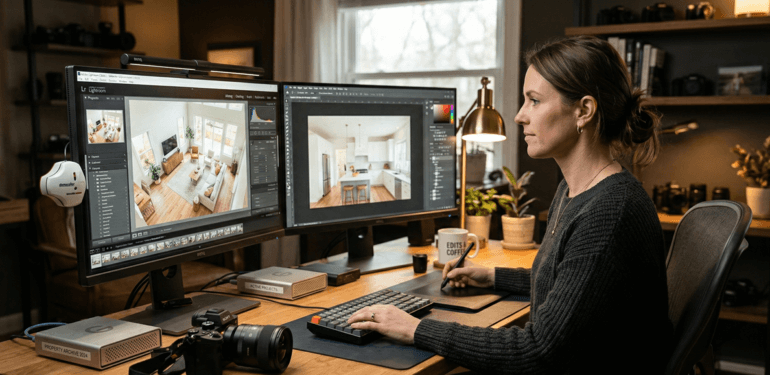
Post-production is where many real estate photo editing workflows quietly break down.
Bottlenecks usually form in the same places. High-volume shoots create repetitive tasks that demand focus, consistency, and time. The more manual the process, the more likely it is that a single busy week triggers a backlog that takes days to unwind.
For example, think about how the following routine editing tasks can become bottlenecks during high-volume periods:
- Sorting and culling large batches of similar shots, especially when bracketed exposures and duplicates must be compared
- HDR merging, window pulls, and exposure balancing that require careful judgment to avoid halos, color casts, and blown highlights
- Vertical correction and perspective control, particularly for wide-angle interiors, where distortion can ruin the feel of a room
- Color consistency across rooms with mixed lighting, where one off-white wall can shift between yellow, green, and gray
- Detail work like dust removal, lawn touch-ups, and sky replacement, which seems small but scales painfully with volume
- Quality control and revision cycles when agents request changes after delivery, forcing re-edits and resetting timelines
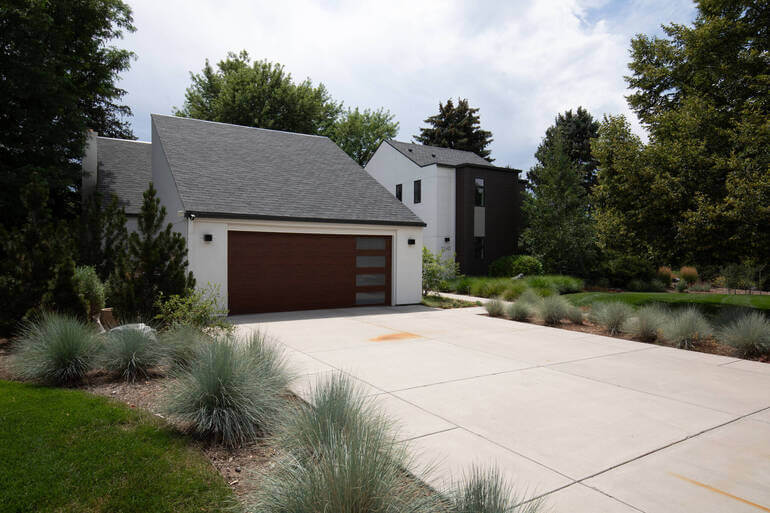
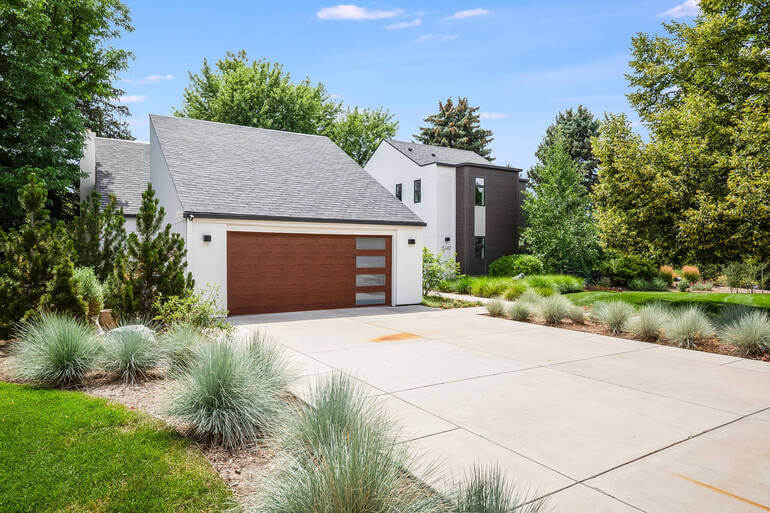
These bottlenecks are expensive in two ways: labor and opportunity costs. Labor costs rise as editors spend hours on tasks that don’t improve composition or storytelling, only technical polish.
Opportunity costs can be worse. Late photos delay the listing, shorten the initial marketing push, and reduce the speed at which a property reaches peak visibility.
The fix is rarely “work faster.” It’s building a workflow that limits manual repetition, standardizes outputs, and prevents revision loops.
The good news is that today, there exists easy-to-use technology that can help eliminate costly bottlenecks.
Let’s examine this technology more closely.
How AI Photo Editing Eliminates Costly Bottlenecks

According to All About AI, properties marketed with AI-driven tools experienced a 22% rise in sales, showcasing AI’s transformative impact on efficiency and growth.
Agents are constantly looking for ways to streamline their real estate business and listing timelines. Photo editing delays can lead them to switch to photographers who can deliver faster.
Today, AI photo editing tools and apps can reduce or even prevent post-production bottlenecks, making you more productive and keeping your clients happy.
Here are 7 ways AI photo editing can enhance post-production efficiency.
1. It Automates the Repetitive Fixes That Drain Hours ⏳
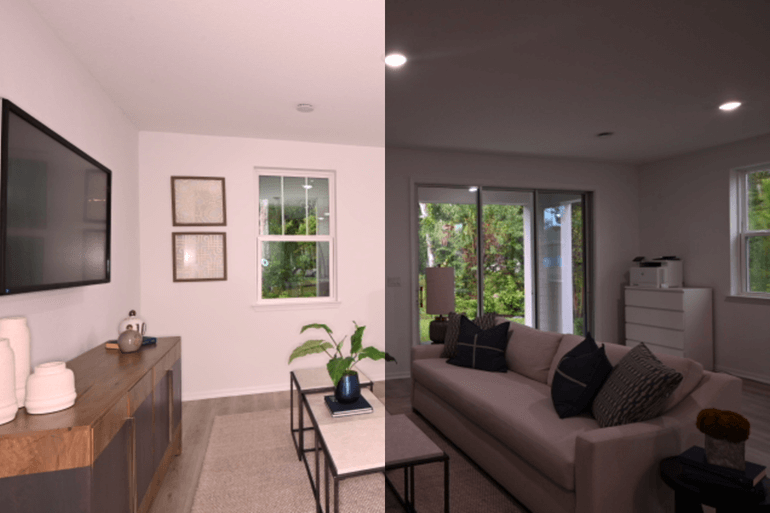
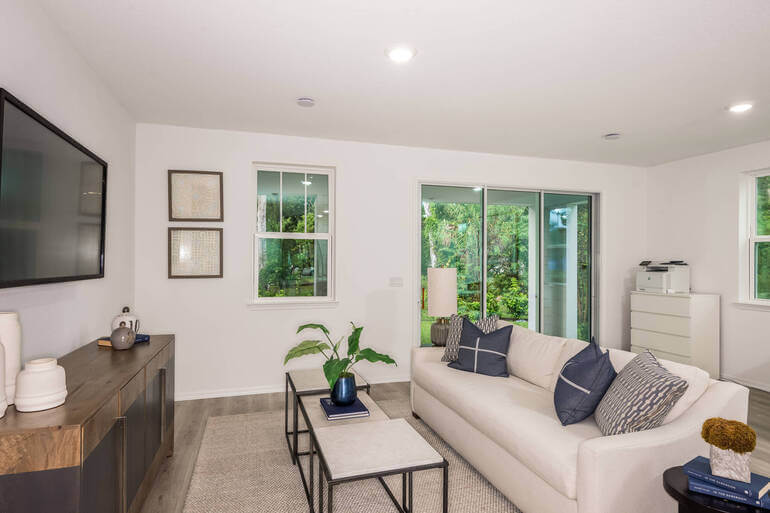
Most real estate photo editing time is consumed by predictable, technical chores. They are necessary, but they rarely add creative value.
AI tools remove the grind by handling batch corrections in seconds, then applying the same standards across a full shoot. According to recent studies, AI-powered image editing tools can reduce editing time by up to 90%.
The following are some of the ways AI photo editing speeds up the post-production phase:
- Batch exposure and contrast adjustments that keep interiors bright without washing out highlights
- Automated white balance normalization to reduce mixed lighting problems from room to room
- Noise reduction and sharpening that stays consistent across ISO ranges and camera bodies
- Preset-driven “house style” looks that maintain a dependable brand aesthetic
- One-click corrections for common issues like dull shadows, flat ceilings, and murky corners
When these tasks are automated, editors spend their time on selective refinement instead of endless repetition.
That reduces turnaround time and lowers per-listing labor costs without sacrificing quality.
2. AI Speeds Up Bracket Merging and HDR Blending Decisions ?
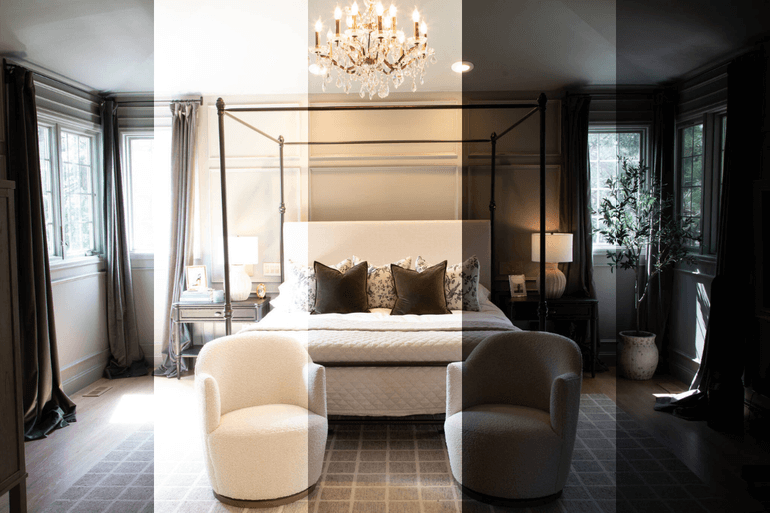
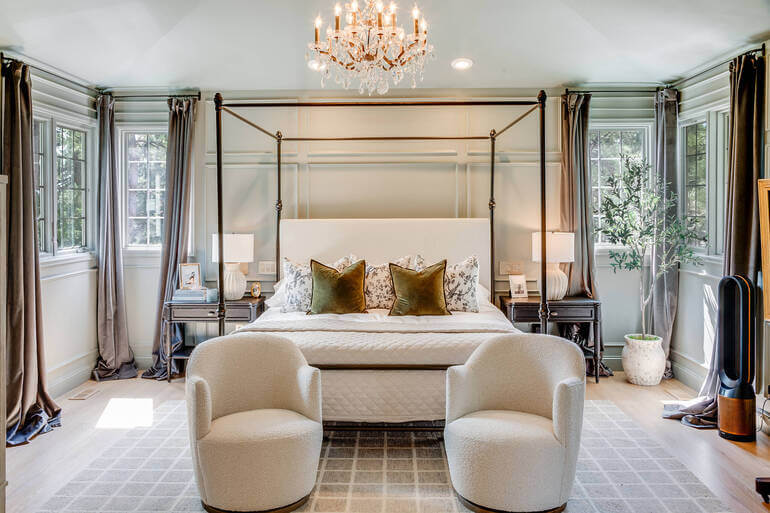
Bracketed sets can create stunning images, but they also create a time trap. Traditional HDR workflows require careful merging, tone control, and frequent rework when halos or unnatural contrast appear.
AI-assisted merging tools speed the process while producing a more natural result by learning how interiors are supposed to look.
- Faster exposure blending that protects windows while maintaining interior warmth
- Natural-looking dynamic range that avoids crunchy HDR textures and halo artifacts
- Smart tone mapping that keeps white walls clean rather than gray or muddy
- Automated alignment corrections for minor shifts between brackets
- Quicker iteration when a set needs a lighter, cleaner, or more dramatic finish
This is where AI photo editing quickly pays for itself. When bracket handling becomes faster and cleaner, large shoots stop creating multi-day backlogs.
For agents who seek to build their brand on efficient, fast sales, quick photo-editing turnaround is highly valued and will likely result in future work.
3. AI Photo Editing Fixes Perspective and Vertical Lines ||
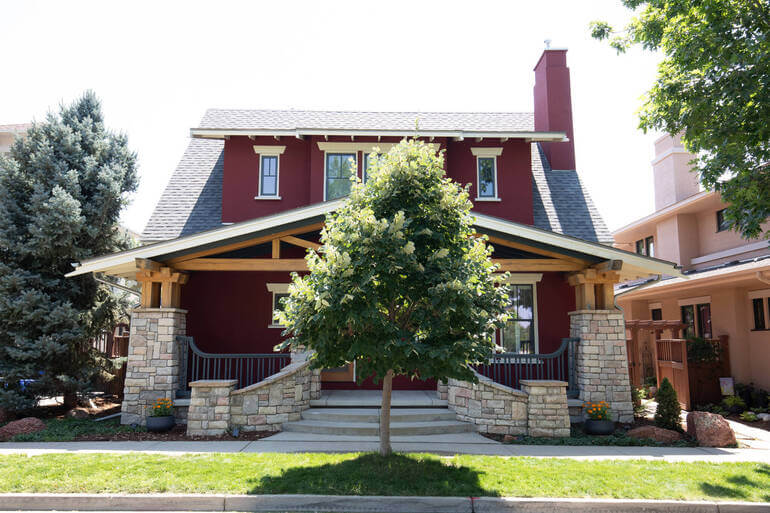
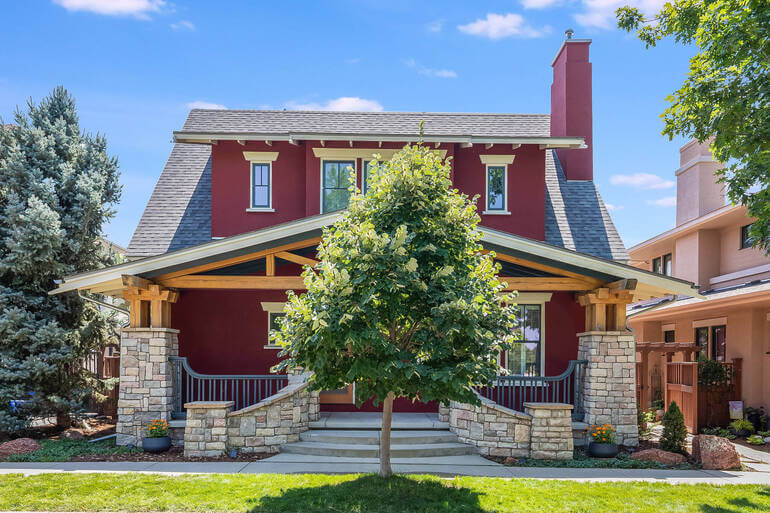
Perspective correction is one of the most important steps in real estate editing, and one of the most time-consuming when done manually.
AI photo editing can detect walls, corners, and vertical edges, then apply corrections that preserve the room’s proportions.
Consider the following time-saving advantage of AI photo editing’s line-straightening abilities:
- Auto-detection of verticals to reduce “falling walls” and leaning doorframes
- Scene-aware cropping that avoids cutting off fixtures and architectural details
- Faster lens distortion correction for wide-angle interiors and exteriors
- Consistent framing across rooms so a full set looks cohesive
- Less manual trial-and-error when correcting complex angles in kitchens and baths
When perspective correction becomes reliable and fast, editors spend less time wrestling with geometry and more time ensuring the photos support the listing story.
AgentUp for iOS
AI Real Estate Photo Editing
Try instant AI-powered photo editing with the AgentUp iOS Media App.

4. AI Photo Editing Standardizes Color Across Every Room ?
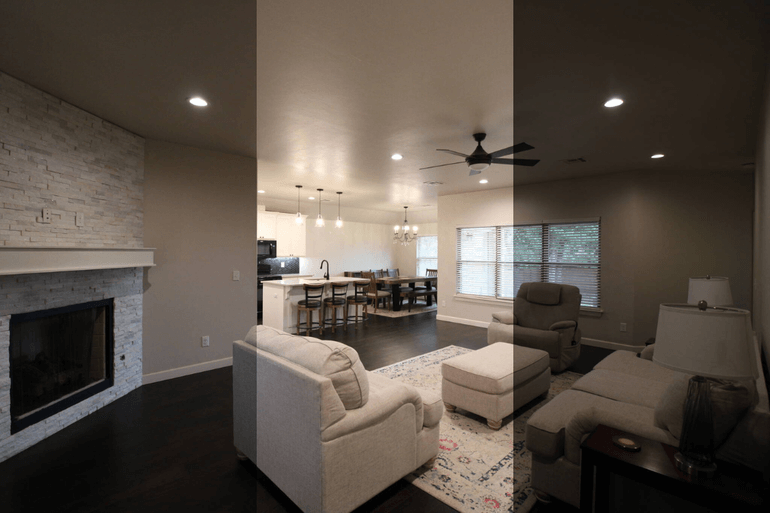

Mixed lighting is where editing slows down, and revisions multiply. A living room may be warm, a kitchen may lean green, and a bedroom may run cool, all in the same shoot.
AI-driven color tools can analyze the scene and normalize color across rooms while retaining realistic warmth and material textures.
Here are a few of the color standardization benefits of the technology:
- Automated color cast reduction from fluorescent, LED, and mixed bulb temperatures
- Improved wall neutrality so whites stay white, not yellow or green
- Better skin-tone and wood-tone handling in lifestyle shots and staged spaces
- Consistent saturation control that keeps greens, blues, and warm woods believable
- Less time spent chasing “why does this room look different” across the set
This matters because color inconsistency creates doubt among clients.
For many agents, fast sales driven by high-quality listing photos are their strategy for standing out in a slow, crowded market.
When an agent senses unevenness, they ask for re-edits. AI helps reduce those revision cycles by producing a clean baseline faster.
5. AI Photo Editing Cuts Revision Loops With Smarter First Drafts ↻
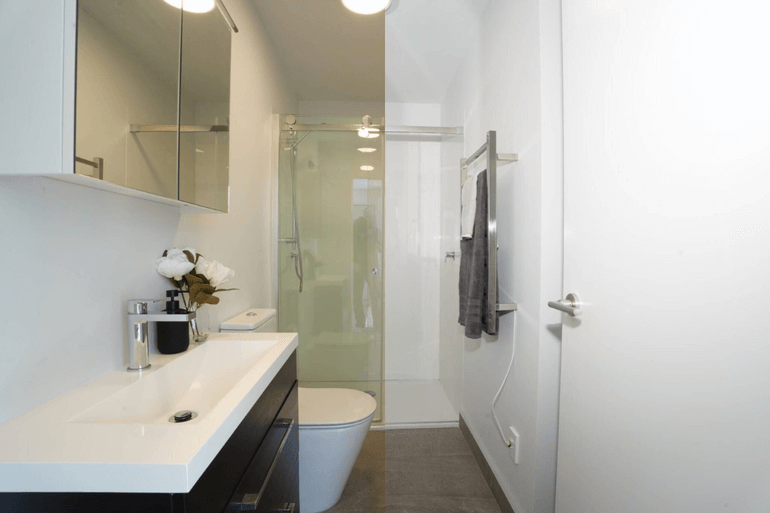
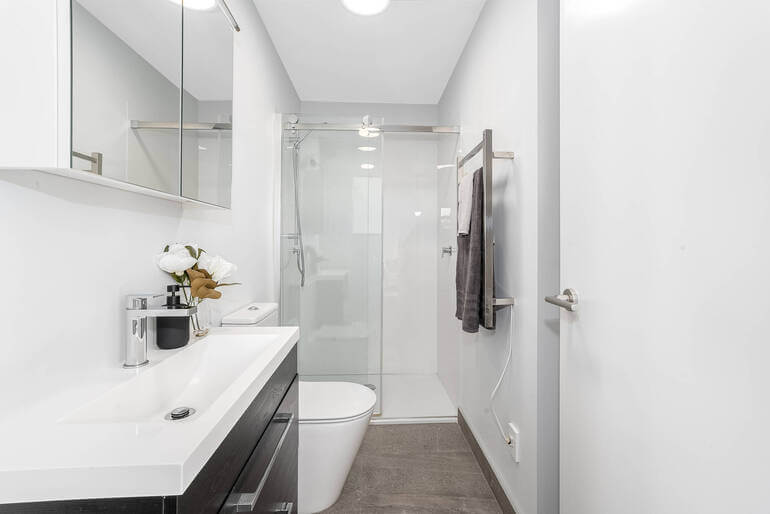
A huge share of post-production costs isn’t the first edit; it’s the second and third. Revisions occur when expectations are unclear, style varies across editors, or the initial delivery falls short of a client’s standards.
AI photo editing helps create more predictable first drafts that align with defined preferences, reducing back-and-forth and protecting your schedule.
Here’s how AI photo editing reduces revision requests:
- Style templates that lock in brightness, contrast, and warmth targets
- Automated QC checks that flag underexposed rooms or overly saturated exteriors
- Consistent outputs that reduce “this set feels different than last time” feedback
- Faster alternate versions when an agent wants a slightly brighter or cleaner look
- Better predictability for delivery windows, even during high-volume weeks
Less rework means fewer overtime hours, fewer apology emails, and more time to take on new shoots.
6. It Makes Object Removal and Image Cleanup Faster ?
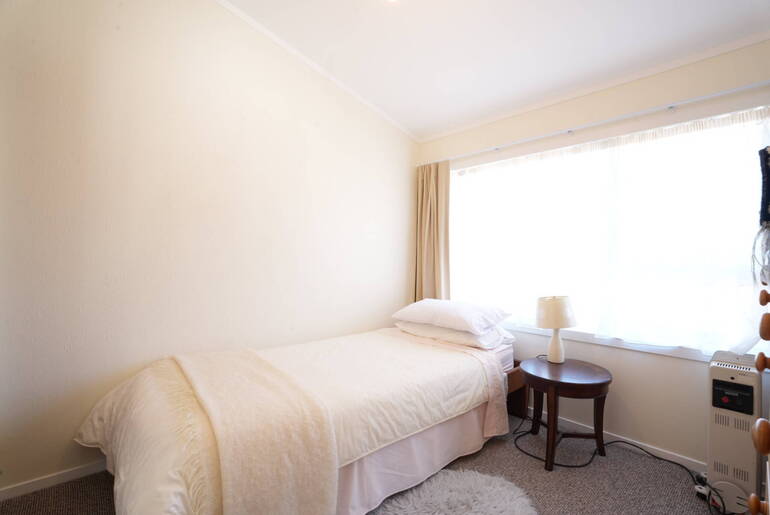

Small visual distractions are everywhere in real estate photos: cords, dust spots, minor lawn issues, glare, and clutter that slipped through staging.
Traditional retouching can be slow, especially when applied to a set of 30- 50 images.
AI-assisted cleanup tools make these tasks dramatically faster and reduce the mental fatigue that leads to mistakes in the following ways:
- Quick removal of small objects like cords, outlets, wall marks, and stray items
- Faster spot removal for sensor dust, mirror smudges, and window streaks
- Simplified lawn and sky enhancements that scale across exterior sequences
- Better “inpainting” for minor clutter without destroying textures
- Less time spent zoomed in at 200% doing tedious fixes
Cleanup is often the silent budget killer. AI turns it into a manageable step rather than a productivity sink.
7. AI Photo Editing Improves Turnaround, Which Protects Revenue ?
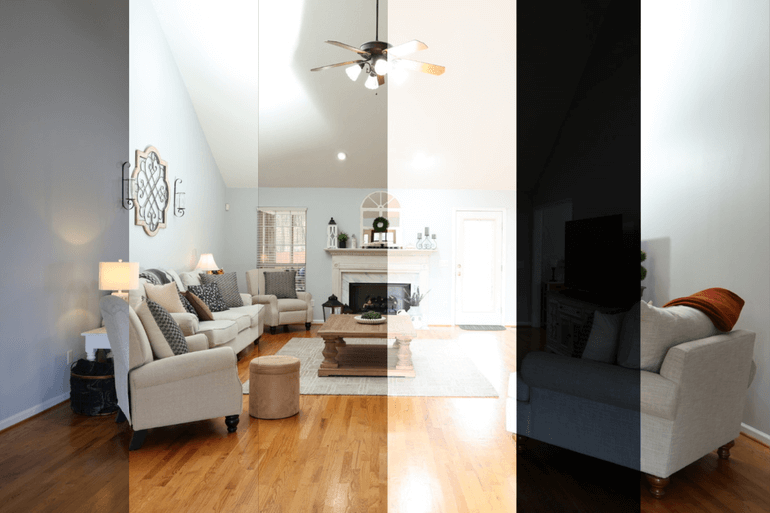

The most expensive bottleneck is the one that delays the listing. When photos arrive late, agents miss optimal launch windows, sellers lose confidence, and marketing momentum weakens.
AI photo editing shortens delivery cycles, preserving listing value and improving client retention by offering the following benefits:
- Faster time from shoot to delivery, especially when batches are processed together
- More predictable scheduling that reduces stress during peak seasons
- Increased capacity to handle more listings without hiring immediately
- Better client satisfaction through consistent style and dependable timelines
- Stronger business cash flow as projects close faster and invoices go out sooner
Speed is not just convenience; it is a competitive advantage. When you eliminate bottlenecks, you stop paying the hidden tax of delays.
For these reasons, AI real estate photo editing is a digital marketing trend that will continue to spread across the industry and become a mainstay.
In fact, by offering so many advantages, it raises the question of where to find the best AI real estate photo editing service or app.
Allow us to suggest one of the industry leaders preferred by top-producing photographers and agents.
Industry Leading
Media & Marketing For Agents
AgentUp is the all-in-one marketing tool for top agents.
Leverage Outstanding AI Photo Editing With AgentUp
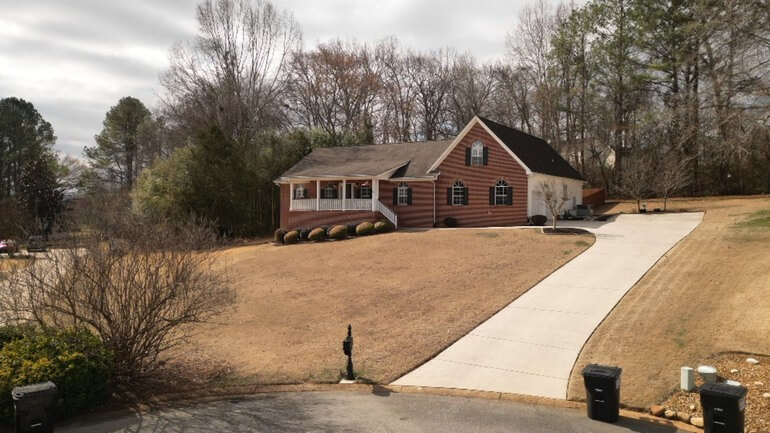
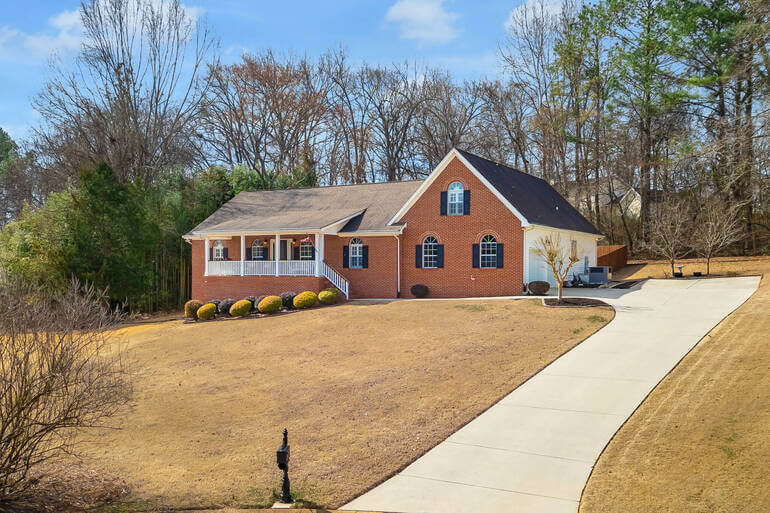
AgentUp AI photo editing is optimized for speed and ease of use, making it an excellent choice for real estate photographers seeking fast turnarounds.
Discover why so many photographers and agents appreciate the benefits of this easy-to-use tool:
- AI produces uniform edits across all images, maintaining a consistent look for listing photos
- AI photo editing completes post-production tasks in minutes
- Similar images can be batch-processed
- AgentUp’s app offers you a free sky replacement
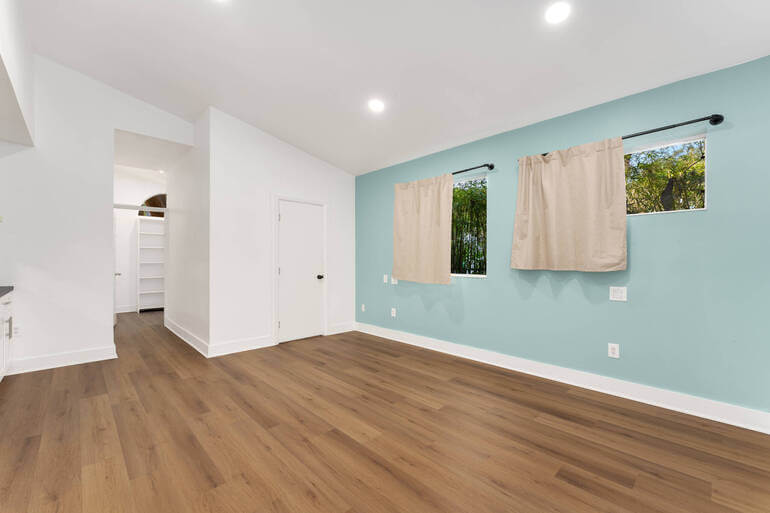
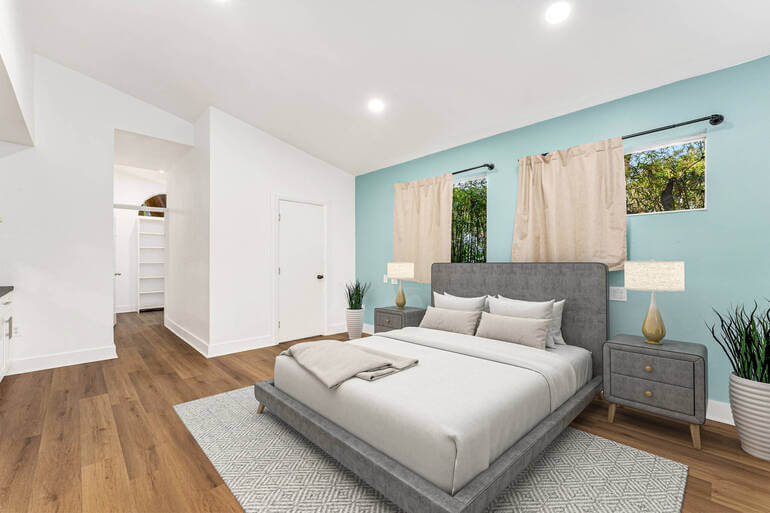
- You also gain access to AI virtual staging featuring 5 popular design styles
- Lastly, you can always request Pro Edits in the app for manual retouching
Want to try our groundbreaking AI photo editing? Simply scan the QR code below to download the app:

Affordable Real Estate Marketing
AgentUp also offers innovative, affordable digital marketing tools that promote listings at their best and help agents earn referrals, including:
Whether you’re an agent looking for marketing support or a real estate photographer seeking to optimize your workflow, AgentUp has something to offer.
Sign up for a free AgentUp account today and see how we can support your success.
Thanks for taking the time to read this post. We hope it showed you how to eliminate costly post-production bottlenecks with AI photo editing.