


When a buyer scrolls past a listing in under two seconds, the photos are doing all the talking. A shot with blown-out windows next to a dark, flat room loses that attention fast, and it usually doesn’t come back.
That’s the gap real estate HDR photo editing services close. AI now blends multiple exposures into one balanced shot in seconds.
For agents, that shift matters more than it sounds. Photos are still the first thing buyers judge a listing on, and 81% of buyers rate photos as the most useful feature during their online search, according to NAR.1 Getting exposure right isn’t a nice-to-have; it’s what gets a listing a second look.
Why Do So Many Listing Photos Look Off?
Most listing photos look off because a single exposure can’t handle a room with both bright windows and darker interior space. Set the exposure for the window view, and the room goes dark. Set it for the room, and the windows blow out to white.
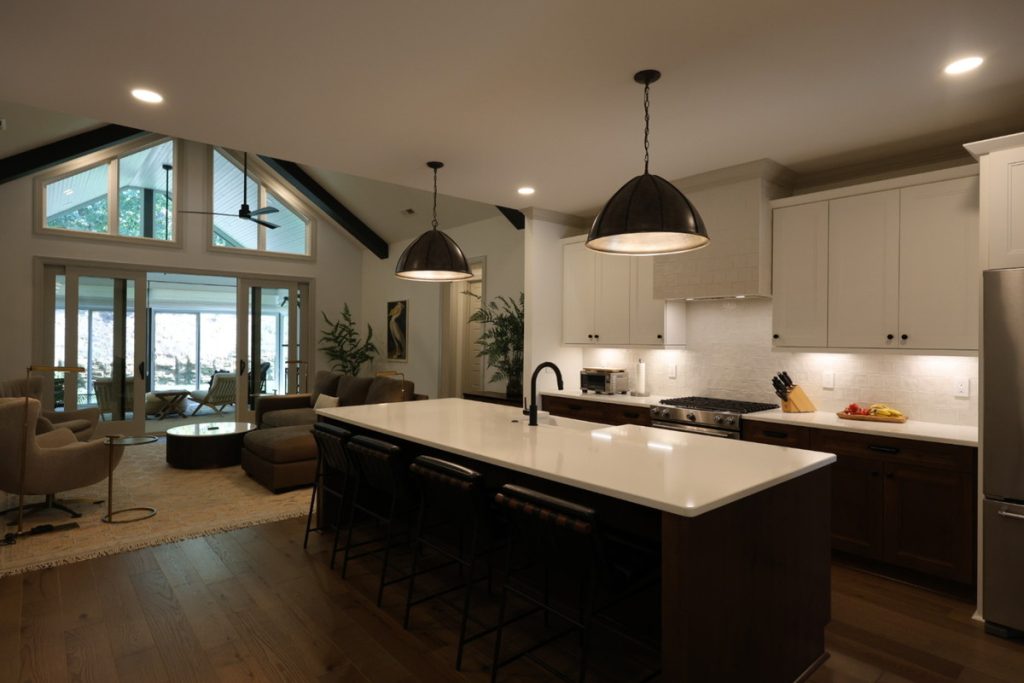
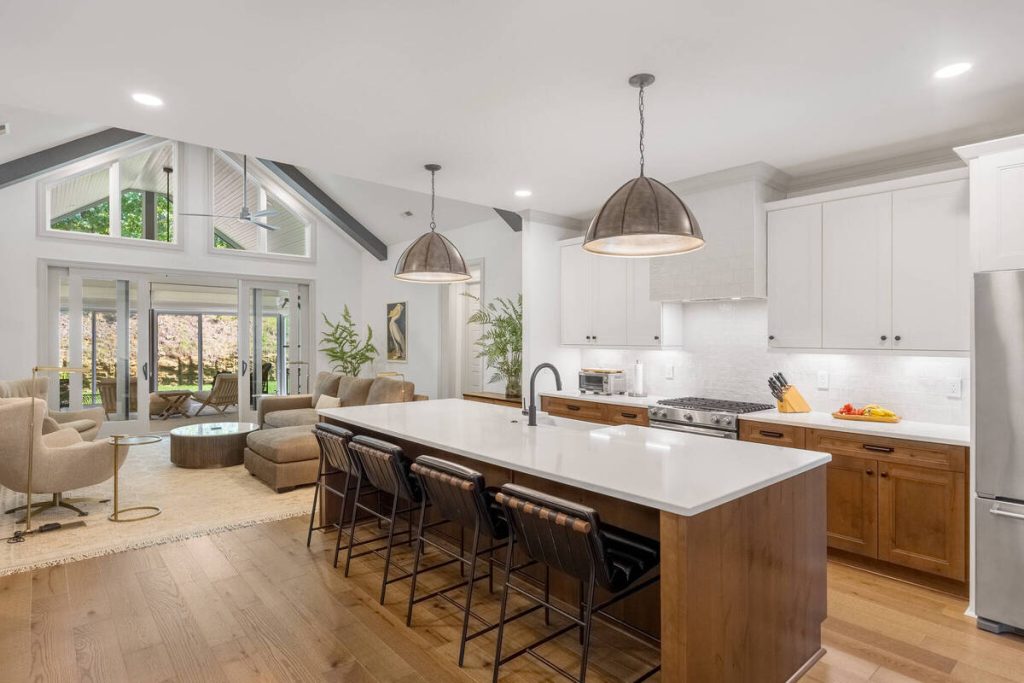
This is especially common in listings shot quickly on a phone or a camera set to auto. The photographer gets one exposure per shot, and the camera has to pick a compromise that usually satisfies neither the window nor the room.
The result is photos that don’t represent the property well. A bright, well-lit living room can look dim and uninviting, or a nice view out the window disappears into a white blur. Either way, the listing presentation suffers before a buyer even books a showing.
What Does HDR Photo Editing Actually Do?
HDR photo editing combines several exposures of the same shot into one balanced image. Instead of picking between a properly exposed window or a properly exposed room, the editing process pulls the best detail from each exposure and blends them together.
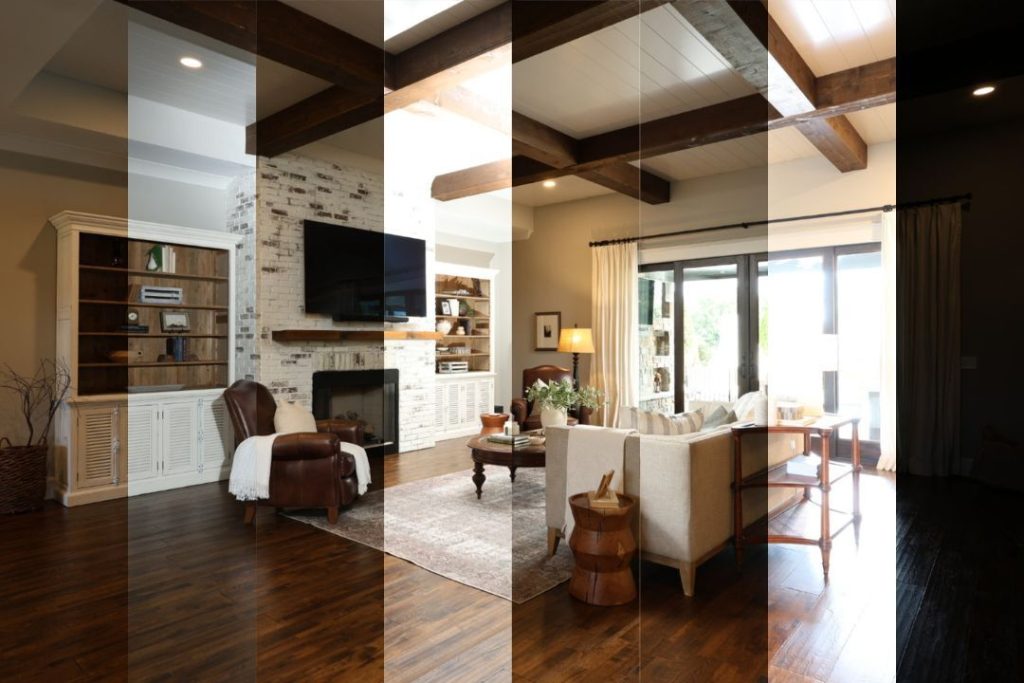
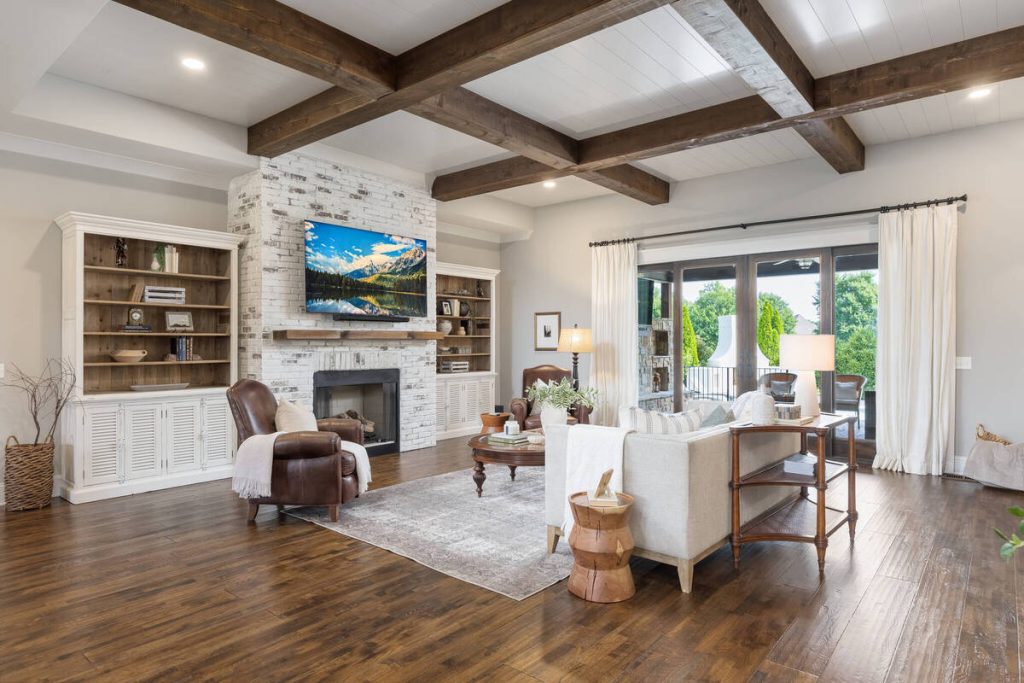
The photographer takes a bracketed series, typically three to five shots at different exposure levels, without moving the camera. An editor (or now, an AI model) merges that series into a single photo where the windows show the outdoor view and the room still reads bright and true to color.
Done well, HDR editing doesn’t look edited at all. It just looks like a room that was lit properly to begin with, which is the whole point.
How Does AI Speed Up Real Estate HDR Photo Editing Services?
AI speeds up HDR editing by handling the exposure blend automatically instead of an editor doing it shot by shot. What used to take a trained editor several minutes per image now happens in seconds, with the software recognizing window areas, skin tones, and interior lighting and adjusting each one differently within the same frame.
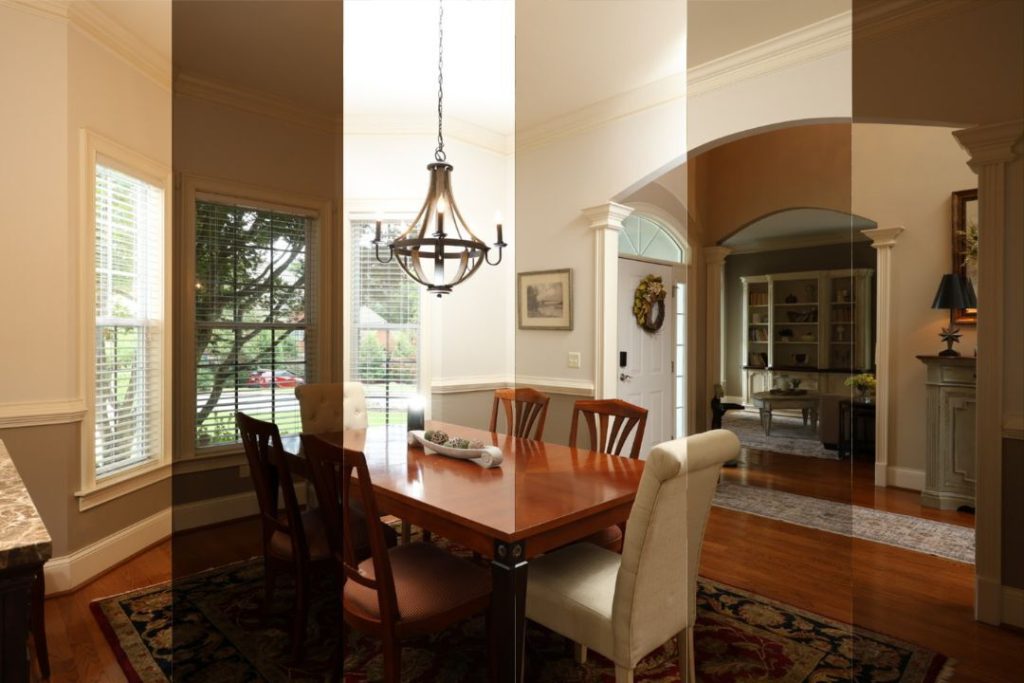
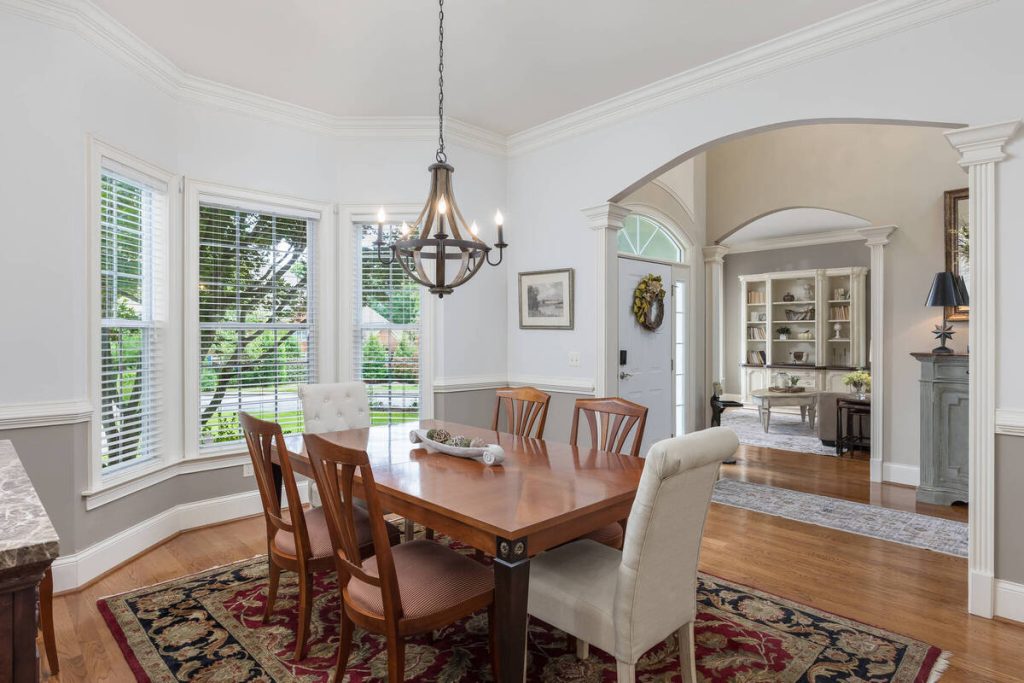
That turnaround difference adds up fast during a listing launch. A full shoot might run 25 to 40 photos, and batch-processing all of them through AI means a photographer or agent can have edited images back the same day, often within minutes of the shoot ending.
Human editors still have a role in real estate HDR photo editing services, particularly for tricky lighting or final quality checks. But with AI handling the first pass, agents get faster turnaround and a more predictable workflow when photos need to go live before a weekend open house.
More Clicks. More Showings.
Get Market-Ready Listing Photos Fast
Transform your listing photos in seconds and attract more buyers from the first click.

What Are the Business Benefits of AI HDR Editing for Agents?
Faster, more consistent HDR editing shows up in a few measurable ways:
- Listings with HDR photography attract 118% more online views than those shot with standard exposure, per HomeJab’s comparison data.2
- The same HDR listings sell roughly 50% faster than comparable listings with flat, single-exposure photos.2
- Professionally photographed homes sell about three weeks faster and for $3,400 to $11,200 more relative to list price, according to Redfin’s analysis of listing photo quality.3
- AI-assisted editing is generally more affordable than paying an editor for manual, exposure-by-exposure HDR work, which matters when a shoot produces dozens of images.
None of this requires a bigger marketing budget. It requires photos that actually show the property the way a buyer would see it in person.
What Listing Photo Mistakes Does AI HDR Editing Fix?
AI HDR editing fixes the exposure problems that show up most often in agent-submitted listing photos: blown-out windows, dark interiors, and inconsistent color from room to room.4
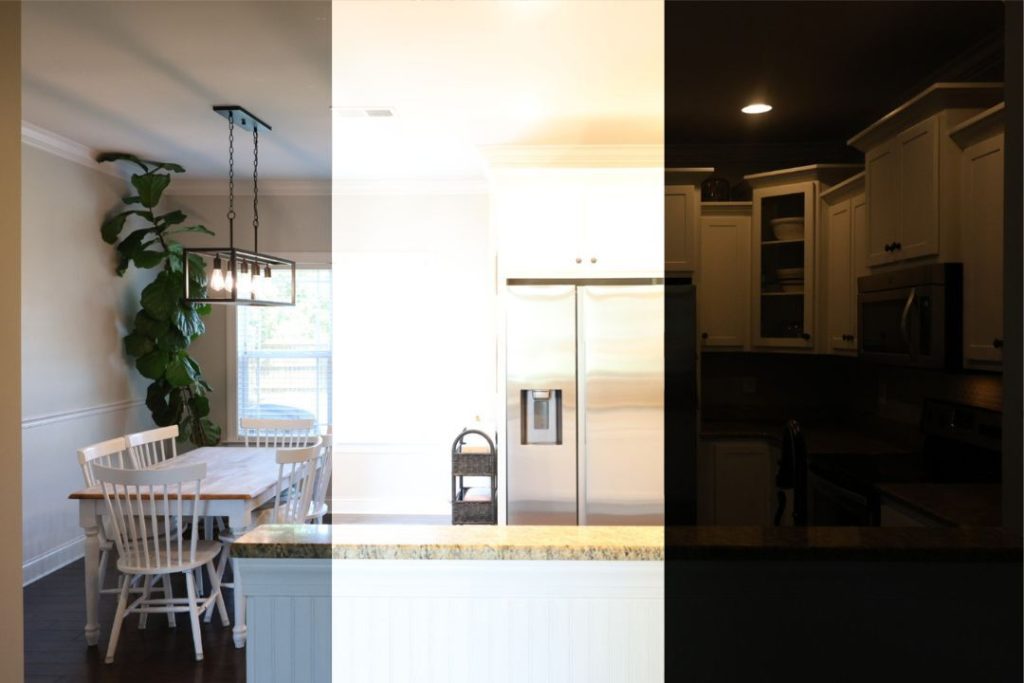
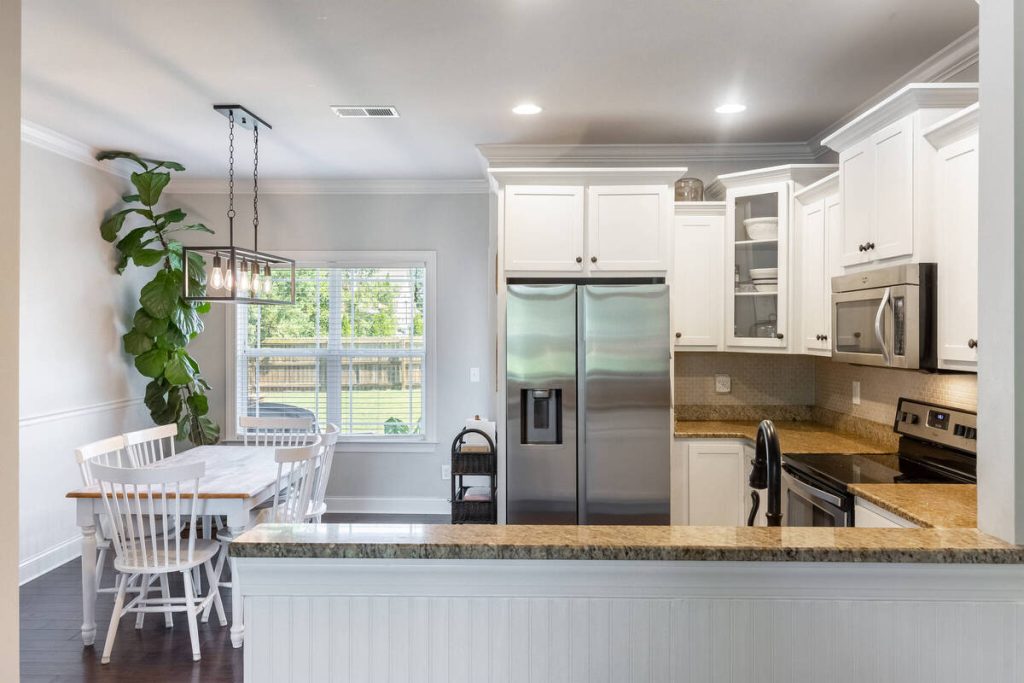
Overexposed windows are one of the most common problems real estate HDR photo editing services fix. When a window blows out to pure white, buyers lose a selling point, whether it’s a yard, skyline, or natural light. HDR blending restores detail in the window without darkening the rest of the room.
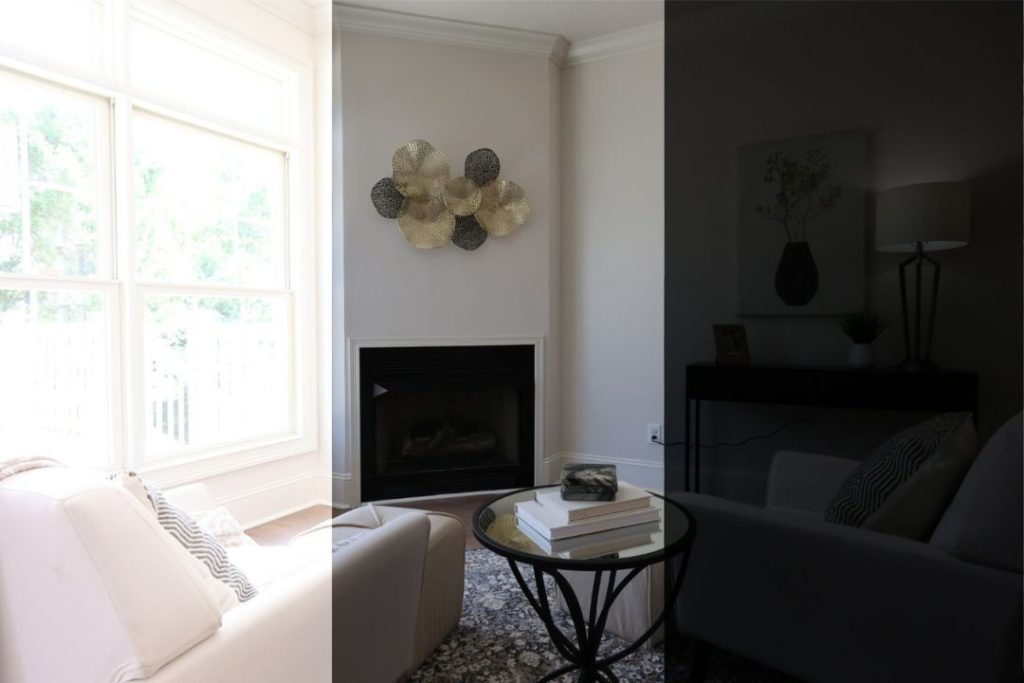
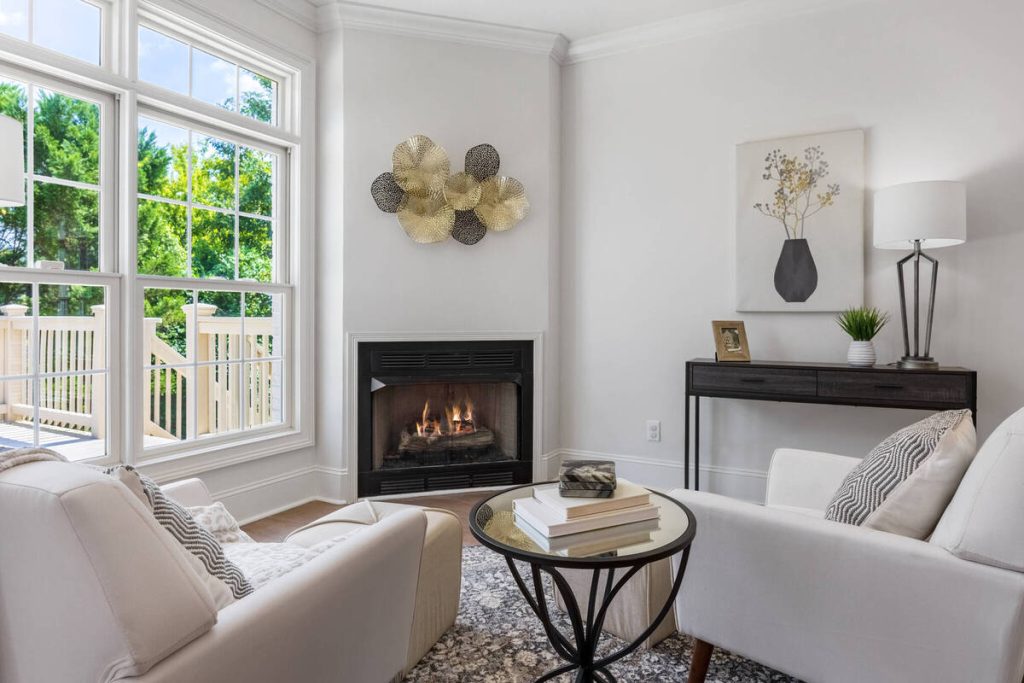
Underexposed interiors cause the opposite problem. Rooms that read dark or muddy make a space feel smaller and less cared for than it is, and balanced exposure brightens the interior without blowing out anything near a light source or window.
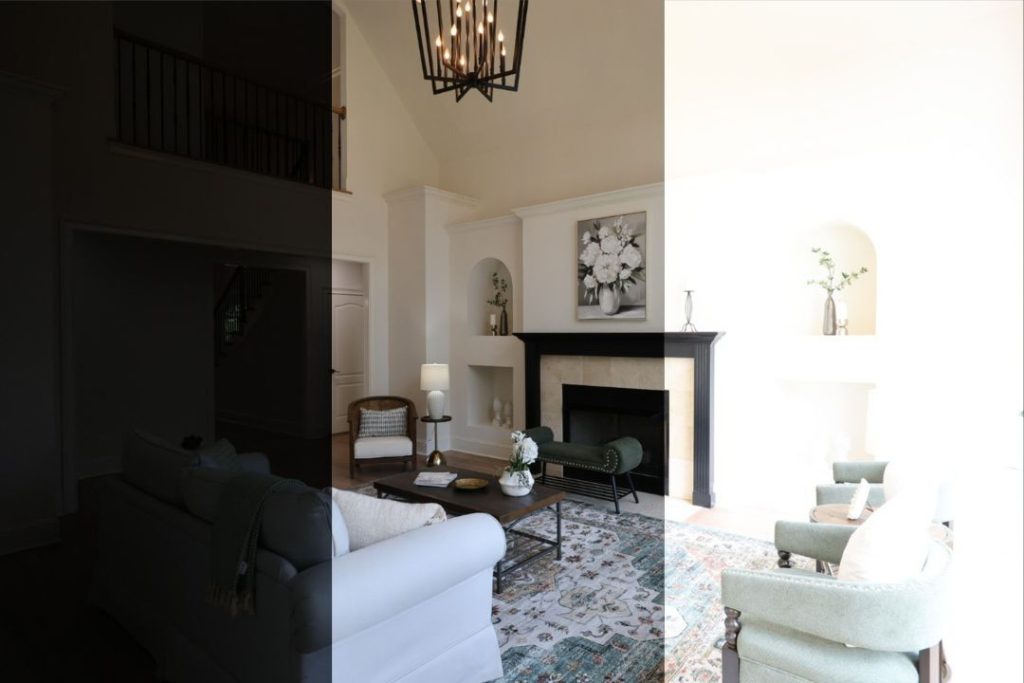
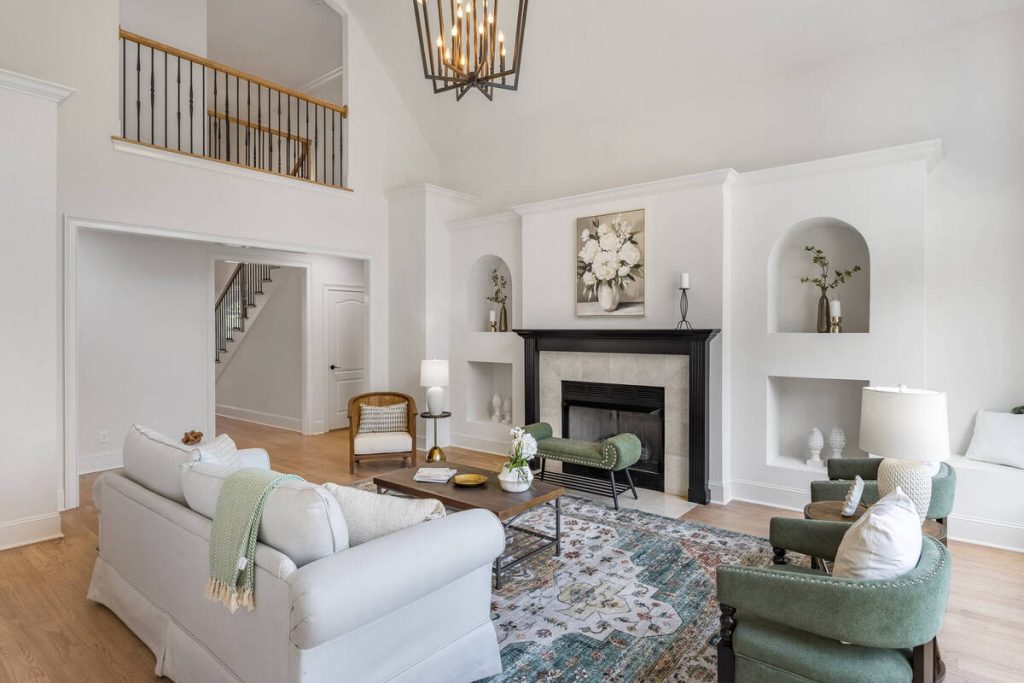
Inconsistent white balance is subtler but just as noticeable. Mixed lighting, daylight through a window plus indoor lamps, often leaves a yellow or blue color cast in a photo. AI editing corrects color consistently across a full shoot, so a buyer scrolling through the gallery sees one cohesive property instead of ten rooms that look shot on ten different days.
How Do You Choose a Real Estate HDR Photo Editing Service?
Choosing real estate HDR photo editing services comes down to turnaround time, pricing, and how much control you keep over the final images. Check these before you commit to one:
- Turnaround time: ask whether AI editing happens in minutes or if you’re waiting on a queue. Same-day delivery matters most around new listings and open houses.
- Per-image pricing: confirm whether pricing is per image or per shoot, and whether add-ons like virtual staging or object removal cost extra.
- Batch and mobile upload: a service that lets you upload straight from your phone cuts out an extra step between the shoot and a live listing.
- Before-and-after samples: look at real examples on similar properties, not just marketing images, to judge how natural the editing looks.
- Accuracy over alterations: good HDR editing corrects exposure and color. It shouldn’t change fixtures, add features that aren’t there, or misrepresent the space, especially with more states now requiring disclosure of digitally altered listing photos.
AI adoption among agents keeps climbing too. Roughly two-thirds of REALTORS now use AI tools in some part of their business, per NAR’s latest technology survey, and photo editing is one of the more practical places to start.5
How Does AgentUp Handle HDR Photo Editing for Agents?
AgentUp’s AI photo editing handles HDR blending automatically, with most images processed in about five seconds through the web app or the iOS app. Pricing starts at $0.75 per enhanced image, with no minimum order size, so a single listing or a full shoot both work.
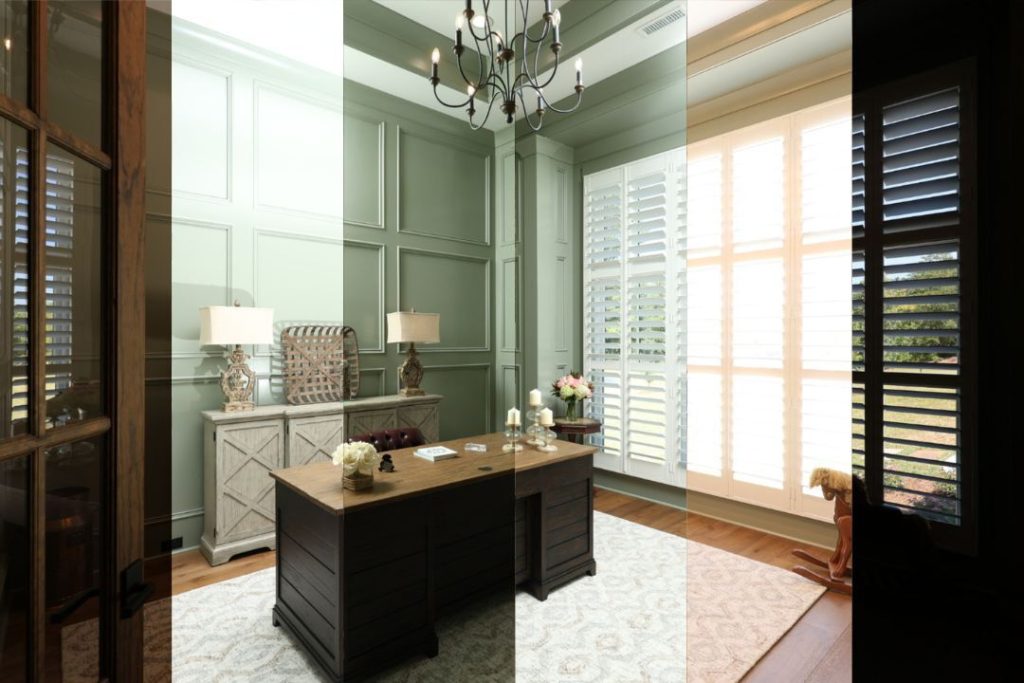
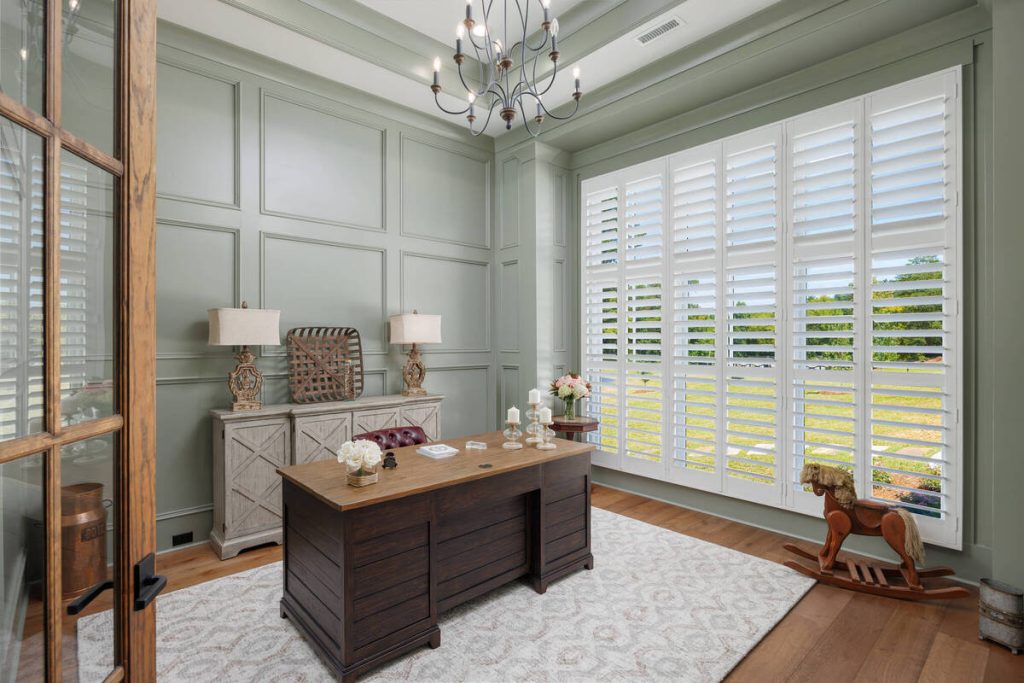
Beyond exposure correction, the same tool handles object removal, yard cleanup, and AI virtual staging for vacant rooms, all from one upload. That keeps a listing’s entire photo workflow, from raw shots to market-ready images, in a single place instead of juggling separate editors or software.
If tricky lighting is a recurring issue on your shoots, this breakdown covers how AI handles mixed light sources and deep shadows in the same room.
More Clicks. More Showings.
Get Market-Ready Listing Photos Fast
Transform your listing photos in seconds and attract more buyers from the first click.
Get Market-Ready Photos Without the Wait
Better exposure is the difference between a listing that gets scrolled past and one that gets a showing booked. Try AgentUp’s photo editing on your next shoot and see how your listing photos turn out with balanced light in every room.
References:
- How to Maximize Online Visibility for Every Listing
- HDR vs Standard Photography for Real Estate Listings
- Homes Listed with Professional Real Estate Photos Sell Quicker and For More Money
- 45 Bad Real Estate Photos Agents Actually Posted (+ How to Fix Them)
- REALTORS® Embrace AI, Digital Tools to Enhance Client Service, NAR Survey Finds