


AI-edited photos are becoming common in real estate listings, and MLS boards are watching more closely for gaps between the photos and the property itself. In 2026, that scrutiny turned into new rules for agents and photographers.
Real estate image editing has moved from optional polish to a compliance question.
MLS boards and California’s new AB 723 law are drawing clearer lines around what can be edited, what needs a label, and what has to stay available in its original form. Here’s where those rules come from and how to keep your listings compliant without slowing down your marketing.
Why Real Estate Image Editing Is Getting More Scrutiny
AI tools have made photo edits fast and cheap. According to industry survey data, 68% of agents now use AI somewhere in their business, and 39% use it specifically for image editing.1


That kind of volume is exactly why MLS boards and lawmakers are stepping in. When an edited photo looks real enough that a buyer can’t tell it was changed, the issue stops being a marketing choice. It becomes a disclosure problem.
What Counts as a Violation Under MLS Rules
Most MLS boards enforce some version of the National Association of Realtors’ Article 12, often called the “true picture” standard. It requires that marketing represent a listing accurately, no matter what tool was used to edit it.
As Edward Zorn, CRMLS vice president and general counsel, put it in a recent HousingWire report on AI staging, the true picture standard applies “whether you use a telephoto lens, Photoshop, or AI staging.”2 The tool doesn’t matter. The accuracy of the result does.

Zorn’s examples make the stakes concrete. One seller digitally added a fireplace that didn’t exist, and the buyer later filed a claim over a $25,000 to $30,000 chimney repair. Another listing showed exterior lighting that wasn’t installed, costing the buyer $5,000 to $6,000 to add after closing.
That distinction matters as much as the rule itself. MLSs describe themselves as broker cooperatives, not marketing platforms. Their job is accurate data for every agent working a deal, not just an attractive photo for one seller.
California’s AB 723 and What It Signals for Other States
California’s AB 723 took effect January 1, 2026, and it’s the first state law written specifically around digitally altered real estate photos. Per SDMLS’s breakdown of the requirements, a “digitally altered image” is one modified to add, remove, or materially change physical features.3 That covers virtual staging, added or removed furniture, and changes to walls, flooring, or landscaping.
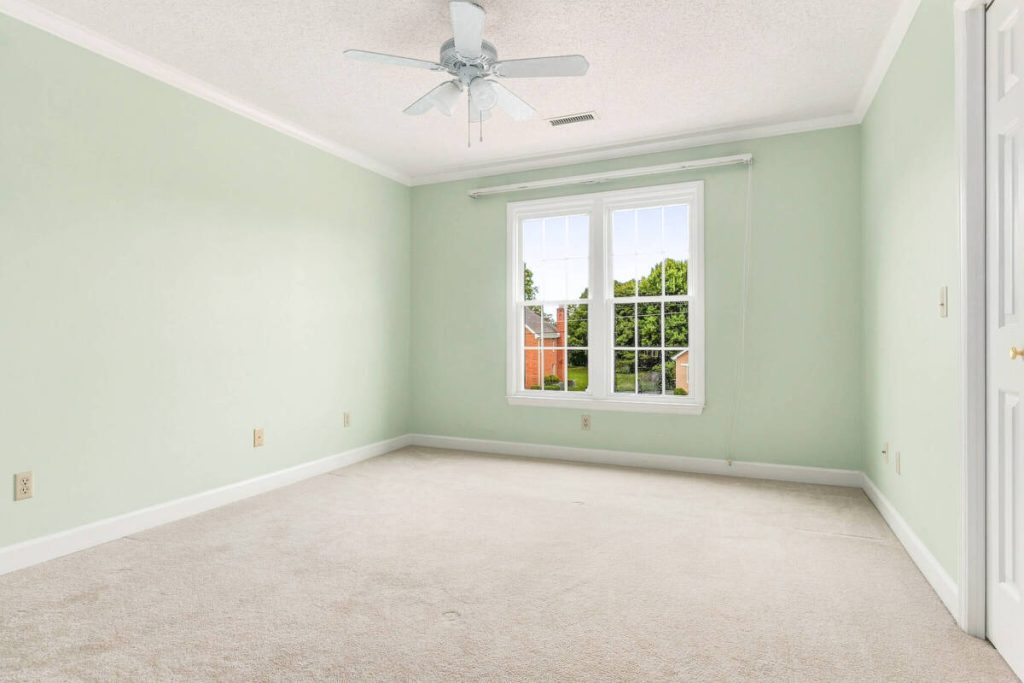



Basic real estate image editing enhancements are exempt. Brightness, exposure, color correction, cropping, straightening, and noise reduction don’t count as alterations under the law.
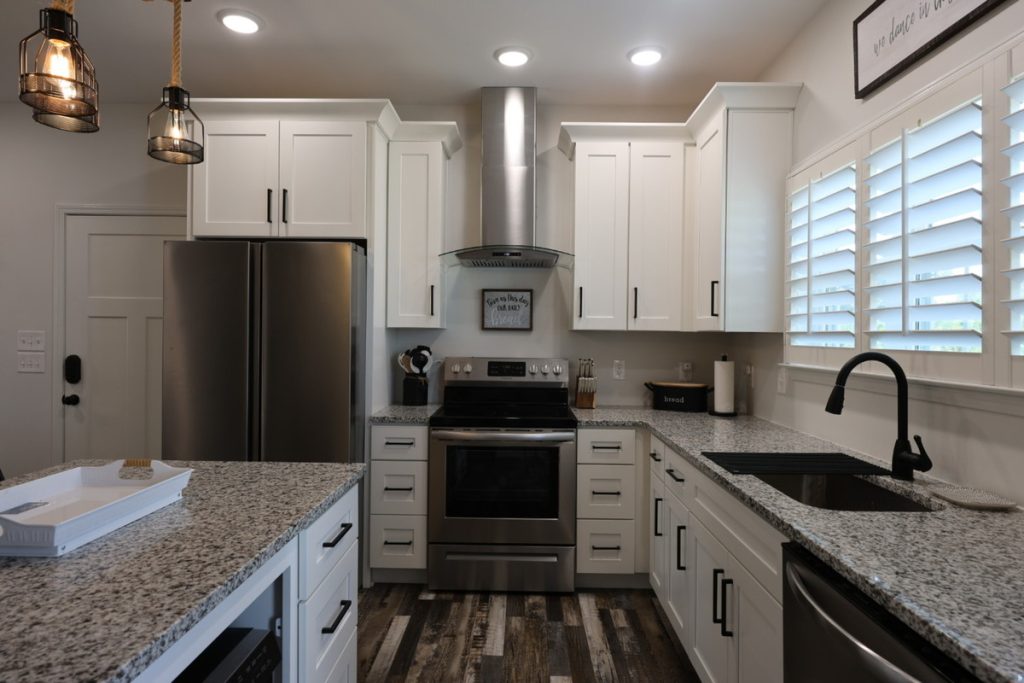

Where AB 723 goes further than most existing MLS rules is in its two-part disclosure requirement. Altered images need to be clearly labeled as digitally altered, and the unaltered original has to be available alongside it, whether that’s directly in the listing, through a link, or via a QR code. The requirement applies across MLS listings, IDX feeds, social media, and print.
California is first, but it’s unlikely to be last. Agents outside California should treat AB 723 as a preview of where MLS enforcement is headed generally, not a rule that only applies west of the Sierra Nevada.
How MLS Rules on Virtual Staging Differ by Board
There’s no single national standard for how virtual staging gets disclosed. Individual MLS boards set their own specifics, and they don’t all match.
A few examples, based on RoomLift’s MLS compliance guide:4
- Bright MLS, covering the Mid-Atlantic, requires clear labeling plus access to the original photos.
- CRMLS in California requires identifying altered images and keeping original versions on file.
- Stellar MLS in Florida requires a disclaimer and prohibits any edit that misrepresents a property’s actual condition.
- MLS PIN in New England asks for captions and recommends including unedited versions.
The specifics vary, but the common thread doesn’t: label the edit, keep the original, and don’t touch anything that changes what a buyer will actually find when they walk through the door.
More Clicks. More Showings.
Get Market-Ready Listing Photos Fast
Transform your listing photos in seconds and attract more buyers from the first click.

What Happens if You Don’t Comply
Consequences run from a warning to real cost. RoomLift’s guide notes MLS enforcement can include listing suspension, fines in the $500 to $5,000 range, loss of MLS access, and potential legal liability if a buyer can show they relied on a misleading photo.
How to Keep Listing Photos Compliant
A working checklist, based on the rules above:
- Label every staged or digitally altered photo, either on the image itself or in the listing description.
- Keep the original, unedited photo on file and easy to share. The Close recommends showing both the original and the staged version side by side for full transparency.5
- Leave permanent features alone. Walls, flooring, cabinetry, fixtures, and landscaping shouldn’t change under something labeled as an “enhancement.”
- Confirm your specific MLS’s rules before publishing. What’s fine in one market can be a violation in the next one over.
Where AI Editing Still Helps, When Done Right
None of this makes AI-powered real estate image editing the problem. Basic enhancements aren’t restricted anywhere, and properly labeled virtual staging still performs well for sellers.
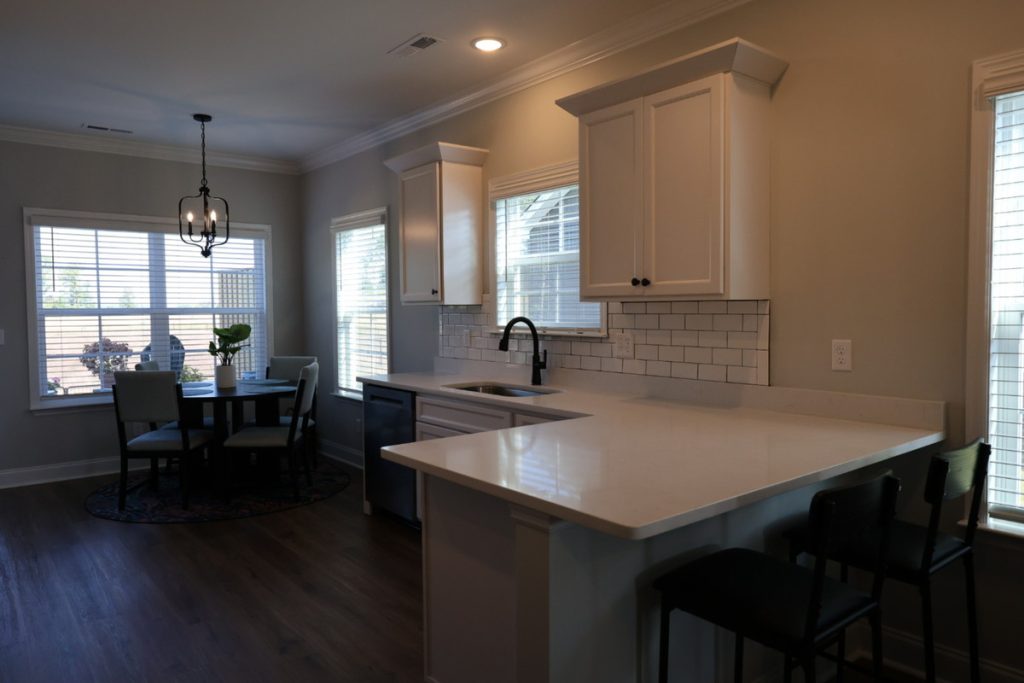
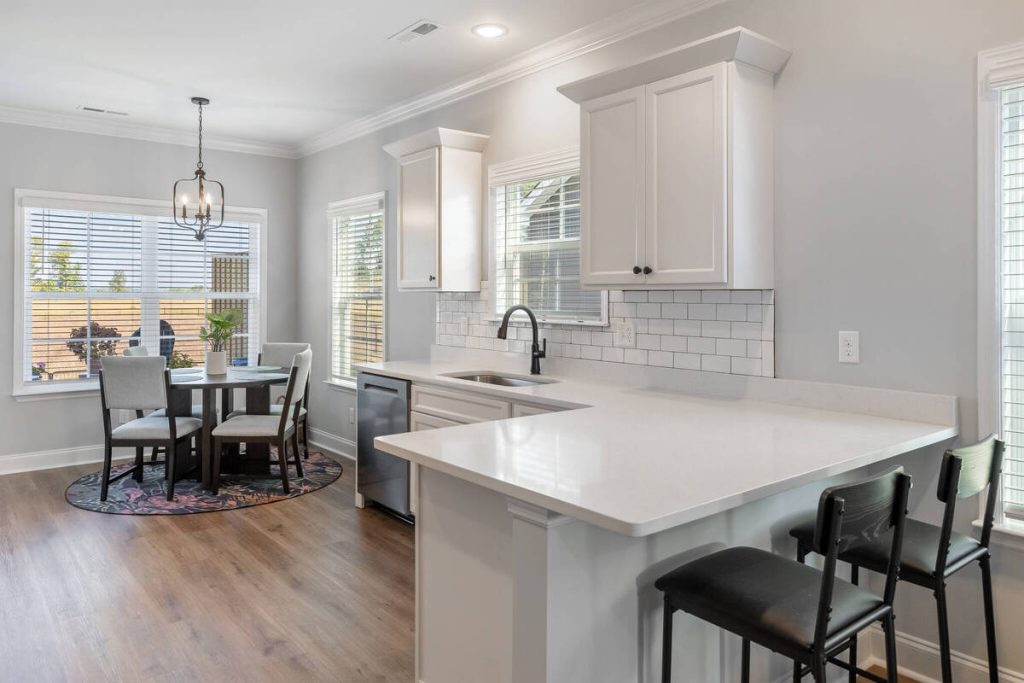
The numbers back that up. Staged listings get 40% more online views and 31% more buyer inquiries, and they sell in roughly 24 days instead of 90, according to the same real estate photo statistics roundup cited earlier.6 Professional photography overall adds $3,400 to $11,200 to the sale price and speeds up the timeline by about a month.
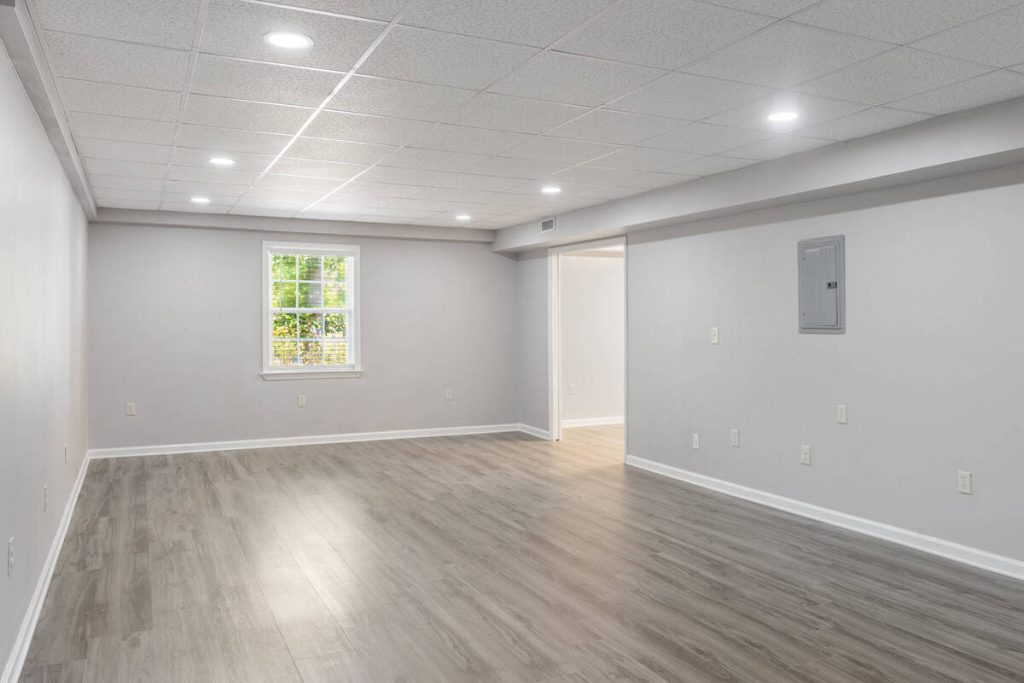



Those gains hold up specifically when the staging is disclosed the right way. A compliant photo keeps the upside without the liability sitting underneath it.
Building a Compliant Editing Workflow
Staying compliant doesn’t mean slowing down your marketing. It means building a workflow where keeping the original file is a default step, not an afterthought you remember after a complaint.
That’s the gap AgentUp’s AI-powered photo editing is built to close. Edits are fast and affordable, and because the original upload stays on hand, labeling and disclosing an edited photo doesn’t add extra steps to your process. It’s built into how the workflow already runs.
More Clicks. More Showings.
Get Market-Ready Listing Photos Fast
Transform your listing photos in seconds and attract more buyers from the first click.
If your listings are ready for market, pairing compliant photos with an AgentUp single property website gives buyers a clean, accurate place to see them, originals included where it matters.
Real estate image editing rules aren’t going away, and more states will likely follow California’s lead. Agents and photographers who build disclosure into their workflow now won’t be scrambling to catch up later. See how AgentUp handles listing photo edits and keep your workflow ahead of the rules instead of behind them.
References:
- 90+ Real Estate Photo Statistics & Trends Every Agent Should Know in 2026
- When listings lie: AI staging pushes real estate into an ethics gray zone
- AB 723: Digitally Altered Images – SDMLS Requirements
- Is Virtual Staging Legal? Disclosure Rules, MLS Compliance & Best Practices
- The 6 Best Virtual Staging Software & Virtual Staging Guide in 2026
- 90+ Real Estate Photo Statistics & Trends Every Agent Should Know in 2026