


AI virtual staging is transforming how sellers and agents prepare homes for the market.
Instead of paying for expensive furniture rentals, storage fees, and full-service staging, AI can create beautifully staged listing photos at a fraction of the cost.
This post will discuss how AI virtual staging can reduce expenses by more than 90 percent while still highlighting the property’s potential and best features, making it appealing to buyers.
We’re going to start by reminding ourselves what staging is and why it’s part of real estate sales.
What Is Staging in Real Estate?
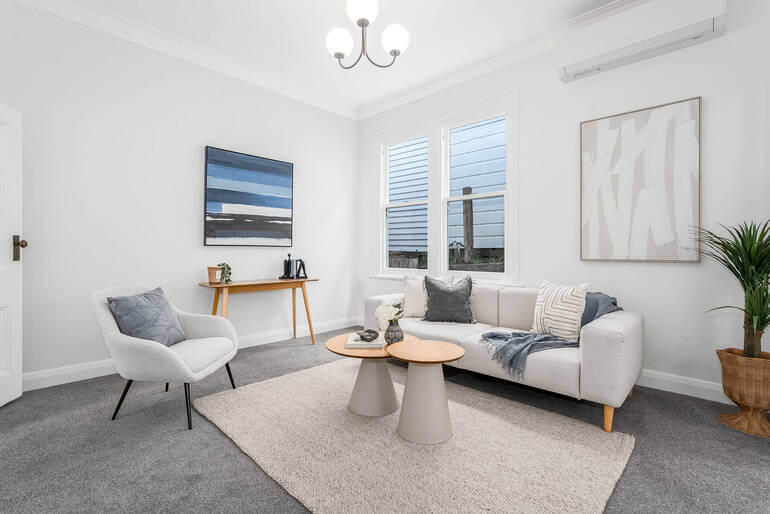
Staging in real estate is the process of preparing a home so it presents at its absolute best when it goes on the market.
At its core, staging is not about disguising a property or making it feel artificial. It is about helping buyers see the home clearly, appreciate its strengths, and imagine themselves living there.
Good staging highlights space, light, function, and overall livability. In most cases, staging begins with the basics. A home that is clean, orderly, and well-maintained feels more inviting right away.
Clutter can make rooms seem smaller, darker, and more chaotic than they really are. Personal items can also distract buyers from focusing on the home itself.
The goal is to create a fresh, welcoming environment that feels attractive to a wide range of people.
Staging often includes practical improvements such as:
- Deep cleaning kitchens, bathrooms, floors, and windows
- Removing clutter from counters, shelves, and closets
- Depersonalizing spaces by limiting family photos and highly specific decor
- Rearranging or reducing furniture to improve flow and make rooms feel larger
- Adding simple touches such as fresh towels, neutral bedding, or light décor pieces
- Improving curb appeal with trimmed landscaping, swept walkways, and a neat entry
- Taking care of small repairs that can make the home feel neglected
Curb appeal is an especially important part of staging because it shapes the buyer’s first impression before they even walk through the door.


AI photo editing transformed this overcast exterior into a vibrant, sun-drenched listing photo, significantly boosting curb appeal and making the property feel warmer and more welcoming to potential buyers.
A tidy yard, clean porch, and well-kept exterior signal that the property has been cared for. Inside, the same principle applies. Buyers respond to homes that feel calm, bright, and ready for a new owner.
Ultimately, staging is about presentation and perception. Even modest, low-cost efforts can make a meaningful difference in how buyers experience a home.
When done well, staging helps a property feel more desirable, more memorable, and more market-ready.
The Problems With Traditional Staging Techniques

Traditional staging is the physical process of preparing a home for sale by bringing in furniture, décor, artwork, rugs, and accessories to make the property more appealing to buyers.
In some cases, it also involves rearranging the seller’s existing furnishings, renting new pieces, or partially redesigning rooms to create a more polished presentation.
When done well, traditional staging can help a home feel warm, stylish, and move-in ready.
However, it also has several drawbacks that make it less practical for many sellers and agents. Let’s examine a few of the downsides of traditional staging.
Traditional Staging Is Work-Intensive ?

One of the biggest challenges with traditional staging is the amount of labor it requires.
Preparing a home for physical staging often involves coordinating multiple steps, vendors, and schedules before the property is ready to show.
- Sorting, packing, or removing the seller’s existing furniture and personal belongings
- Scheduling consultations with staging professionals and rental companies
- Moving furniture, décor, and accessories in and out of the property
- Cleaning and preparing rooms before staged items are installed
- Adjusting layouts room by room to improve flow and presentation
All of this takes time, planning, and physical effort. Even when professionals handle the work, the seller still has to manage the disruption and preparation involved.
Traditional Staging Delays a Listing’s Time to Market ?

Because staging depends on scheduling, delivery, setup, and final preparation, it can slow the process of getting a property photographed and listed for sale.
For example, consider these possible sources of delays:
- Waiting for stager availability and consultation appointments
- Rescheduling of furniture delivery, setup, or removal
- Needing extra time for repairs, cleaning, and room preparation
- Postponing listing photos until staging is fully complete
- Extending the timeline before showings can begin
In a competitive market, these delays can matter. A slower launch can mean missed momentum and fewer opportunities to attract early buyer interest.
Quick & Easy
AI Virtual Staging
Interiors. Landscapes. Commercial. Virtually transform any space.

Traditional Staging Is Expensive ?

Traditional staging can also add substantial cost to the selling process.
While prices vary, physical staging often requires an upfront investment that not every seller wants to make.
- Consultation and design fees
- Furniture and décor rental charges
- Delivery, installation, and pickup costs
- Monthly rental extensions if the home does not sell quickly
- Additional spending on cleaning, landscaping, or minor cosmetic updates
Overall, the expense of traditional staging can be prohibitive for many sellers.
Detailing the Costs $$$

Let’s consider the actual dollar amounts for some of the traditional staging techniques above. In many cases, the total cost goes well beyond simply renting a few pieces of furniture.
Between the initial consultation, furnishings, logistics, and ongoing rental fees, traditional staging can account for a significant portion of the overall cost of preparing a home for sale.
Typical traditional staging costs often include:
- Consultation and design fees of about $150 to $600
- Furniture and décor rental charges of roughly $1,500 to $6,000
- Delivery, installation, and pickup costs range from several hundred dollars to more than $1,000
- Monthly rental extensions of about $150 to $1,200 per month
- Additional spending on cleaning, landscaping, and minor cosmetic updates that can range from a few hundred dollars to several thousand dollars
If you sum the above price ranges, traditional staging costs an average of $2,000 to over $10,000. These costs help explain why traditional staging is not always the right fit for every listing.
Every day a listing is delayed or overpriced in preparation costs is a missed opportunity to attract buyers.
The effort, time, and expense required by traditional staging are beyond the reach of some sellers. Further, there is no guarantee that the cost will be recovered from the sale.
For many listings, this is where AI virtual staging becomes a more practical alternative.
AI Virtual Staging: A Better, More Affordable Option
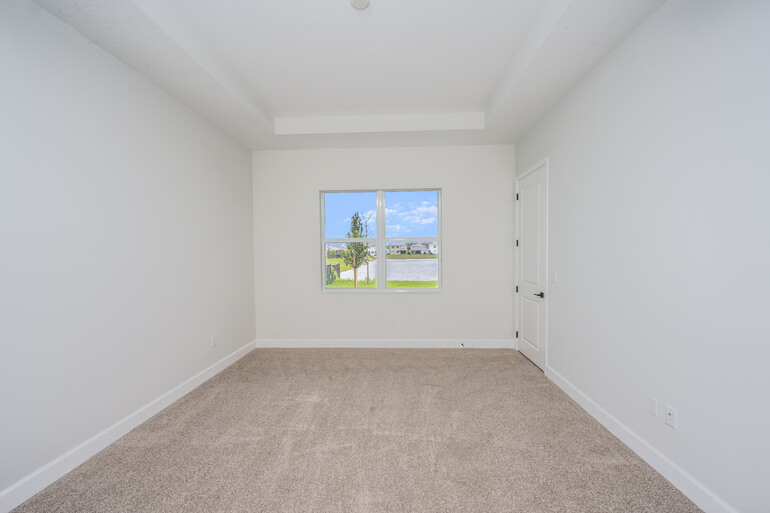
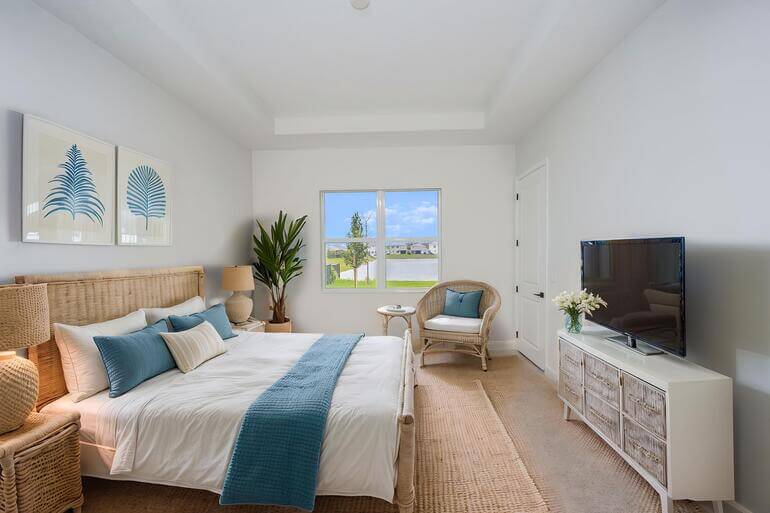
This virtually staged bedroom shows how AI home staging can digitally add furniture, textures, and décor to listing photos — giving buyers a realistic sense of scale, style, and livability without a single piece of physical furniture.
AI virtual staging is a growing trend in real estate digital marketing. It offers a faster, simpler, and far more affordable alternative to traditional staging.
Instead of physically bringing furniture, décor, and accessories into a home, AI virtual staging uses technology to furnish and style listing photos digitally.
Today, agents can use a range of powerful mobile apps to stage listing photos on their smartphones or tablets.
The result is a polished, attractive presentation that helps buyers understand a property’s potential without the cost, labor, and delays that often come with physical staging.
Huge Cost Savings
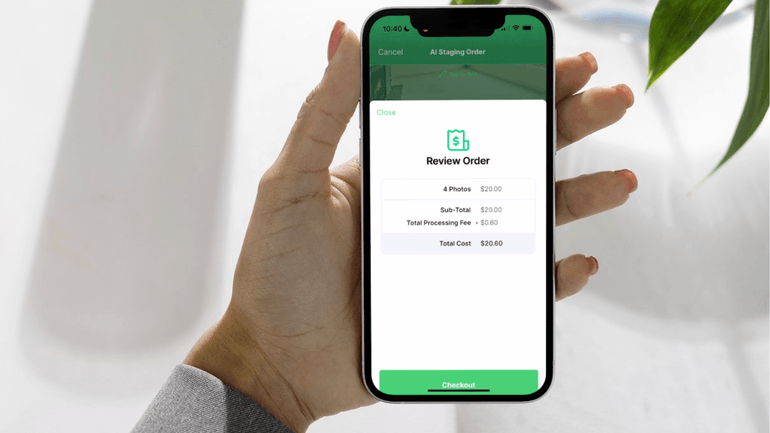
One of the biggest advantages is cost. As we noted, traditional staging can require consultation fees, furniture rentals, delivery charges, installation, and monthly extension costs if the home does not sell quickly.
AI virtual staging eliminates most of these costs while allowing listings to go live faster.. Sellers and agents can transform empty or underwhelming spaces in listing photos for a fraction of the price, making it a practical option for a much wider range of properties.
AI virtual staging also saves time. A home does not need to be physically furnished before listing photos are taken, which means the property can often be marketed much sooner.
This is especially helpful where speed matters. In addition, virtual staging avoids the disruption of moving furniture in and out of the home.
Other Benefits of AI Virtual Staging
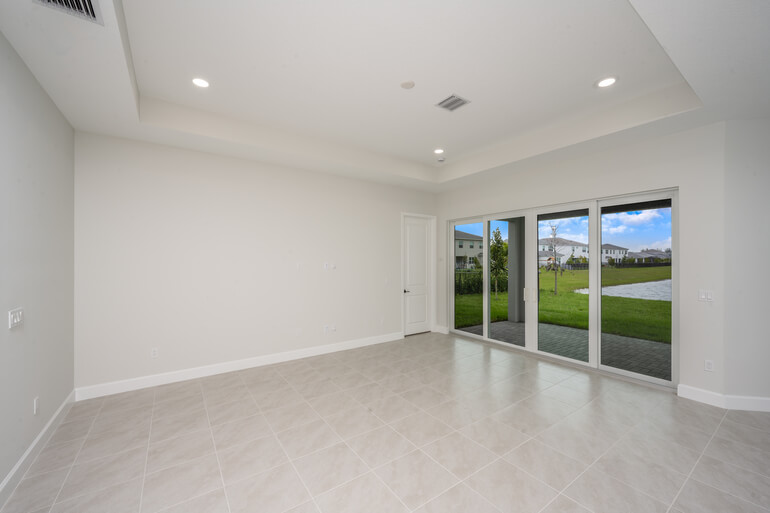
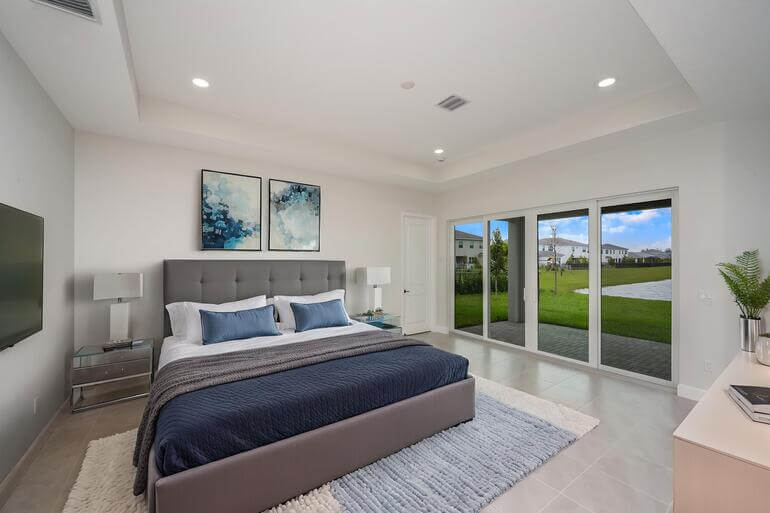
Empty room staging with AI gives every vacant space a sense of purpose and warmth — helping buyers immediately understand how a room functions and why it’s worth their attention.
The key benefits of AI virtual staging include:
- Lower overall cost than traditional physical staging
- Faster turnaround and quicker time to market
- No furniture delivery, setup, or removal required
- Less disruption for sellers still living in the home
- The ability to show empty rooms with style and purpose
- A clean, modern presentation that helps buyers visualize the space
- Flexible design options that can match the home’s likely buyer appeal
For agents looking to reduce costs without delaying listings, this is often the simplest place to start.
For many listings, AI virtual staging delivers the main benefit sellers want: stronger visual marketing. It helps rooms look warm, functional, and inviting while keeping expenses under control.
Take a look at how realistic the results can be with these virtual staging samples.
Although there are situations where traditional staging still makes sense, AI virtual staging is often the better choice for sellers who want an efficient, cost-conscious way to enhance listing photos and make a home more appealing online.
By now, you’re likely wondering where you can find high-quality, easy-to-use AI virtual staging. Let us recommend one of the leading providers.
Quick & Easy
AI Virtual Staging
Interiors. Landscapes. Commercial. Virtually transform any space.
Fast & Inexpensive: AgentUp AI Virtual Staging iOS App
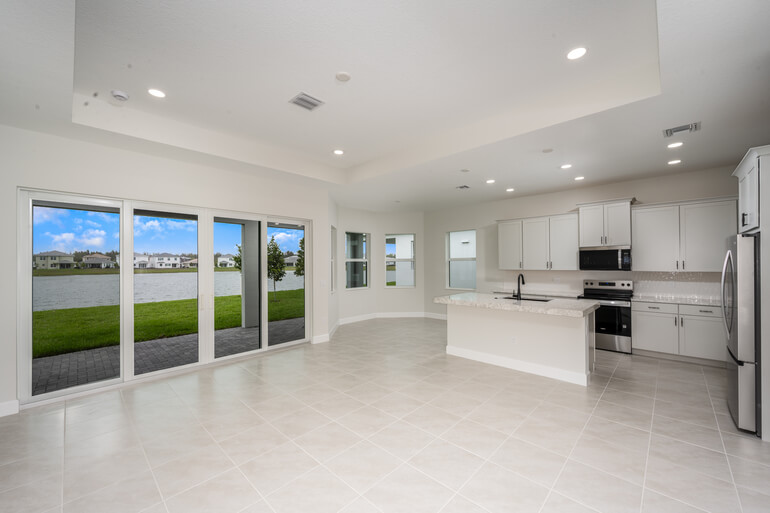
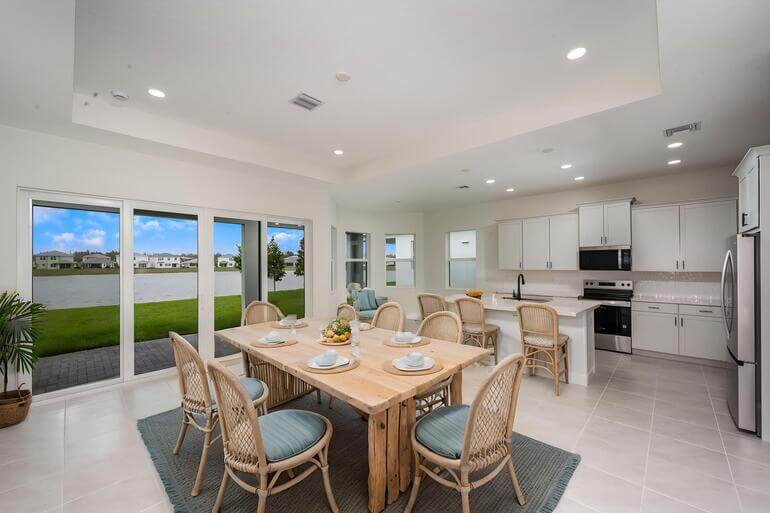
AI home staging can breathe new life into any listing photo. See how we virtually furnished this empty kitchen, making it feel complete and increasing the perceived value for potential buyers.
One practical way agents are applying this is through tools like AgentUp, which allow you to stage listing photos directly from your phone in minutes.
With AgentUp, real estate professionals can quickly stage listing photos for about $5 per image without the need for physical setup or delays.
How to Get Started
Are you wondering how to get started? The process is simple, involving just four simple steps:
Step 1. Take a variety of high-quality photos of the property.
Step 2. Download the AgentUp Virtual Staging AI app from your App Store or scan the QR code below:

Step 3. Select and upload your photos in the app, then choose furnishings and decor items.
Step 4. Each image is usually processed in a few minutes. When done, download the results and begin using the virtually staged images across your marketing materials.
It’s quick and easy!
Also, the AgentUp app lets you choose from 5 popular interior design styles:
- Modern
- Midcentury
- Rustic
- Industrial
- Coastal
AgentUp’s AI virtual staging platform has become a go-to resource for many real estate agents and photographers seeking polished, realistic images that help listings capture buyer interest and drive more online engagement.
A Complete Real Estate Marketing Partner
Virtual staging is only part of our offerings. We also provide practical, user-friendly digital marketing tools to present homes more effectively and help agents stand out in a highly competitive market, including:
We have everything you need to market real estate on one user-friendly platform. So, do yourself a favor and see why our digital marketing tools are the top choice of so many brokers and agents.
Sign up for a free AgentUp account today and discover what we can do for business!
Thanks for reading. We hope this article on how to cut staging costs by over 90% with AI virtual staging was informative and beneficial.