


Agents have leaned on AI for listing descriptions, follow-up emails, and social captions for a couple of years now. Real estate photo editing AI is the newer addition to that toolkit, and it’s moving faster than the rest of it.
Quicker turnaround. Better virtual staging. New rules about what has to be disclosed to buyers.
This article covers what’s actually different in 2026 and how to use these tools without creating a compliance headache.
Why Real Estate Photo Editing AI Looks Different This Year
AI adoption among agents has jumped well past the experimental phase. A February 2026 RPR survey found that 82% of agents now use AI in their business, most often for writing listing descriptions, drafting social content, and image editing. Only 8% said they have no plans to use it at all.1




Photos are where that adoption is starting to show. Buyers scroll listing photos before they read a single line of the description, and they’re less forgiving of a dim, cluttered, or inconsistent gallery than they were even two years ago. Agents who used to treat photo editing as an occasional touch-up now build it into every listing launch.


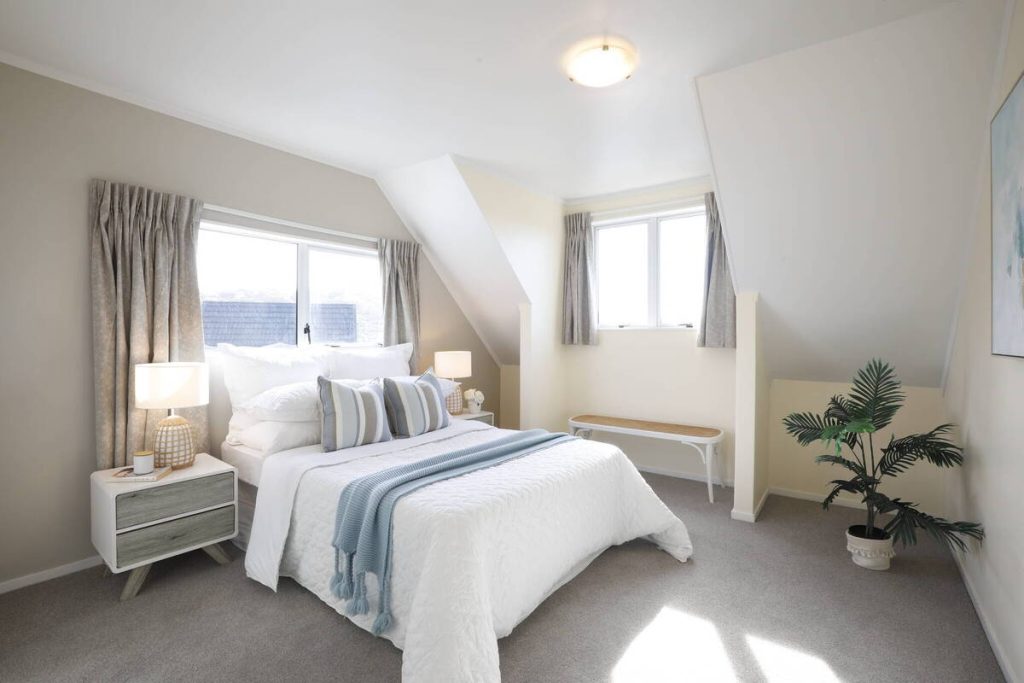
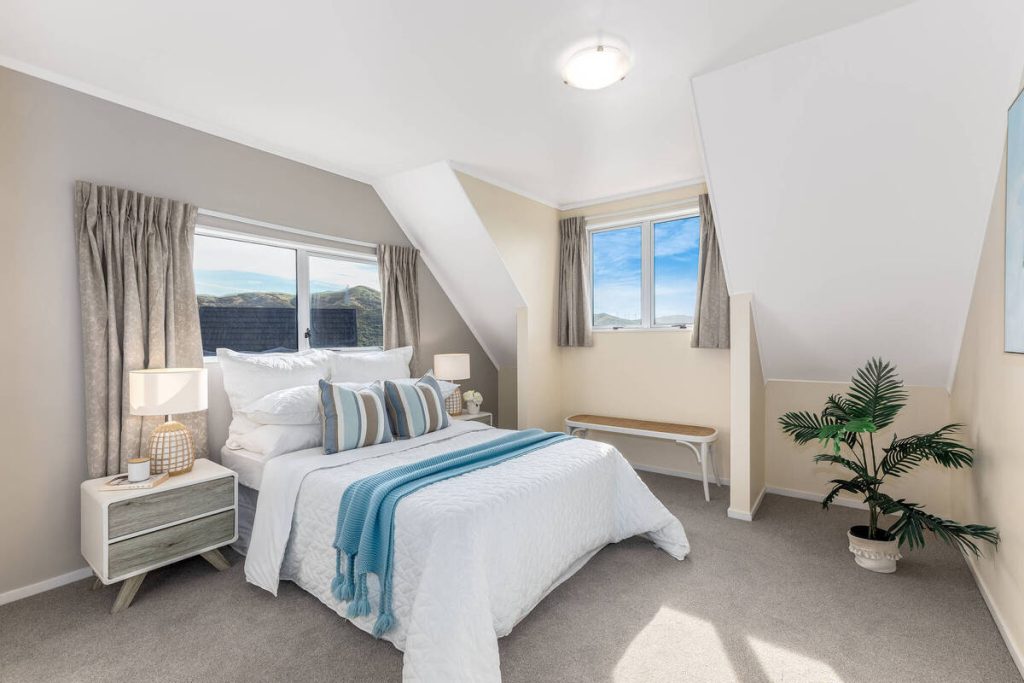
That shift brings new expectations on the buyer side and, increasingly, new obligations on the agent side. Both are covered below.
What’s Actually Changing in Real Estate Photo Editing AI This Year
Four things stand out. Some are workflow improvements. One is a compliance shift every agent using AI-edited photos needs to know about.
AI Editing Is Now the First Pass, Not a Novelty
A few years ago, AI photo editing meant a rough auto-enhance button buried in an app. Now it’s the default starting point for exposure correction, white balance, and HDR blending across a full shoot, finished in a single automated pass.
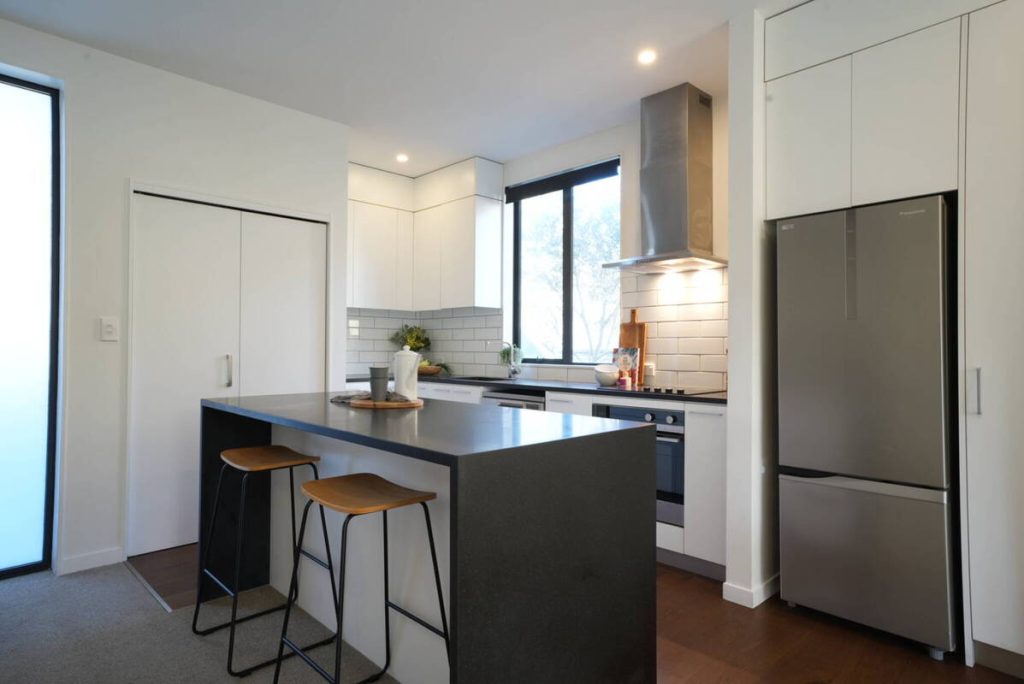
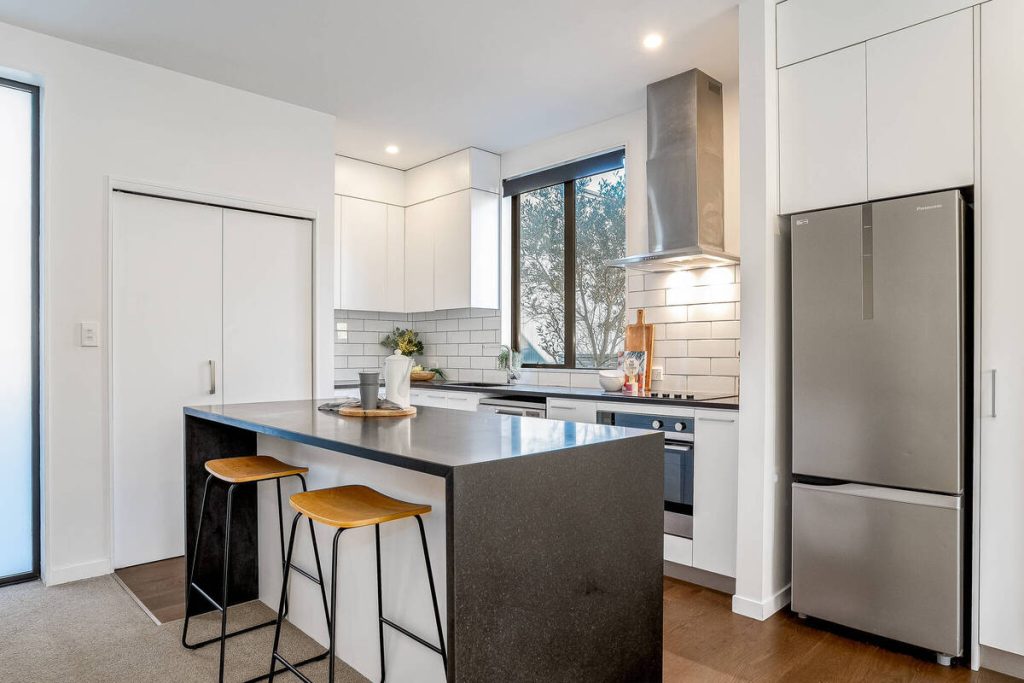

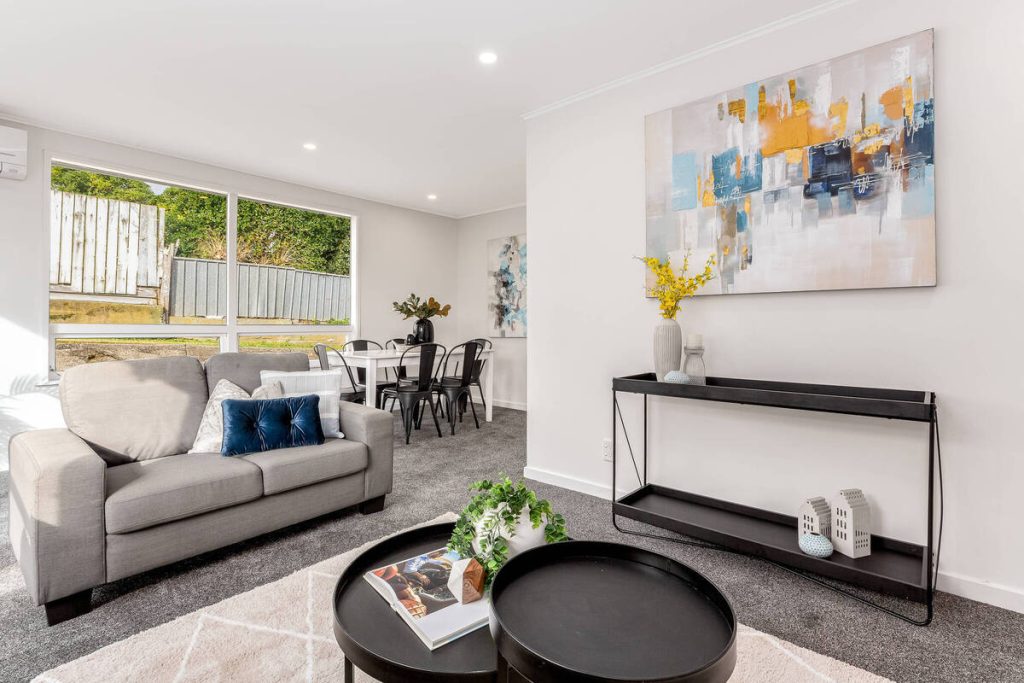
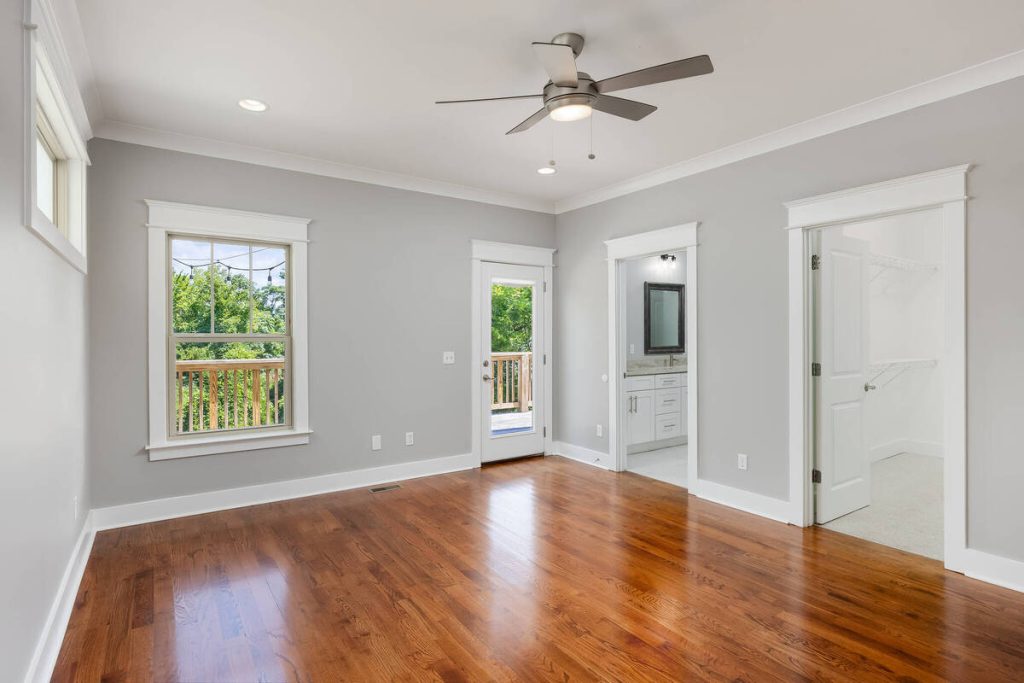
The practical effect is turnaround time. Photos that used to sit in an editing queue for a day or two can go from camera to MLS-ready the same afternoon. For agents racing to launch a listing before the weekend showing, that difference is the whole point.
AI Virtual Staging Has Real Numbers Behind It Now
Real estate photo editing AI has changed virtual staging dramatically. Furniture no longer looks pasted on, shadows are more realistic, and sellers are more confident in the results. The technology has closed much of the quality gap, and the data on staging backs up why it’s worth using.
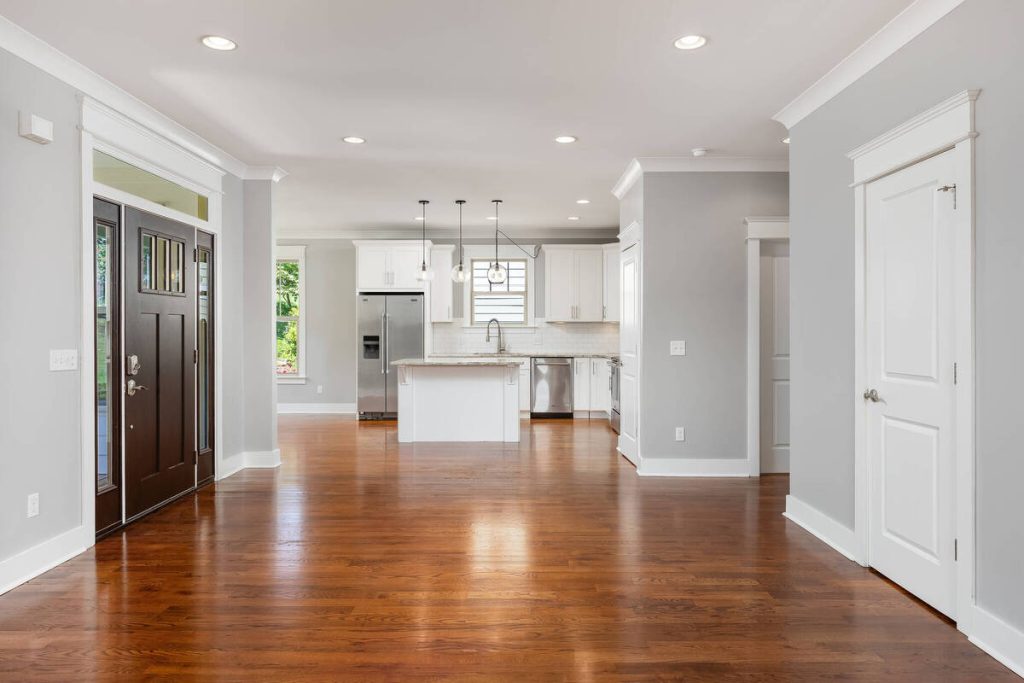
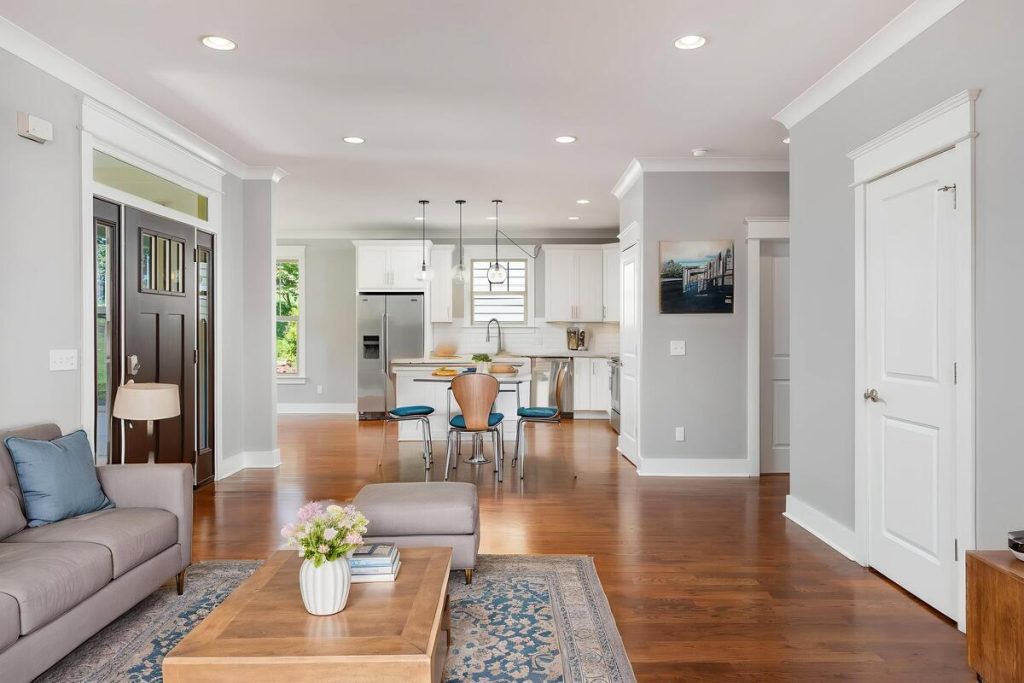



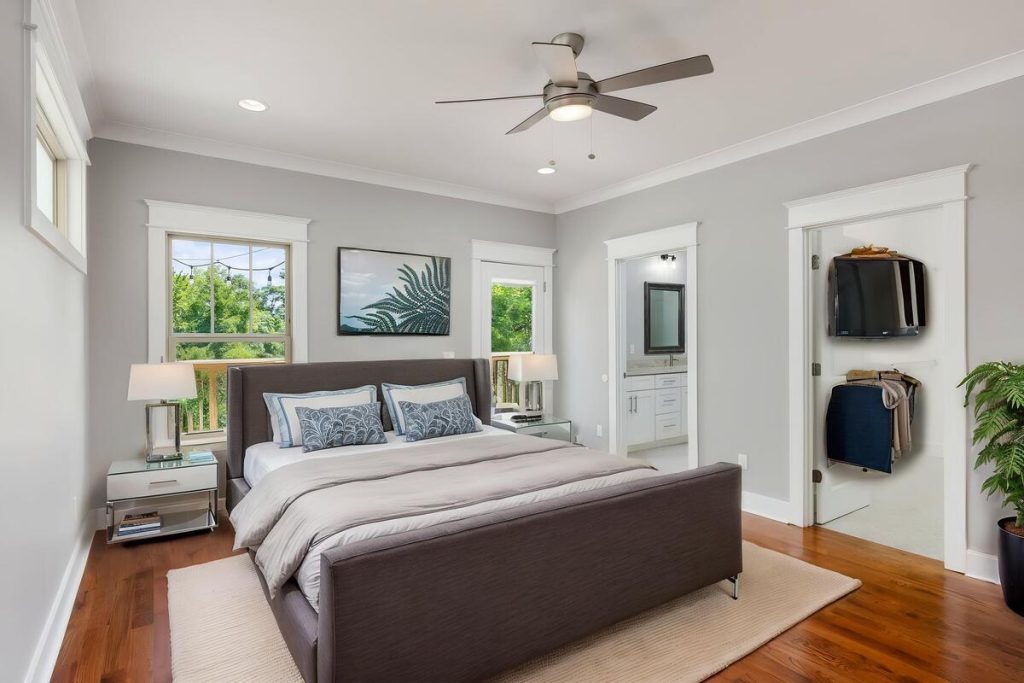

NAR’s 2025 Profile of Home Staging found that 29% of agents saw a 1% to 10% increase in dollar offers on staged homes, and 49% of sellers’ agents reported staging reduced time on market.2 Virtual staging won’t replicate every benefit of physical staging, but it gets an empty listing most of the way there at a fraction of the cost. That’s why more agents now include it as part of their standard listing package.
Photo Disclosure Rules Are Catching Up With the Technology
This is the change most agents haven’t seen coming. A Coraly study covered by HousingWire found that 10.8% of primary listing photos across Zillow, Redfin, Realtor.com, and Homes.com showed signs of digital alteration, most commonly sky replacement.3 More than 90% of those altered images carried no visible disclosure anywhere.
California’s Assembly Bill 723, in effect since January 1, 2026, now requires licensed agents to conspicuously disclose digitally altered listing images and make the original, unaltered photos available on request. It’s one of the first state laws to specifically regulate AI-edited real estate photos, and other states are watching closely.
More Clicks. More Showings.
Get Market-Ready Listing Photos Fast
Transform your listing photos in seconds and attract more buyers from the first click.

This doesn’t mean agents need to stop using AI editing or virtual staging. It means the workflow needs a record of what was changed and why, so a disclosure isn’t a scramble after the fact.
Photo Count and Consistency Still Decide Outcomes
With all the attention on AI capabilities, it’s easy to forget that the fundamentals still matter most. Zillow’s own research found that homes with fewer than nine photos are about 20% less likely to sell within 60 days compared to listings in the 22-to-27 photo range, which performs best.4 Photo count beyond that range shows diminishing returns.
AI editing helps here in a specific way: it makes it realistic to get a full 25-photo gallery edited and consistent, instead of hand-picking eight favorites because editing the rest would take too long.

Modern real estate photo editing AI can quickly handle exposure, color, sky replacement, and consistent edits across an entire listing. When a property requires more detailed work, such as complex architectural edits or premium retouching, a hybrid AI-and-human editing service like PhotoUp provides the extra level of quality.
How to Use AI Photo Editing Without Creating Compliance Risk
The Close’s guidance on AI disclosure points to a workflow problem more than a compliance problem: agents often can’t produce an unaltered original because nobody kept one. A few habits fix that.5
- Keep the unedited originals: store them alongside the edited versions, not just on a photographer’s hard drive that gets wiped after delivery.
- Label virtual staging clearly: note it in the MLS remarks and anywhere else the image appears, including property websites and social posts.
- Know your state and MLS rules: disclosure requirements vary, and California’s AB 723 likely won’t be the last state law on this.
- Edit for accuracy, not perfection: if a correction changes something a buyer would notice in person, it needs a disclosure. If it just makes a photo look the way the room actually looks on a good day, it doesn’t.
- Document what changed: a simple note per listing, sky replaced, staging added, is enough to answer a buyer’s question without digging through files later.
Where AgentUp Fits
This is the kind of workflow AgentUp’s AI photo editing is built around. Photos go from upload to market-ready in minutes, with consistent exposure and color correction across a full shoot instead of a handful of hero shots. AI virtual staging is available from $5 per image across multiple design styles, so an empty listing doesn’t have to stay empty in photos while you wait on a physical staging crew.
More Clicks. More Showings.
Get Market-Ready Listing Photos Fast
Transform your listing photos in seconds and attract more buyers from the first click.
Every edit stays organized by listing, which makes it easier to keep the kind of record the practices above call for. The same photos then carry through to a single property website or a full listing marketing package, so the work of getting them right pays off across every place a buyer sees the property.
If you want to see how it fits your current workflow, start with a free AgentUp account and run your next listing’s photos through it.
References:
- AI adoption reaches 82% among real estate agents, RPR reports
- NAR Report Reveals Home Staging Boosts Sale Prices and Reduces Time on Market
- Most AI-altered listings go undisclosed, California law bans it
- Searched It, Saw It, Bought It: How Listing & Home Characteristics Impact Days on Market
- AI Listing Photos Are Now a Disclosure Risk for Agents