


AI virtual staging lets you transform your listing photos into compelling, professional-grade images in just a few minutes.
Today, AI technology makes virtual staging highly realistic, enabling a strong visual presentation that is crucial for capturing buyers’ attention and generating interest.
Outstanding listing photos, enhanced by AI, can significantly improve appeal, leading to quicker sales and higher offers.
In this post, we’ll explain AI virtual staging, its benefits, and how to use the technology.
So, let’s dive in and learn more about this exciting and easy-to-use marketing and sales tool.
What Is AI Virtual Staging?
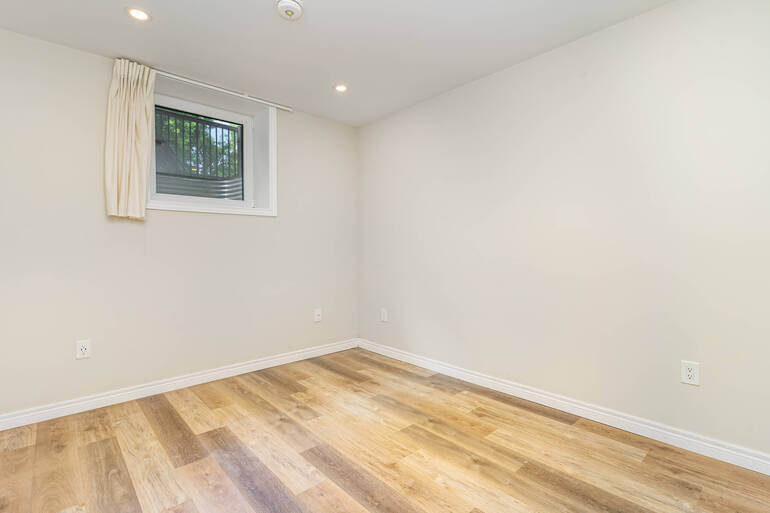
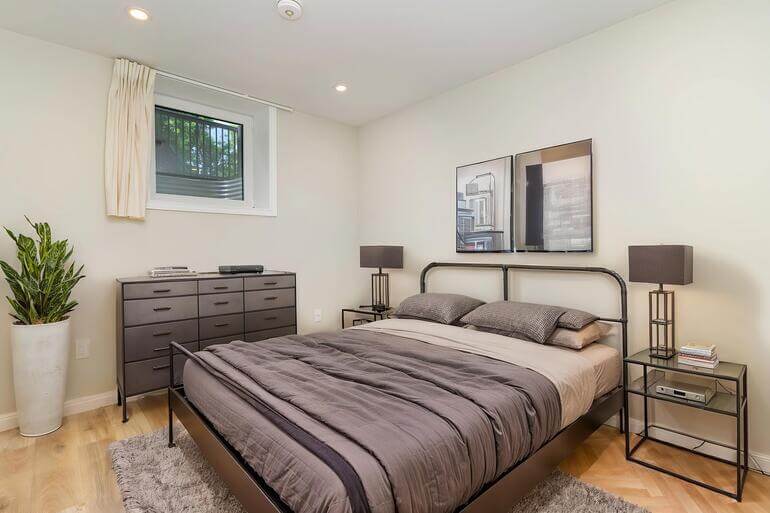
AI virtual staging is a digital method of furnishing and styling listing photos using artificial intelligence.
Instead of physically bringing in furniture, décor, and staging teams, AI tools can place realistic sofas, beds, rugs, artwork, lighting, and accessories into an empty room, or even replace outdated furniture with a cleaner, more modern look.
The goal is simple: help buyers visualize how the space functions and feels, without the cost and effort of traditional staging.
For real estate professionals, virtual staging is most effective when it clarifies scale, layout, and lifestyle. An empty living room can look smaller than it is, and a spare bedroom may read as a storage area.
Above all, it helps listings compete online, where first impressions are made in seconds.
Typically, in the form of an app, AI virtual staging technology allows you to do the following:
- Add furniture, decor items, and even artwork to empty rooms
- Remove unwanted items and clutter while depersonalizing a space
- Swap out old furniture and replace it with more stylish choices
- Enhance landscaping, add a patio or deck, green a lawn, or replace a lackluster sky
- Update appliances, lighting, cabinetry, doors, and fixtures
- Change flooring, doors, molding, and wall colors
- Virtually make repairs and engage in remodeling
Staged images work best when they stay believable and realistic. For example, the staged furniture should match the home’s price point, the architecture, and the room dimensions.
All in all, AI virtual staging is a practical way to present homes at their best and help buyers connect emotionally with the space before they step through the door.
The Benefits of AI Virtual Staging
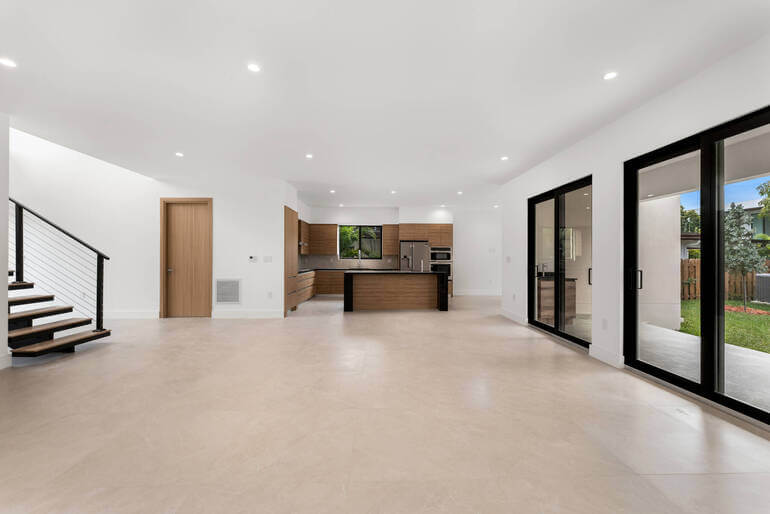
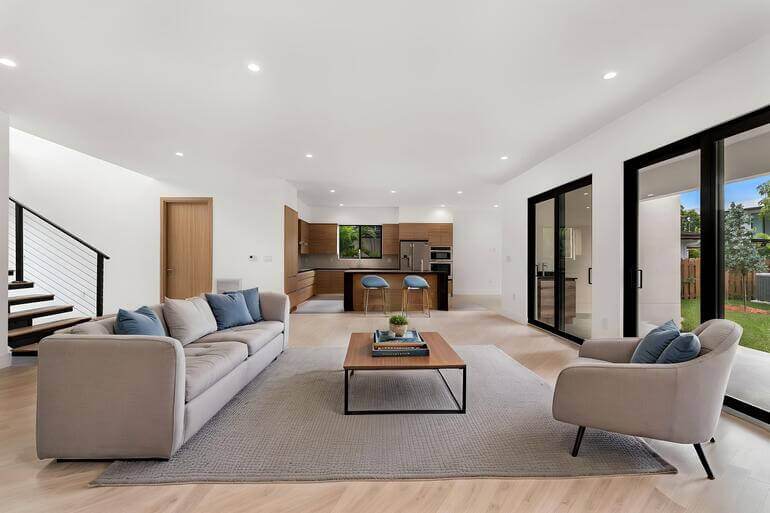
The latest AI virtual staging technology makes photo editing easier and faster. More importantly, the results are highly realistic.
Some of the key benefits of AI virtual staging include:
- Faster listing time, often completed in hours instead of days
- Lower cost than physical staging, especially for vacant homes
- Consistent design style across multiple rooms and properties
- Better room definition, helping buyers understand layout and scale
- Stronger online appeal, which can increase clicks and in-person showings
Now, just in case you’re not yet convinced of the value of virtual staging, here are some recent statistics that demonstrate its clear benefits for real estate sales:
- Nearly 100% of buyers select homes to see by browsing the listing photos, and virtual staging makes every photo impressive and highly appealing
- Virtual staging can reduce the cost of staging by up to 97%
- Homes marketed with virtual staging sell 75% faster than those that are not
- 40% of buyer’s agents report that their clients are more likely to schedule an in-person showing for a virtually staged home they saw online
- 58% of buyer agents reported that virtual staging influences how most clients perceive a property
- 82% of buyers said that seeing a virtually staged home made it easier to imagine living there
- 31% of buyers identified virtual staging of empty rooms as a crucial factor in their decision-making process
- 39% of home shoppers preferred to see the living area virtually staged
The numbers above reinforce the fact that virtual staging produces high-quality listing photos that entice potential buyers to see the property in person, leading to offers.
Additionally, regularly using this powerful tool to generate stunning listing photos will boost your brand and generate more sales leads.
Quick & Easy
AI Virtual Staging
Interiors. Landscapes. Commercial. Virtually transform any space.

Using AI Virtual Staging to Transform a Vacant Listing
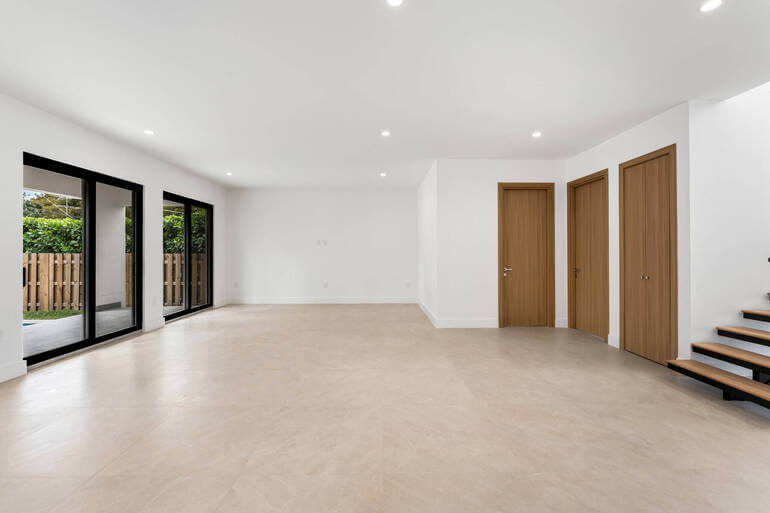
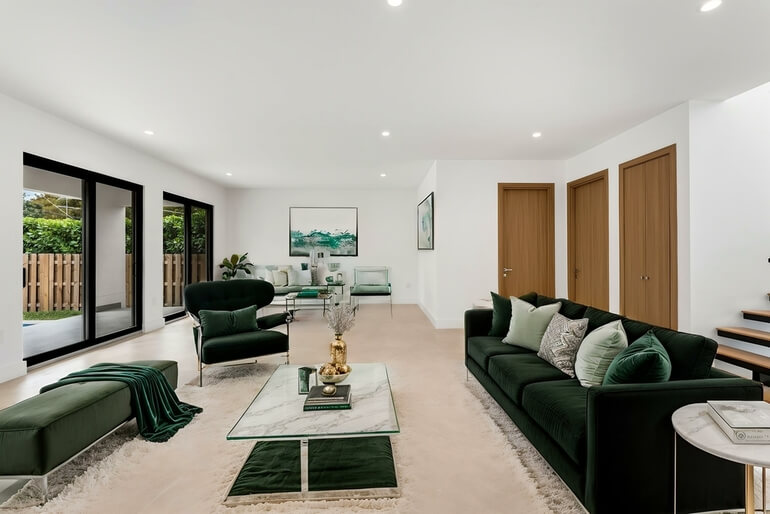
A vacant home can be harder to sell than most agents expect. Empty rooms often look smaller in photos, buyers struggle to judge layout, and the listing can feel cold or unfinished online.
Even when the property is clean and well-maintained, the lack of furniture makes it difficult for people to picture real life in the space. That’s where AI virtual staging can make a measurable difference.
AI virtual staging uses software to add realistic furniture and décor to your vacant listing photos without physically staging the home.
Done well, it helps buyers understand scale, flow, and purpose. A large room becomes a comfortable living area. A spare bedroom reads as a guest room instead of “just empty space.” A strange nook becomes a home office.
Most importantly, the listing feels lived-in enough to create emotional pull, while still keeping the focus on the home itself.
Here’s how AI virtual staging can transform a vacant listing:
- Defines how each room can be used, reducing buyer confusion
- Improves perceived size by giving a visual reference for scale
- Creates warmth and lifestyle appeal in online photos
- Allows multiple style options to match target buyers
- Speeds up listing prep without the cost of renting furniture or décor
Keep the staging believable with appropriate furniture sizes and minimal accessories.
Additionally, use AI staging strategically. Stage the primary rooms first: the living room, kitchen, dining area, primary bedroom, and key flex spaces.
When buyers can instantly grasp the home’s potential from the first swipe, you create more interest, more showings, and a better chance of strong offers.
AI Virtual Staging Best Practices
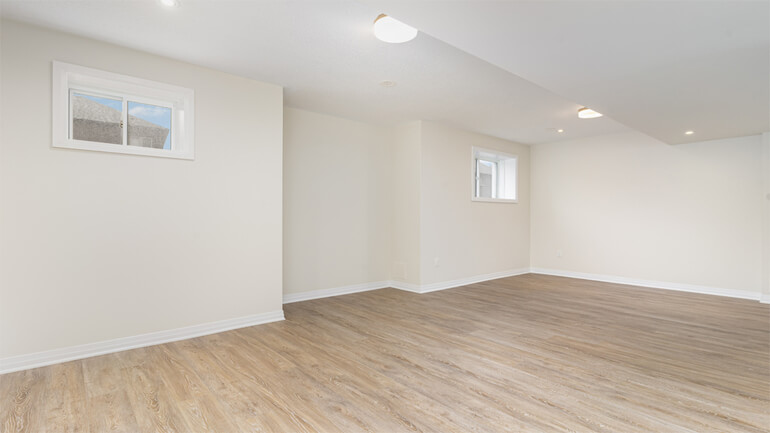

AI virtual staging works best when it feels invisible. The goal is not to impress buyers with décor; it is to help them understand the home.
When staging looks realistic and proportional, it supports the listing. When it looks exaggerated or misleading, it creates distrust, disappoints at showings, and can even trigger compliance issues.
Start by treating virtual staging like real staging: design should fit the property. A sleek, ultra-modern set may look out of place in a classic colonial, and bulky sectional furniture can make a modest living room feel cramped.
Keep choices simple, clean, and believable. Select pieces that reflect the home’s likely buyer’s tastes and price point, and avoid visual clutter that pulls attention away from the property itself.
Additional AI virtual staging best practices include the following:
- Match the furniture style to the home’s architecture and location
- Use an accurate scale, avoiding oversized pieces that distort room dimensions
- Keep décor minimal so the room and layout remain the focus
- Stage “purpose” first: seating, sleeping, dining, or work areas
- Maintain consistent style across rooms for a cohesive photo set
- Use high-quality, well-lit photos with straight vertical lines
Also, plan for compliance and transparency. If your MLS or local rules require disclosure, make it obvious that images are virtually staged.
Even when it is not required, clear disclosure builds trust and reduces false expectations at showings.
Many staging platforms offer a “virtually staged” watermark option, and adopting that approach can be a smart habit for agents who want to stay audit-ready and avoid buyer misunderstandings.
Used ethically, AI virtual staging is a powerful sales tool. It helps buyers visualize the home’s potential, improves photo performance online, and supports stronger first impressions, without crossing the line into misrepresentation.
Quick & Easy
AI Virtual Staging
Interiors. Landscapes. Commercial. Virtually transform any space.
AgentUp’s AI Virtual Staging App
AI virtual staging is a digital marketing trend widely used across the real estate sales industry.
One of the most trusted AI virtual staging apps is from AgentUp, an industry leader in real estate digital marketing tools.
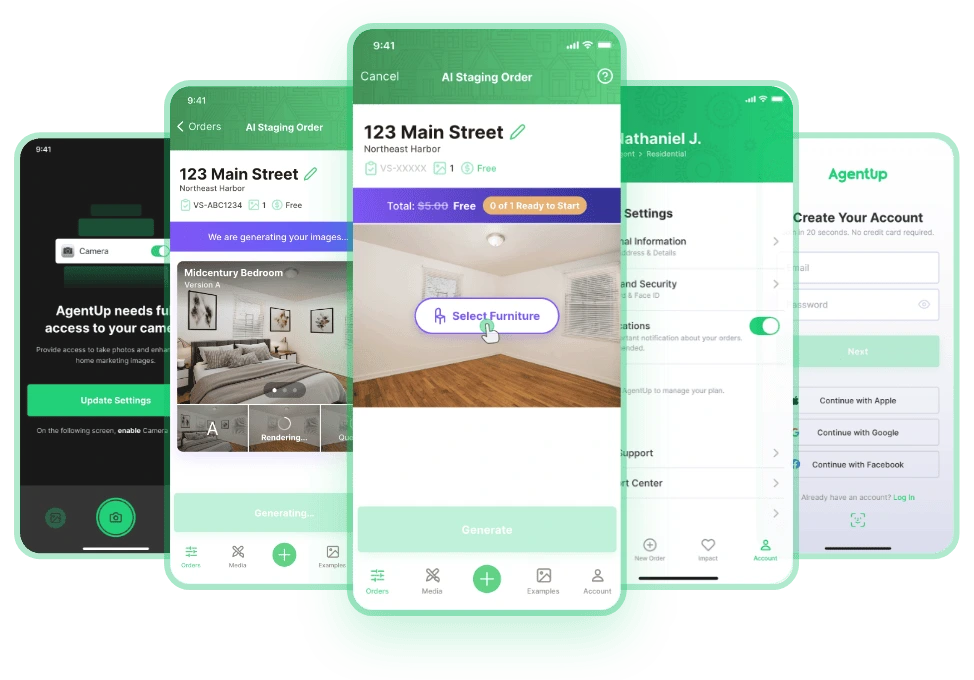
AgentUp’s AI Virtual Staging App empowers real estate sales professionals and photographers to quickly stage listing photos directly from their phones for just $5 per image.
Wondering how to get started? The process is simple, involving just four quick and easy steps:
Step 1. Take high-quality photos of the property.
Step 2. Get the AgentUp Virtual Staging AI app from your App Store using this link: AgentUp App or scan the QR code here:

Step 3. Upload your photos using the app and choose furnishings and decor items.
Step 4. Download the results and begin using the virtually staged images.
Using the app is straightforward, and it’s really that simple. Also, the AgentUp VS App has 5 popular interior design styles to choose from:
- Modern
- Midcentury
- Rustic
- Industrial
- Coastal
Our AI virtual staging is the preferred choice of thousands of sales agents and photographers seeking high-quality, realistic listing-ready photos to entice buyer attention and boost web traffic.
How to Order AI Virtual Staging With the AgentUp iOS App
For more information, check out this uploader demo to see how to order AI virtual staging with the AgentUp iOS app:
Real Estate Marketing Solutions
AI virtual staging isn’t all we do. We also offer effective, easy-to-use digital marketing tools that showcase properties at their best and help agents stand out in a crowded, fast-paced market, including:
Take a moment and see why our digital marketing tools have enabled brokerages and agents to grow their businesses and establish consistent success.
Sign up for a free AgentUp account today and discover what we can do for business.
Thanks for reading. We hope you found this article on using AI virtual staging to transform empty listings in minutes helpful.