


Vacant listings put agents in an awkward spot. The home might have good bones and a fair price, but the photos show bare walls and empty carpet. Buyers scrolling through search results have nothing to anchor to, so they keep scrolling.
Virtual home staging software solves this without a single moving truck. It furnishes rooms digitally, turning cold, empty photos into spaces buyers can picture living in.
That matters because the first showing now happens on a screen. Searching online has been the most common first step for home buyers for years, according to NAR’s generational trends research.1 If a vacant listing doesn’t connect online, it may never get a chance in person.
This article covers how the software works, what it costs compared to traditional staging, and how to get staged listing images that help a home sell.
Why Empty Rooms Are a Hard Sell
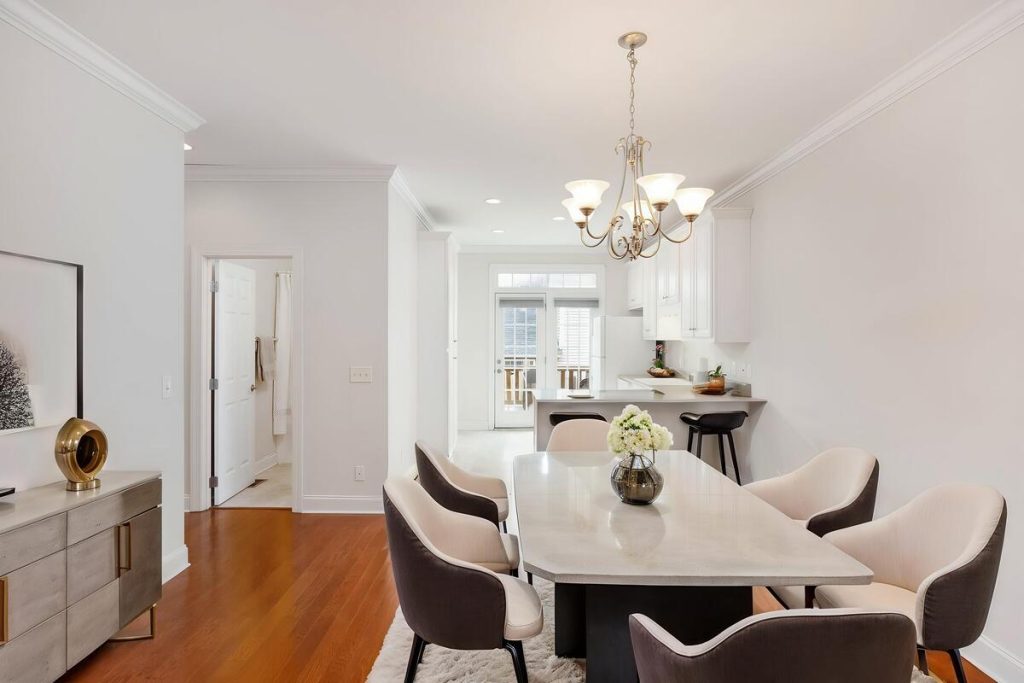
An empty room asks buyers to do the imagining themselves, and few of them will. Without furniture, it’s hard to judge whether a bedroom fits a king bed or whether the living room can seat six. Odd angles and small flaws stand out because there’s nothing else to look at.

There’s also no emotional pull. In NAR’s 2025 Profile of Home Staging, 83% of buyers’ agents said staging made it easier for their clients to envision the property as their future home.2 The same report found staging made buyers more willing to walk through a home they first saw online.
Staging works. The problem for vacant listings is that traditional staging is expensive and slow, which is why so many of them go to the market empty. We’ve written before about how virtually staged spaces help buyers see beyond empty rooms; this piece focuses on the software side, and on what it means for your listing workflow.
What Is Virtual Home Staging Software?
Virtual home staging software adds realistic furniture, decor, and finishes to photos of vacant or dated rooms, so a listing can be staged digitally instead of physically. You upload a photo of an empty space and get back the same room furnished in a style you choose.
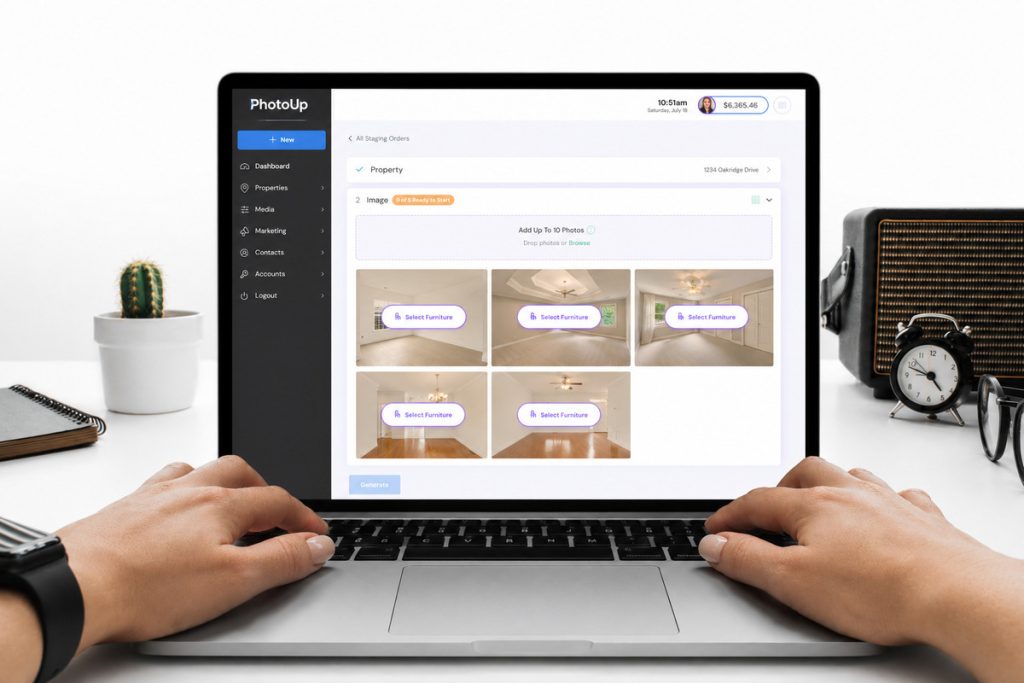
Tools generally fall into two camps. AI-powered platforms generate staged images automatically, often within minutes, at a low per-image price. Designer-assisted services put a human in the loop for more control, usually with a turnaround of a day or two. Either way, the timeline is hours rather than the week or more that physical staging takes.
Most platforms let you pick from a library of furniture styles, so you can stage a listing as modern, farmhouse, traditional, or whatever fits the home. Better tools also handle decluttering and furniture removal, useful when a seller’s dated furniture is doing the listing no favors.
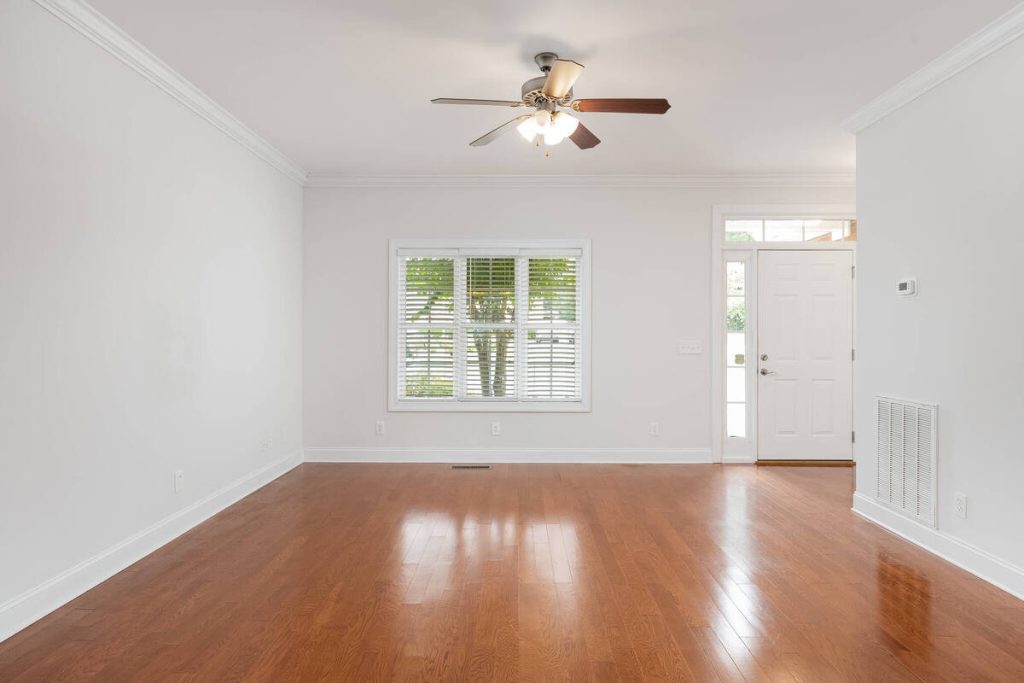
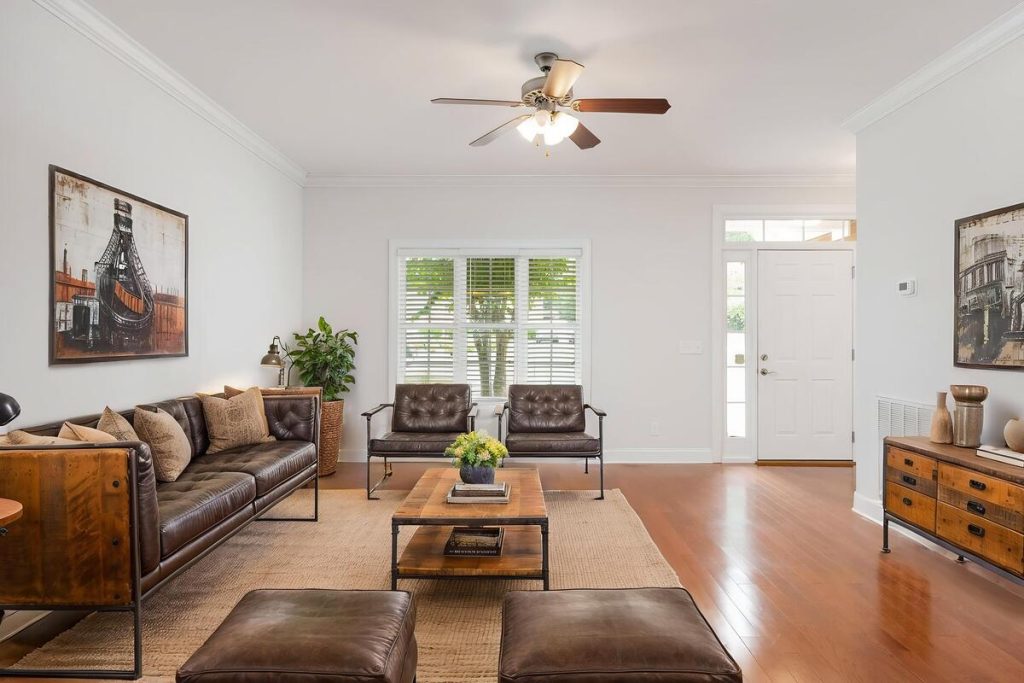
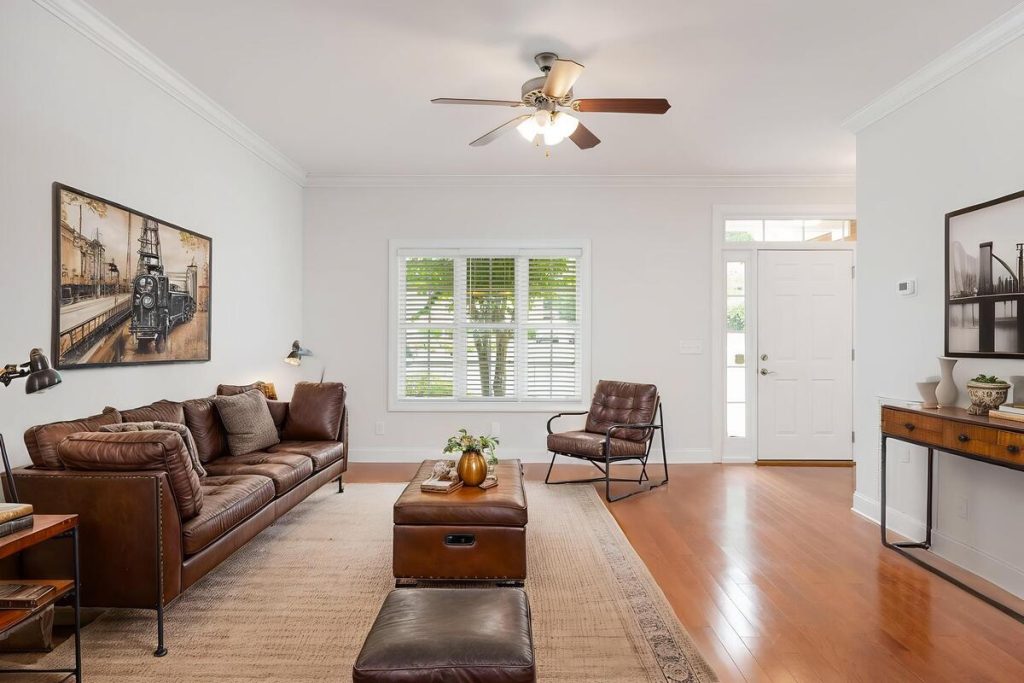
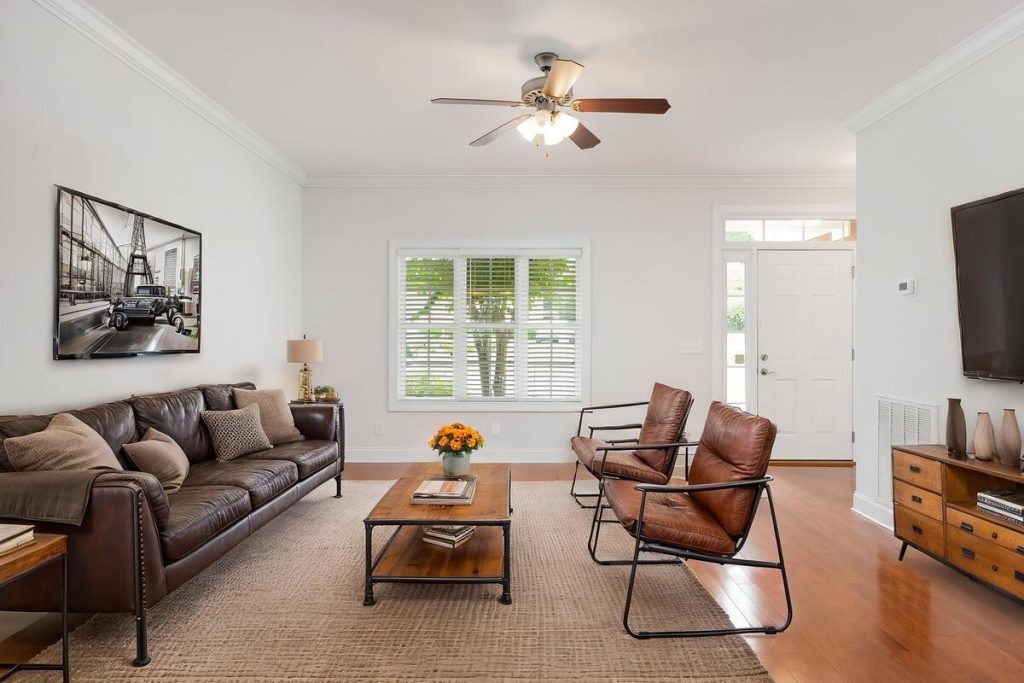
One thing the software doesn’t do: change the actual home. Buyers will still walk into an empty house, which is why disclosure rules exist (more on that below). Virtual staging earns its keep in the marketing, where nearly every buyer forms a first impression.
Quick & Easy
AI Virtual Staging
Interiors. Landscapes. Commercial. Virtually transform any space.

How Virtual Staging Brings an Empty Room to Life
Furniture gives a room scale. A sofa, a rug, and a coffee table tell buyers exactly how much space they’re looking at, which is the single hardest thing to read in a photo of a bare room.
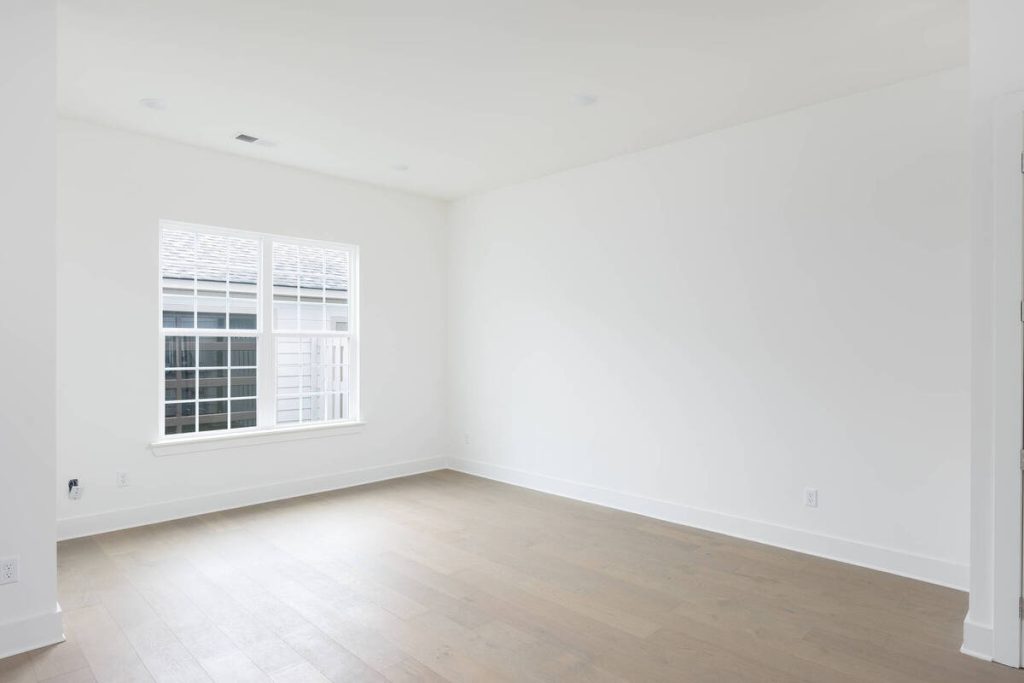
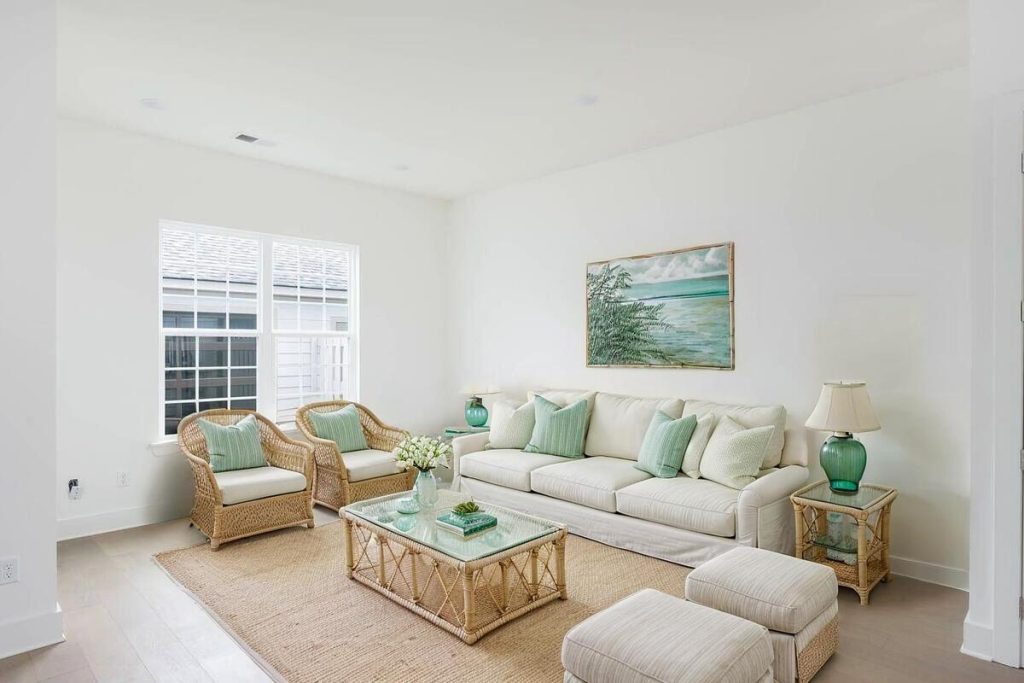
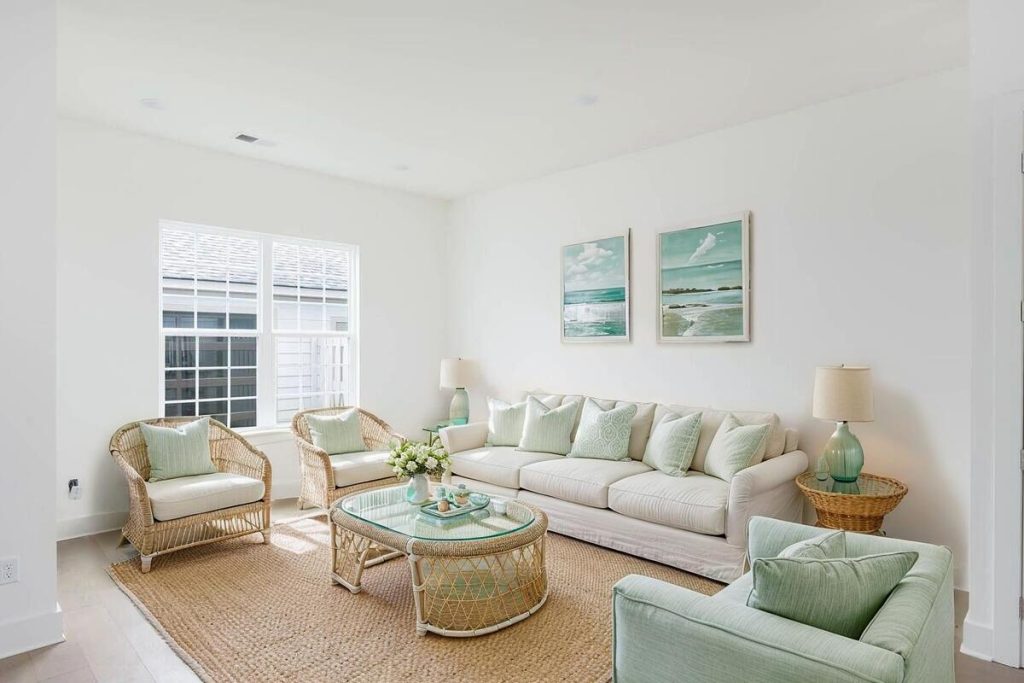
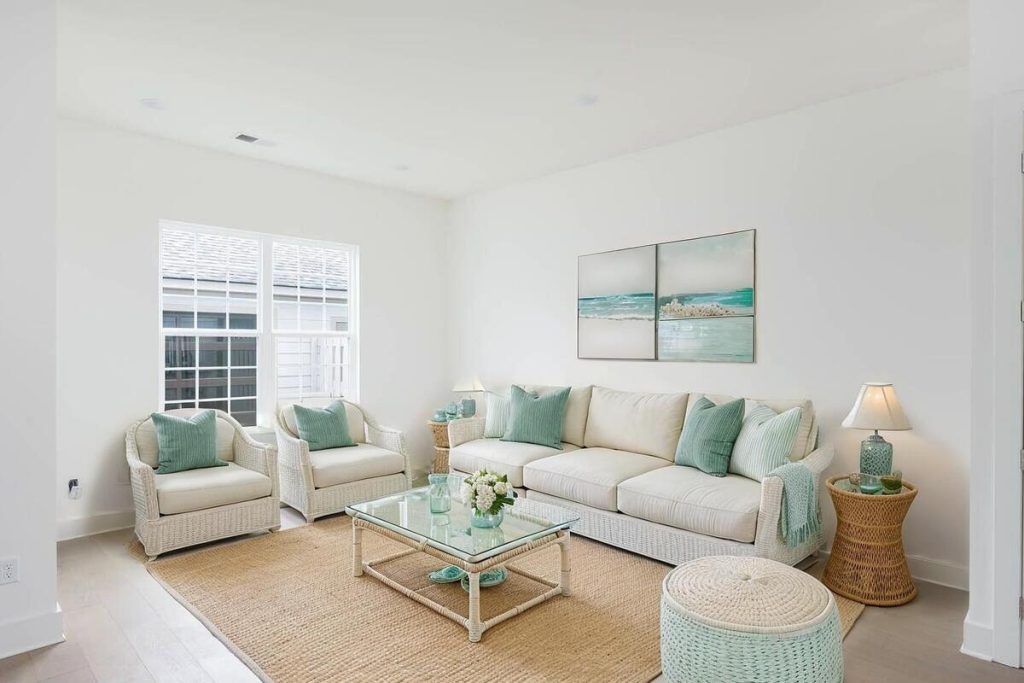
It also gives a room a job. That awkward space off the kitchen reads as wasted square footage when it’s empty. Staged with a desk, it’s a home office. As The Close points out in its virtual staging software guide, you can stage the same room several ways, presenting a spare bedroom as a nursery in one image and a gym in another.3 Physical staging only ever gets one shot at that.
Style matters too. Good virtual staging matches the furnishings to the home’s architecture and the likely buyer, so a downtown condo gets a different treatment than a family colonial.
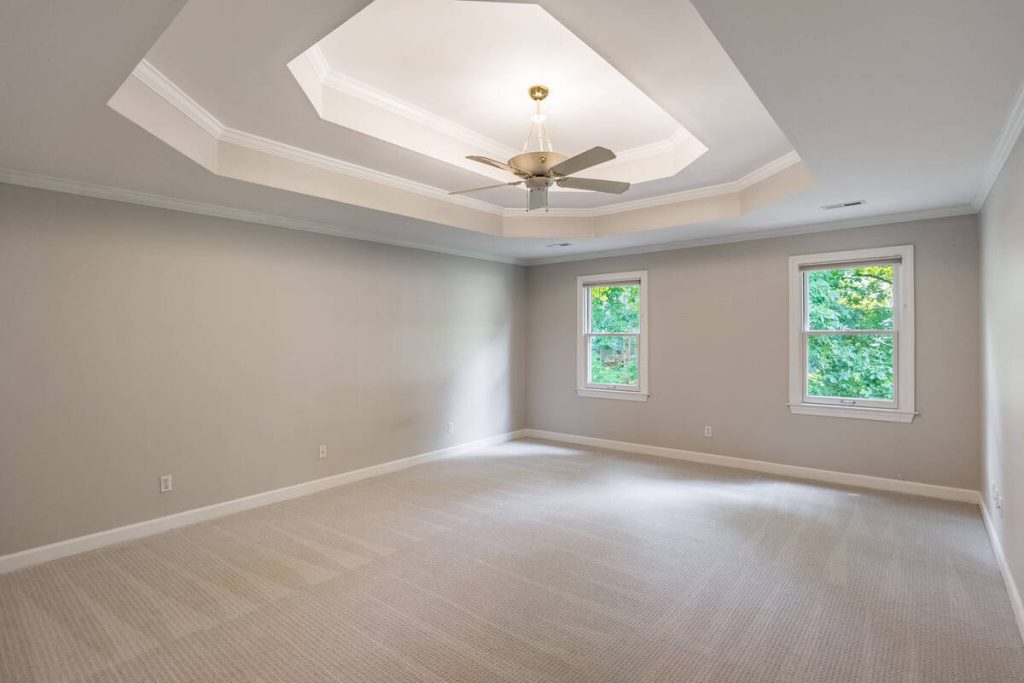
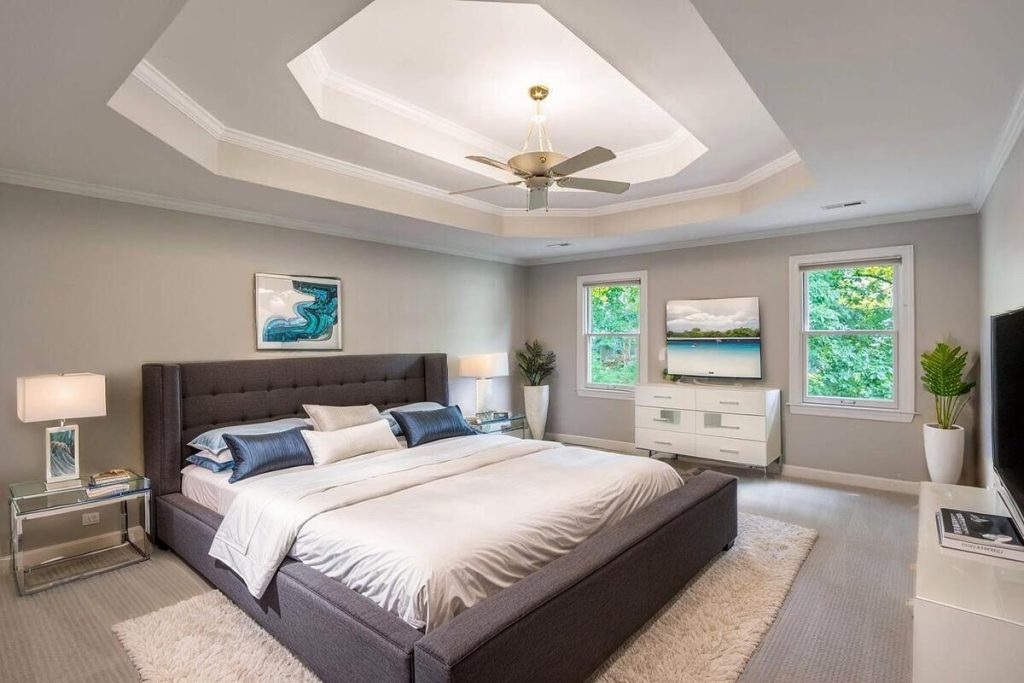
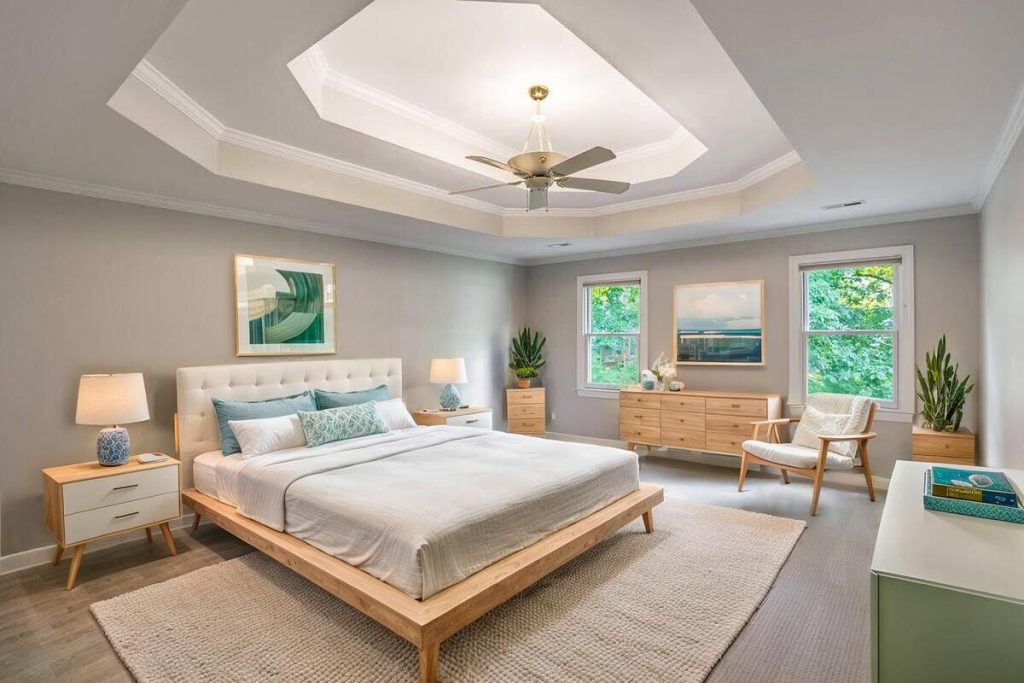
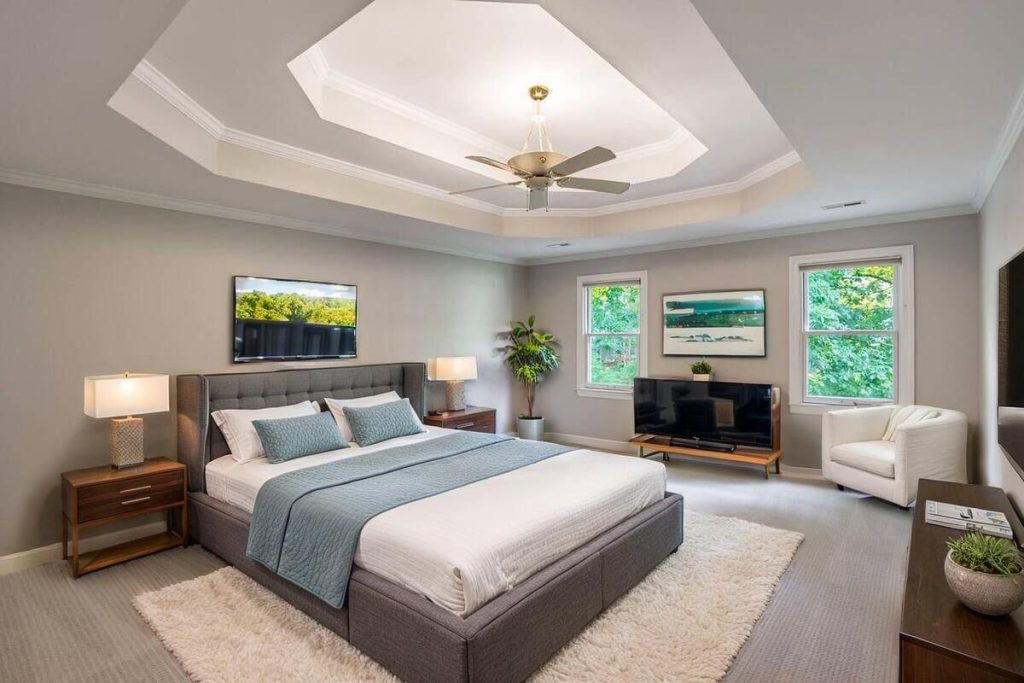
Not every room deserves equal attention. NAR’s staging research found buyers care most about the living room (37%), followed by the primary bedroom (34%) and the kitchen (23%). Stage those first and you’ve covered most of what drives a buyer’s reaction.
Is Virtual Staging Worth the Cost?
For most vacant listings, yes, and the math isn’t close. Virtual staging typically runs $5 to a few dollars per photo, while NAR puts the median cost of a traditional staging service at $1,500 per home, with full physical staging on larger properties often running several thousand dollars plus monthly furniture rental.
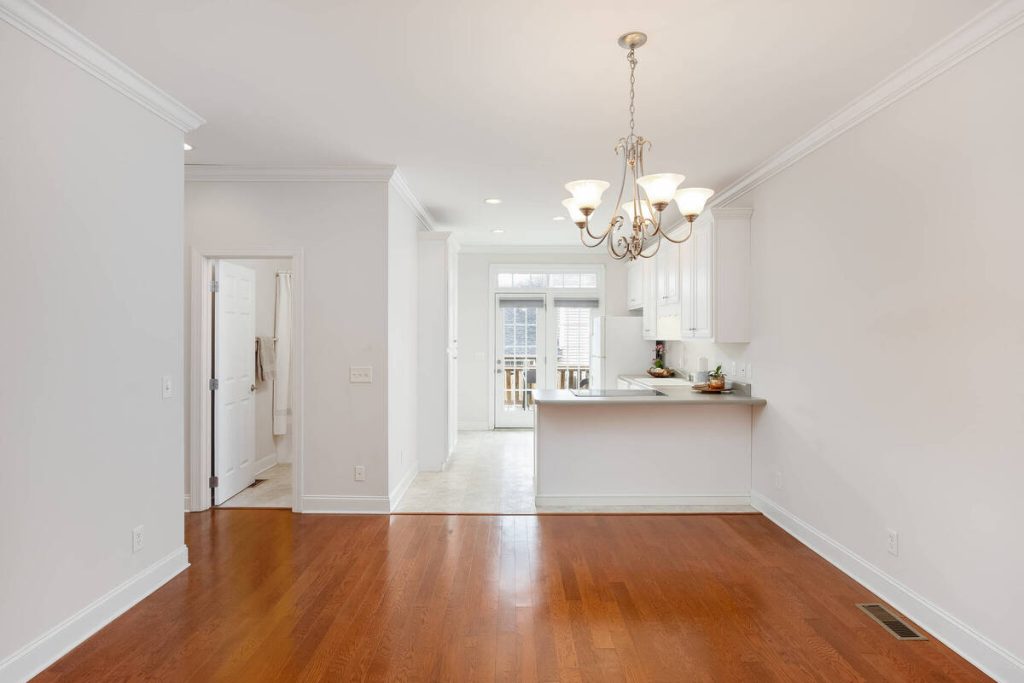
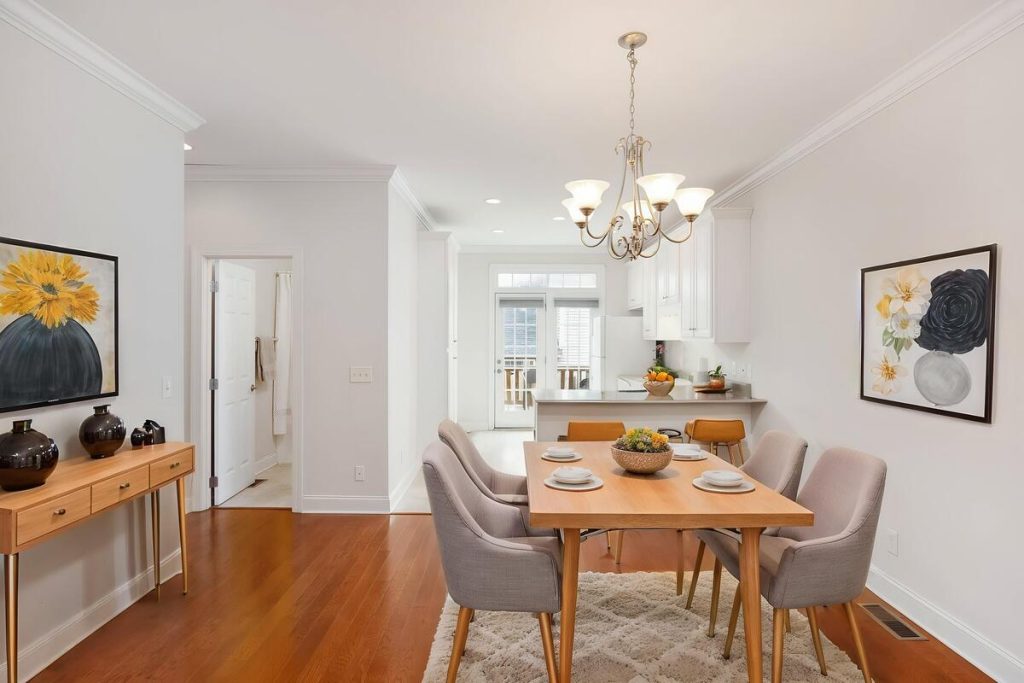
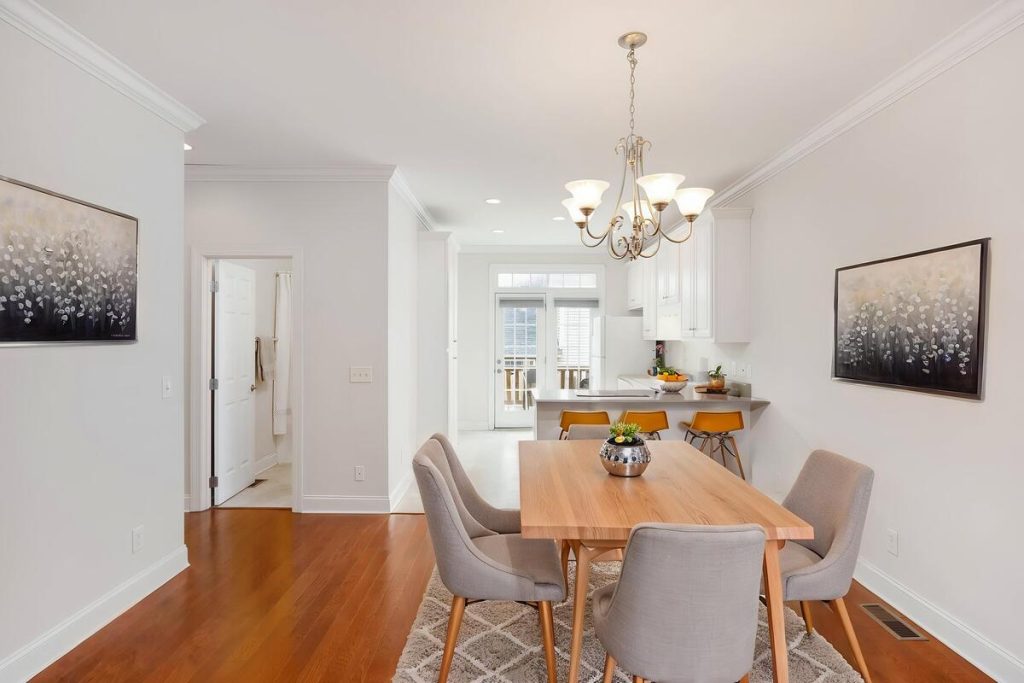
The results hold up on the other side of the ledger. In NAR’s 2025 report, 29% of sellers’ agents saw staging increase the dollar value offered by 1% to 10%, and 49% said it reduced time on market.
For virtual staging specifically, Florida Realtors cites research showing virtually staged listings draw about 40% more views and 31% more inquiries than unstaged ones.4 The same article points to Real Estate Staging Association findings that homes staged before listing spent 73% less time on the market.
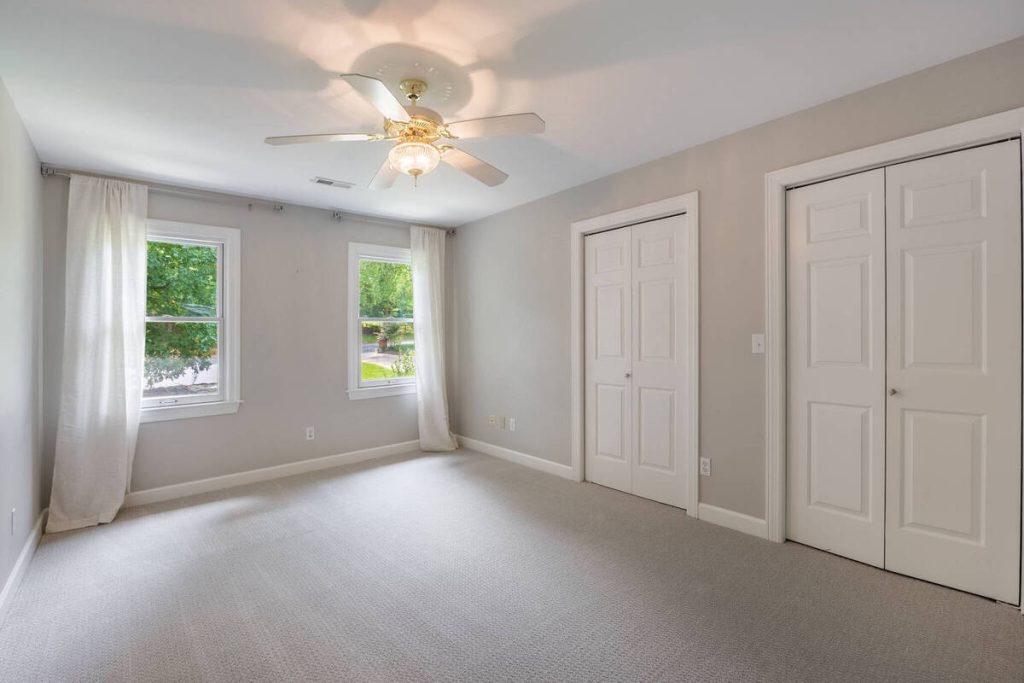
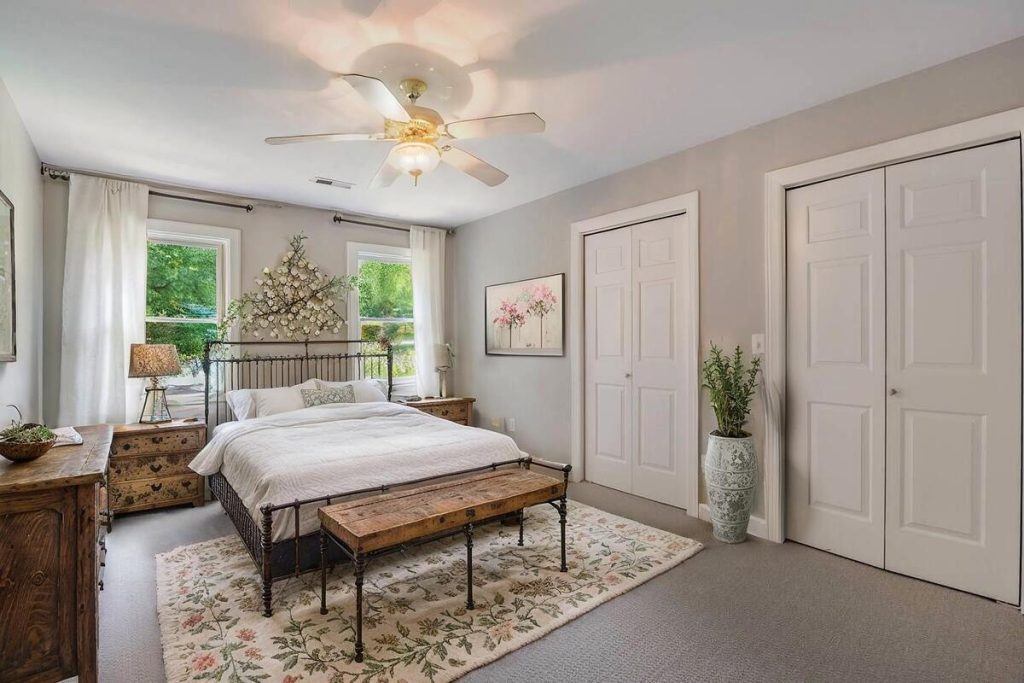
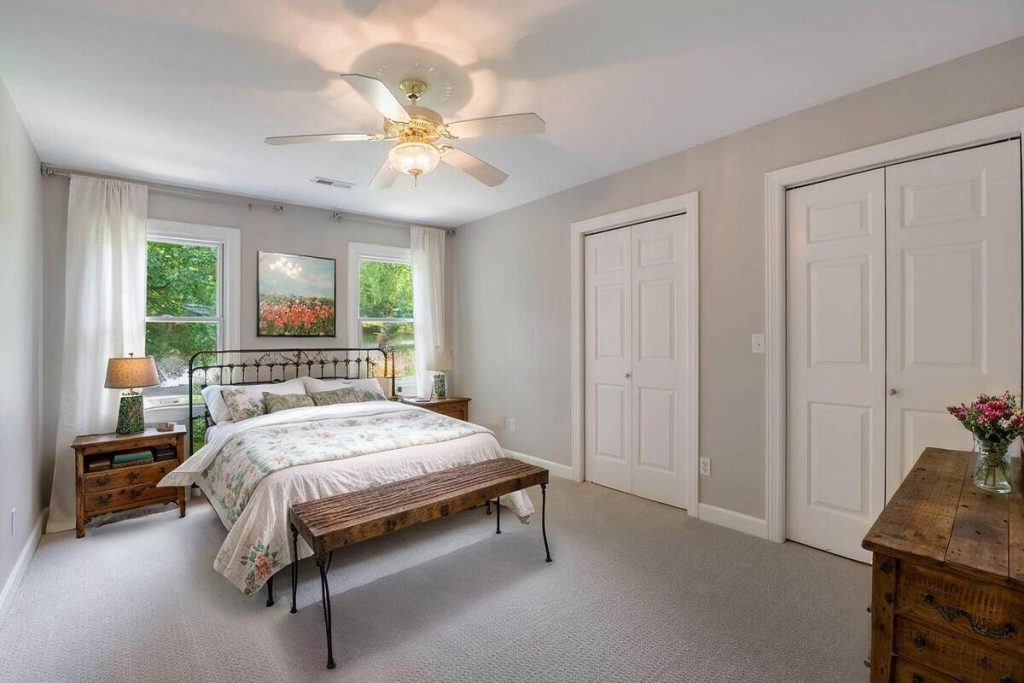
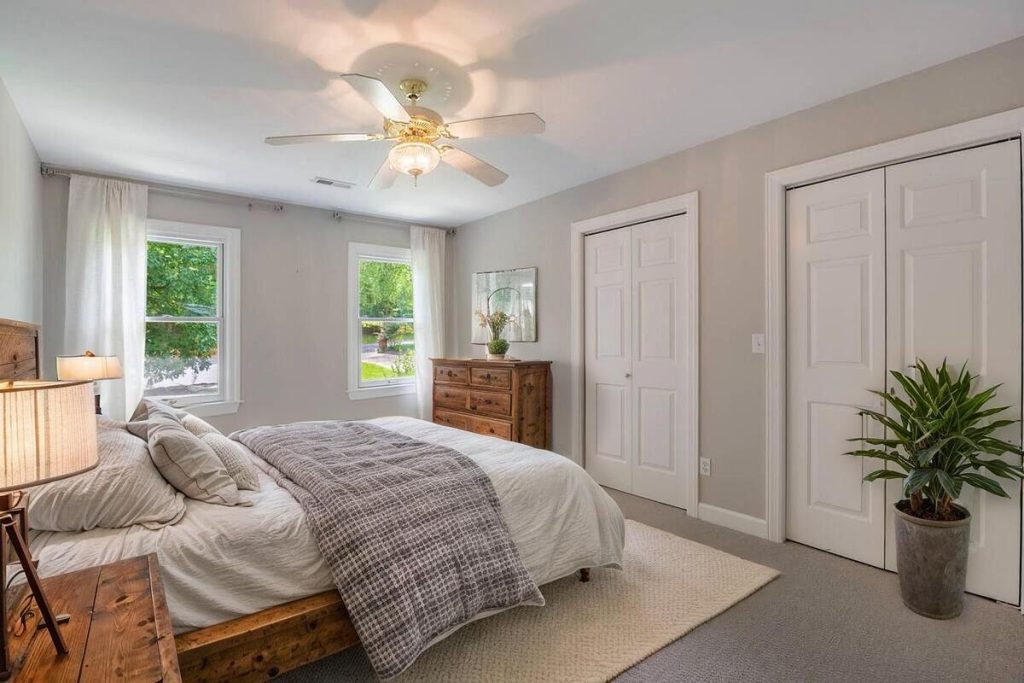
For an agent, that changes the calculus entirely. Staging stops being something you reserve for the tough listings and becomes a standard step in the listing presentation, at a cost closer to a set of business cards than a furniture rental contract..
How to Get the Best Results from Virtual Staging Software
A few habits separate staged images that sell from staged images that look staged:
- Start with sharp, well-lit photos. The software can only work with what you give it. Shoot straight-on at chest height, brighten the room, and fix exposure or color issues first. AI photo editing handles that cleanup quickly and cheaply.
- Stage the rooms buyers weigh most. Living room, primary bedroom, kitchen. Skip the garage.
- Keep the furnishings honest. Match the style and quality to the home’s price point. Luxury furniture in a starter home sets up a disappointment at the showing.
- Disclose every staged image. Most MLSs require virtually staged photos to be labeled and paired with the original, and Florida Realtors’ guidance on virtual staging warns against edits that hide flaws or change the structure. Transparency protects your credibility along with your compliance record.
- Put the images to work everywhere. Staged photos perform beyond the MLS, in social ads, email, and on a single property website built around the listing.
Quick & Easy
AI Virtual Staging
Interiors. Landscapes. Commercial. Virtually transform any space.
Staging Every Listing Without Blowing the Budget
Once staging costs a few dollars per image instead of a few thousand per home, there’s little reason to send any listing to the market empty.
That’s the gap AgentUp’s AI virtual staging is built to close. Upload your listing photos, pick a furniture style, and get market-ready staged images back for $5 per image, with AI photo editing available from $0.75 per image in the same workflow. The staged photos flow straight into your property website, flyers, and virtual tour, so one upload covers the whole listing presentation.
If you have a vacant listing on the books right now, try staging it virtually and see how differently buyers respond to a room they can picture themselves in.
References: