


An empty room is honest to a fault. Buyers scrolling through listing photos see bare floors and blank walls, and they struggle to tell whether the primary bedroom fits a king bed or how furniture would sit in an oddly shaped living room. The listing gets skipped, and the property sits.
Virtual staging solutions fix this without a single moving truck. They add realistic furniture and decor to your listing images digitally, at a fraction of what physical staging costs.
This guide covers how virtual staging works, what it costs compared to traditional staging, what to look for in a provider, and how to get results that actually help a vacant listing sell.
What Are Virtual Staging Solutions?
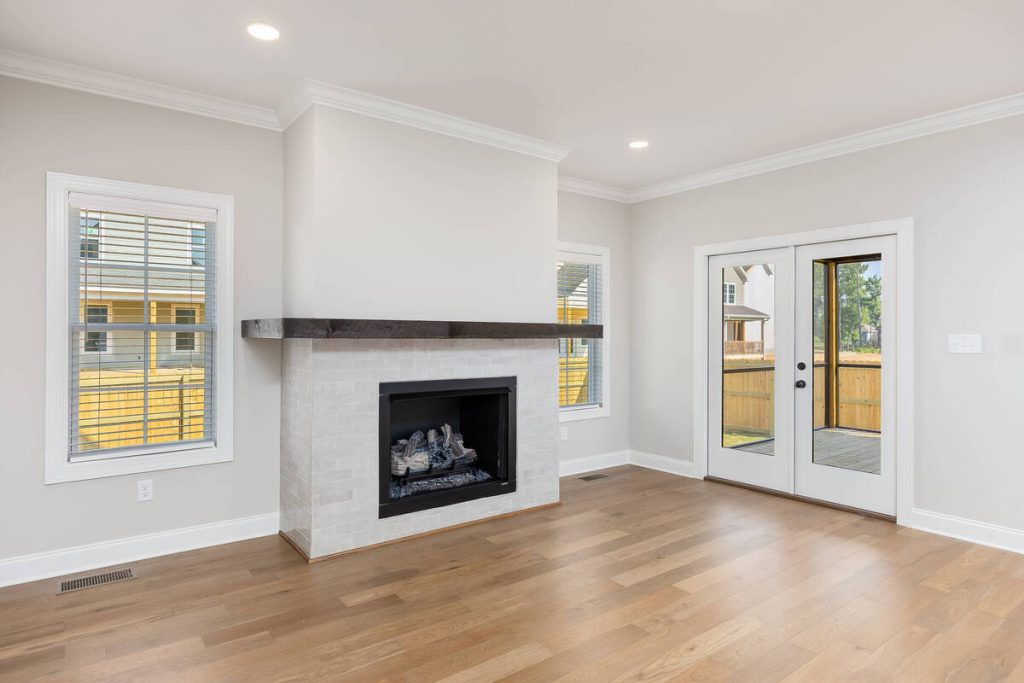
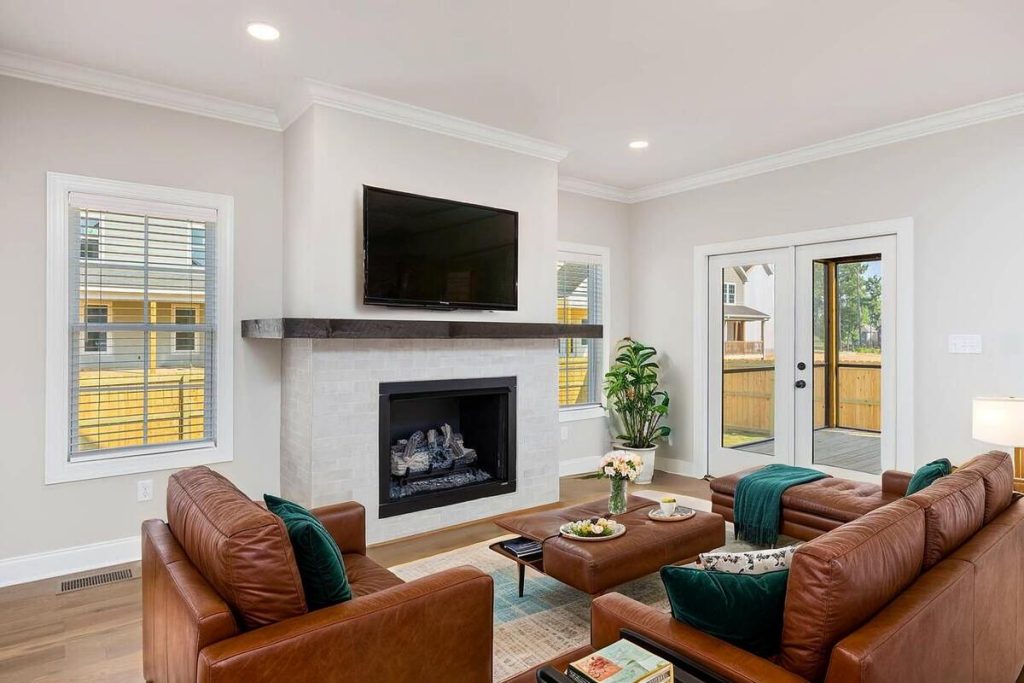
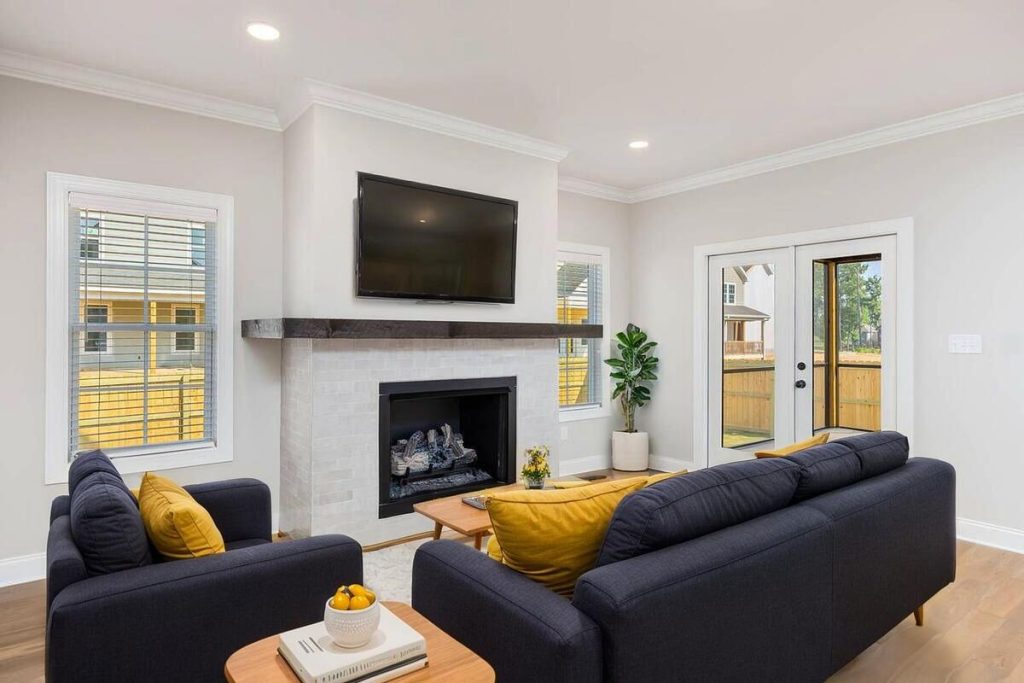
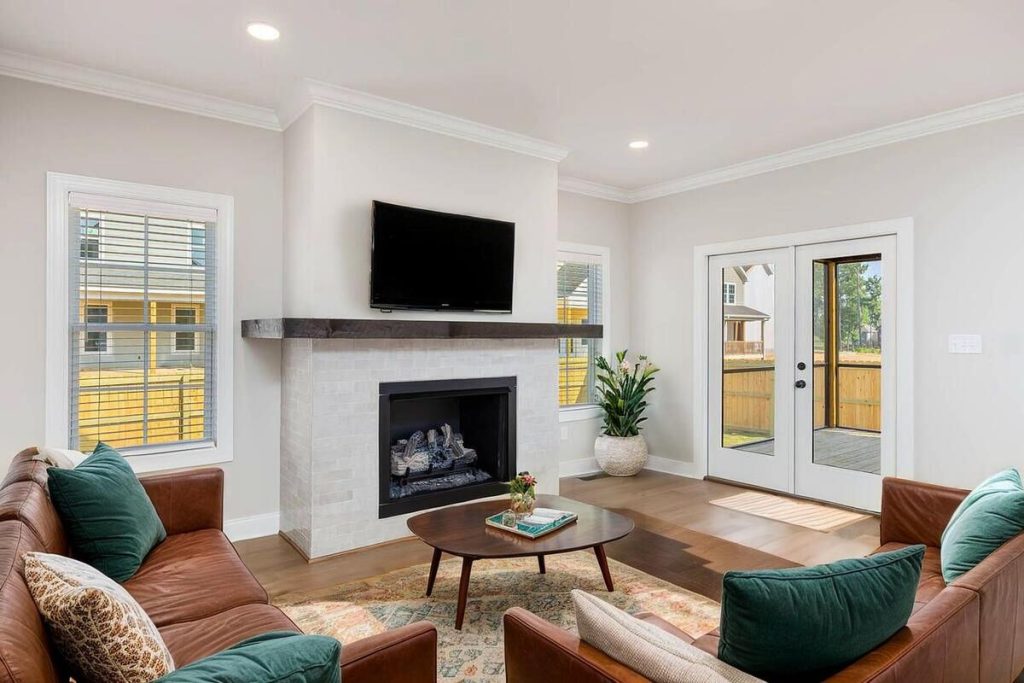
Virtual staging solutions are services or software that digitally furnish photos of empty rooms. Instead of renting furniture and hiring a staging crew, you upload photos of the vacant space and receive images showing the same rooms fully furnished and decorated.
There are two main approaches. Designer-based services have a human editor place furniture in each photo, which typically takes one to two business days. AI-powered virtual staging generates the furnished image automatically, often in minutes.
Both produce photos for your MLS listing, single property website, and marketing materials. The furniture only exists in the image, so buyers touring in person will still see an empty home. That trade-off matters, and we’ll get to it below.
Why Vacant Listings Are Harder to Sell
Buyers have trouble picturing themselves in an empty space. According to the National Association of Realtors, 83% of buyers’ agents said staging made it easier for buyers to envision a property as their future home.1 Without furniture, rooms read smaller than they are, and awkward layouts raise questions instead of answering them.

The photos carry more weight than ever because that first walkthrough happens on a screen. 96% of buyers begin their home search online, per REsimpli’s marketing research.2 If your vacant listing’s photos don’t stop the scroll, the showing never happens.
Staging also affects outcomes, not just impressions. In the same NAR report, 49% of sellers’ agents said staging reduced a home’s time on market. And vacant properties are where staging earns its keep: over 41% of top agents believe vacant homes benefit the most from staging, according to research compiled by The Zebra.3
Quick & Easy
AI Virtual Staging
Interiors. Landscapes. Commercial. Virtually transform any space.

Virtual Staging vs. Traditional Staging Costs
The cost gap is wide. NAR’s 2025 Profile of Home Staging puts the median cost of a professional staging service at $1,500 per listing, and that’s before you account for monthly furniture rental on a home that sits.4
Virtual staging runs per photo instead. Research found per-image pricing starting around $16, with AI-based tools often costing less. The Zebra’s research pegs the total savings at up to 97% compared to physical staging.
| Traditional Staging | Virtual Staging | |
| Typical cost | $1,500+ per listing (median) | $5 per photo |
| Turnaround | Days to weeks | Minutes to 48 hours |
| Style changes | New rental contract | Restage the same photo |
| In-person showings | Furnished | Empty |
One caveat: virtual staging only improves the photos. Buyers who tour the home will walk into empty rooms, so set that expectation early. You’re also required to disclose virtually staged images in most MLSs. Label them clearly and keep the original photos available. Misleading buyers isn’t just an ethics problem; it kills trust at the showing.
What Should You Look For in a Virtual Staging Solution?
The right provider comes down to six things: realism, turnaround, style range, revisions, price, and disclosure support. Here’s how to evaluate each.
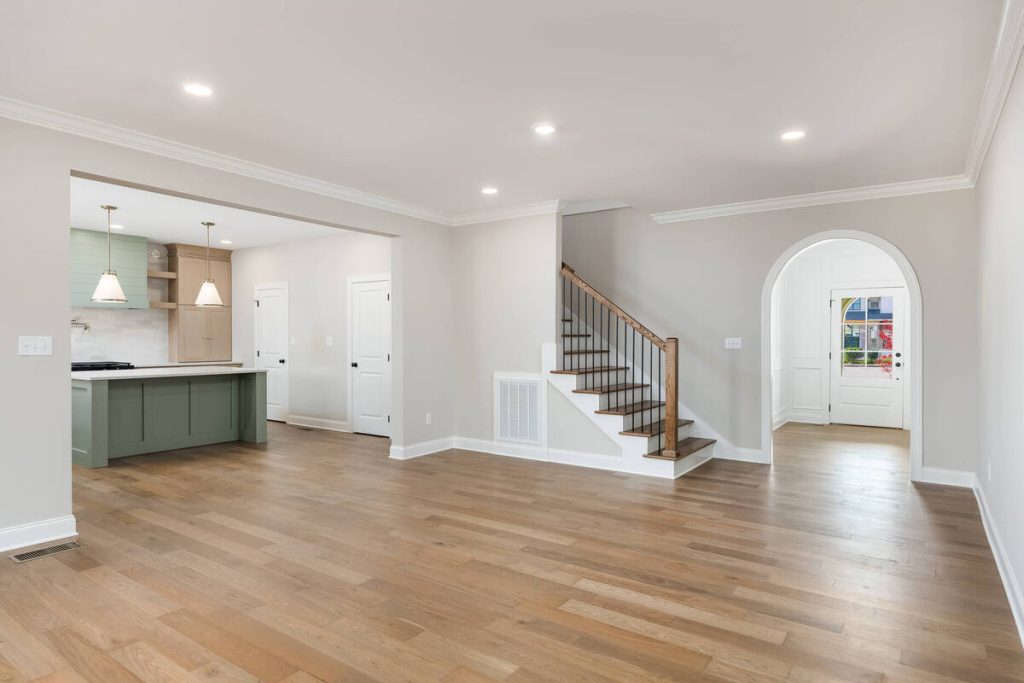
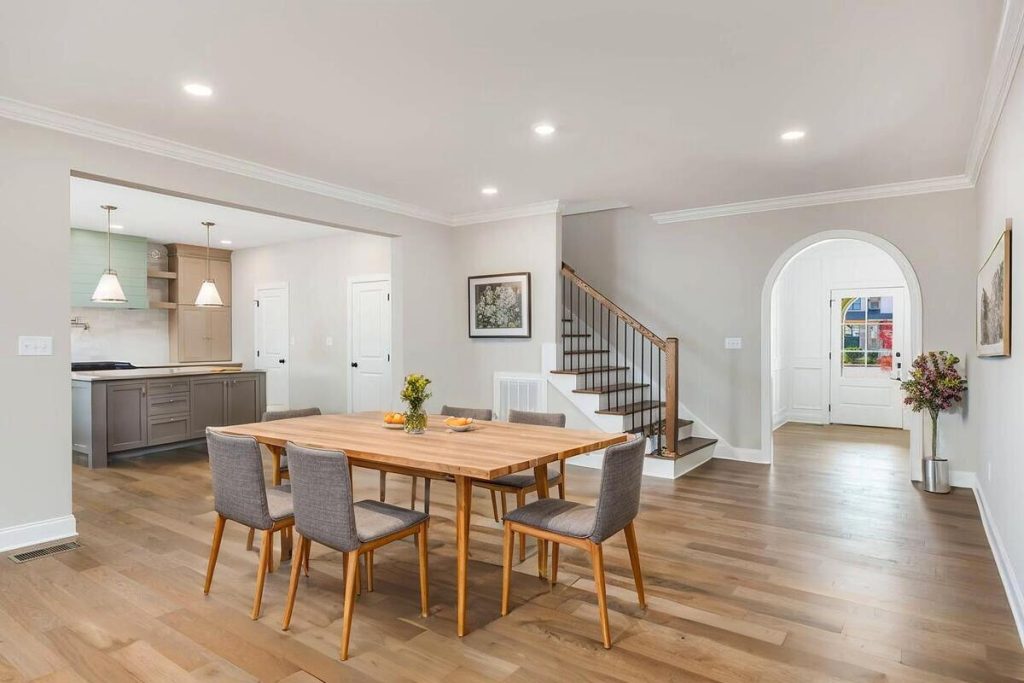
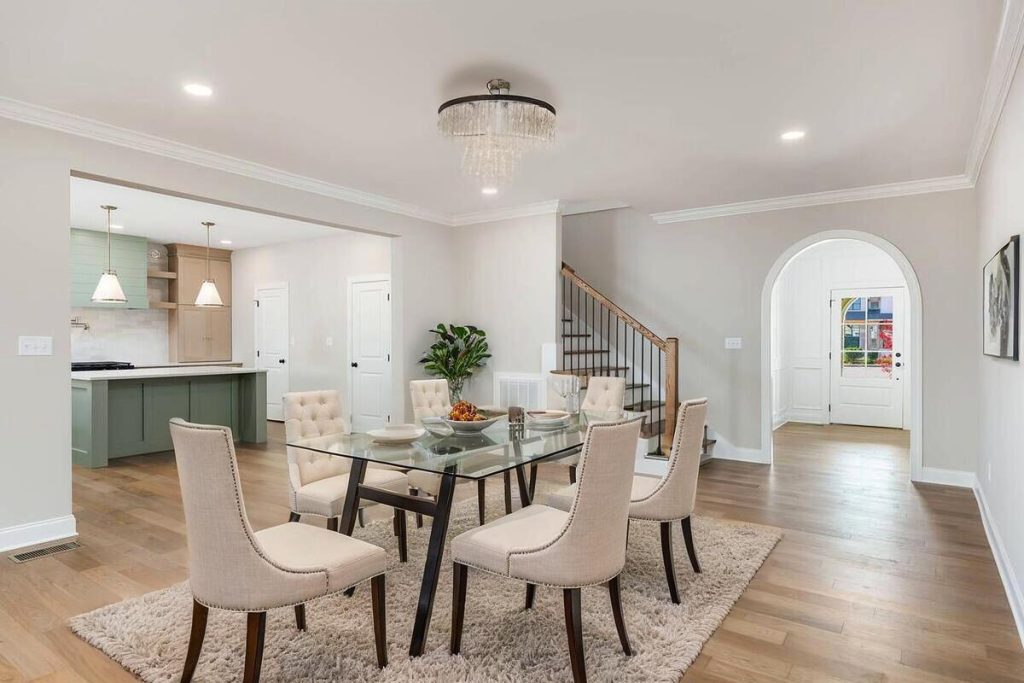
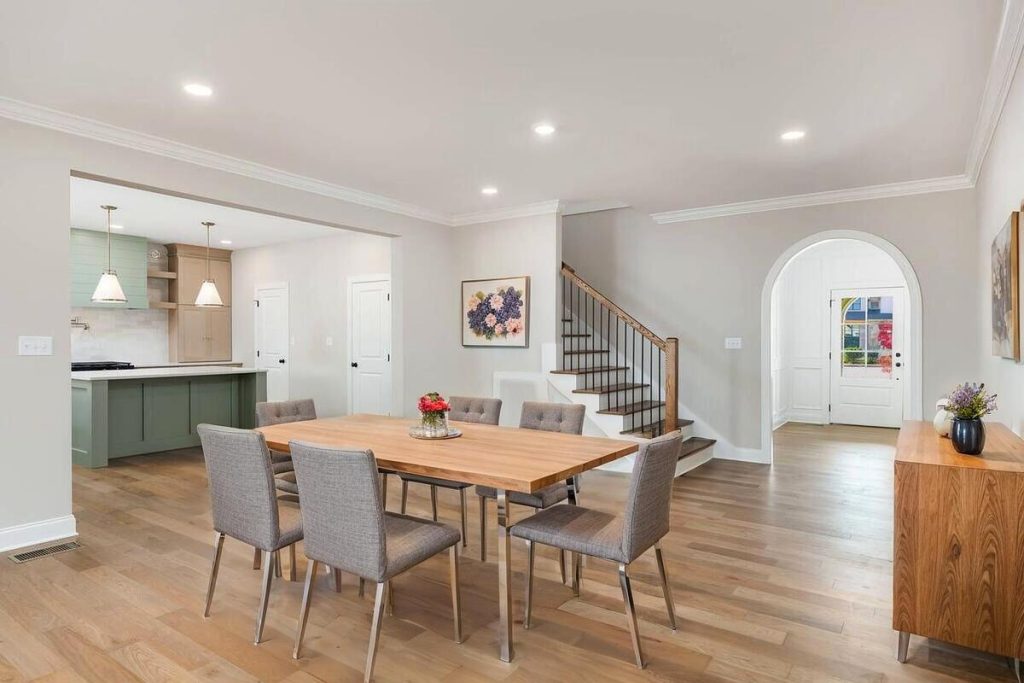
- Realism: Furniture should match the room’s lighting, shadows, and perspective. Ask for sample images of rooms similar to your listings before you commit.
- Turnaround: If you shoot on Tuesday and the listing goes live Thursday, a 3-day queue doesn’t work. Minutes or same-day is now a reasonable expectation.
- Style range: A farmhouse listing staged in glossy modern furniture confuses buyers. Look for a library that covers the styles your market actually buys.
- Revisions: Sometimes the sofa is wrong. Check whether restaging or swapping styles costs extra.
- Price per image: Compare per-photo pricing against how many listings you stage per month. Heavy users may do better on a subscription.
- Disclosure support: Watermarks or labeling options make MLS compliance easier.
Run any provider through that list and the weak options fall away quickly.
How AgentUp’s AI Virtual Staging Works
AgentUp’s virtual staging uses AI to furnish vacant listing photos in minutes. You upload the photo, pick a room type and furniture style, and download the staged image. No back-and-forth with a design team, no waiting until tomorrow.
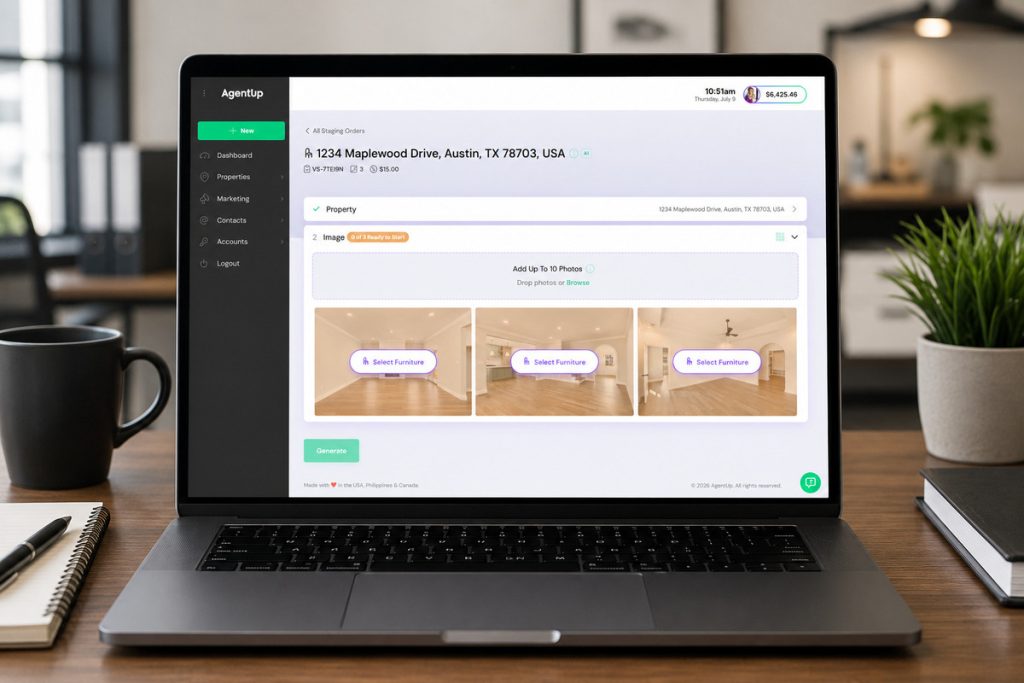
The furniture library covers styles from modern and farmhouse to coastal and luxury, across living rooms, bedrooms, kitchens, offices, and outdoor spaces. If the first result isn’t right for the listing, you can restage the same photo in a different style.
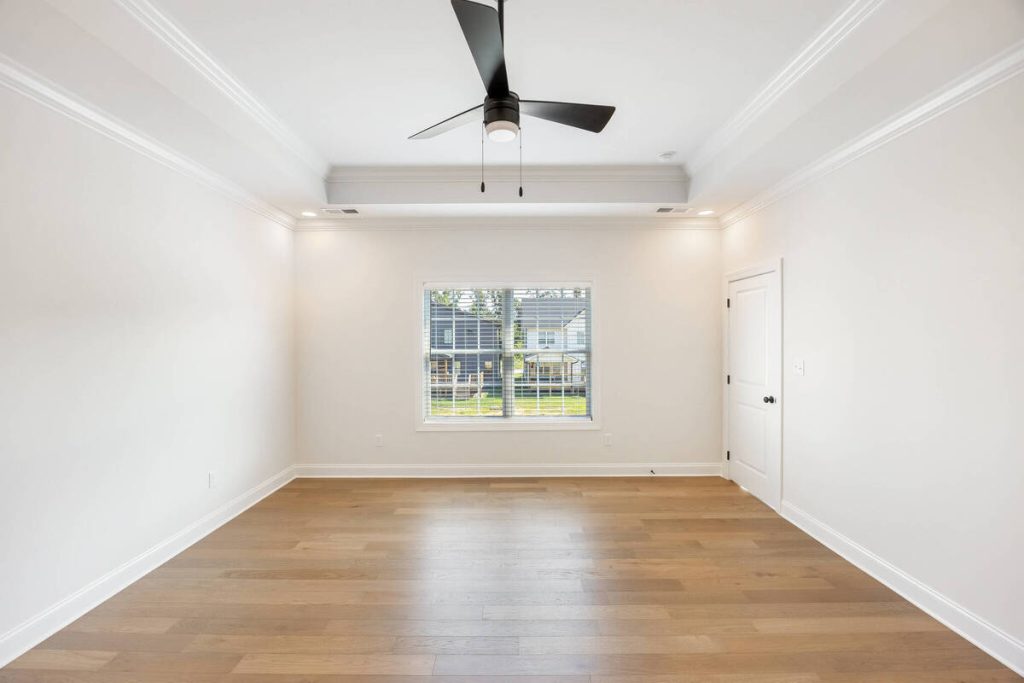
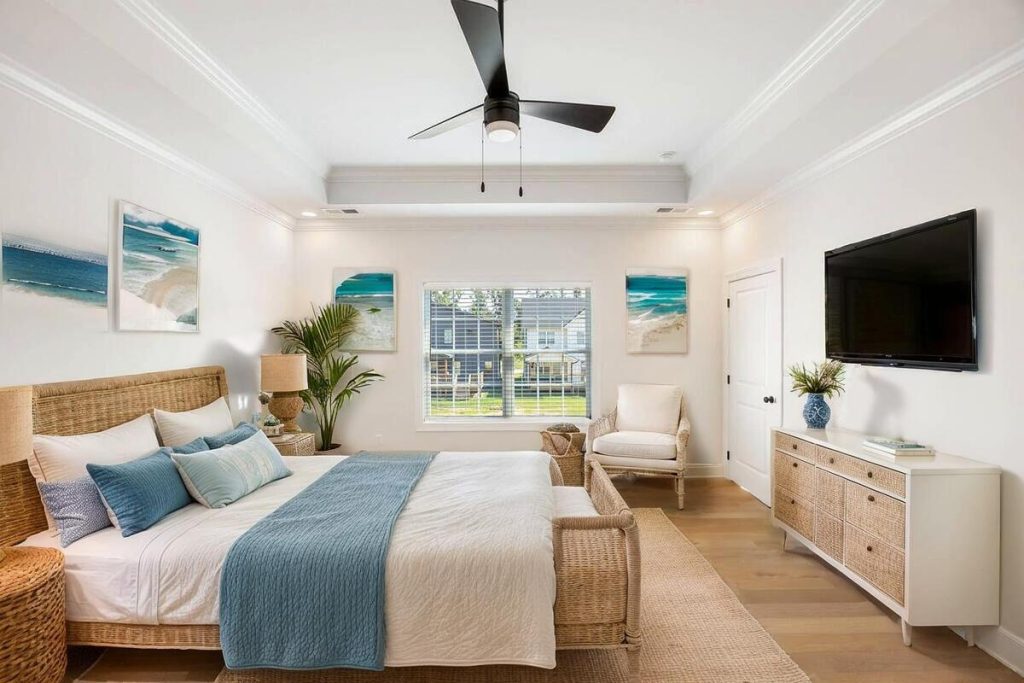
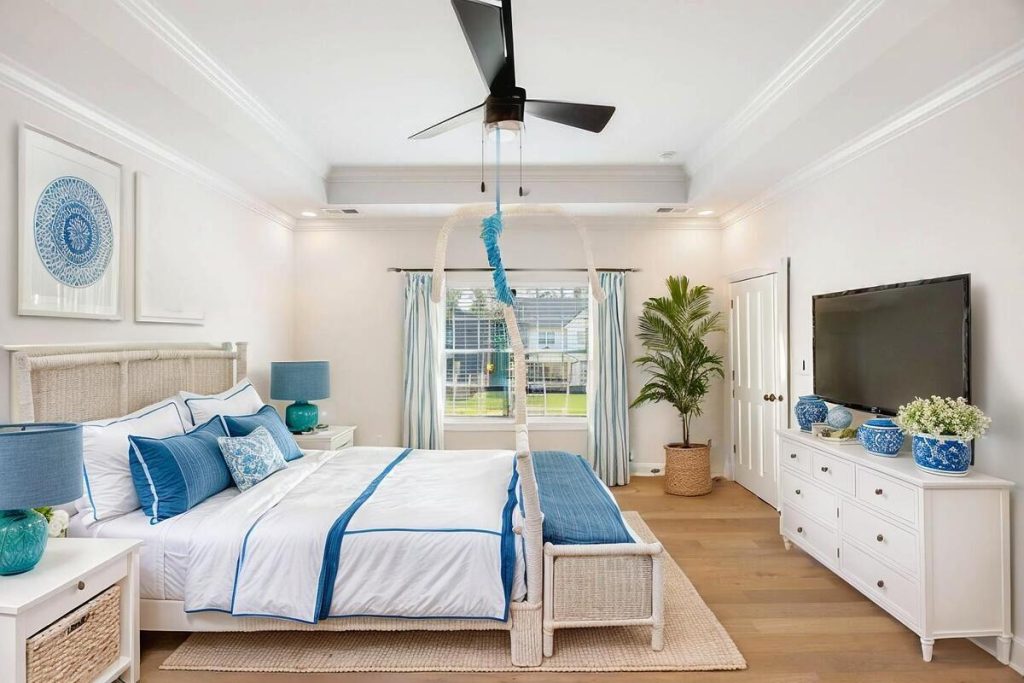
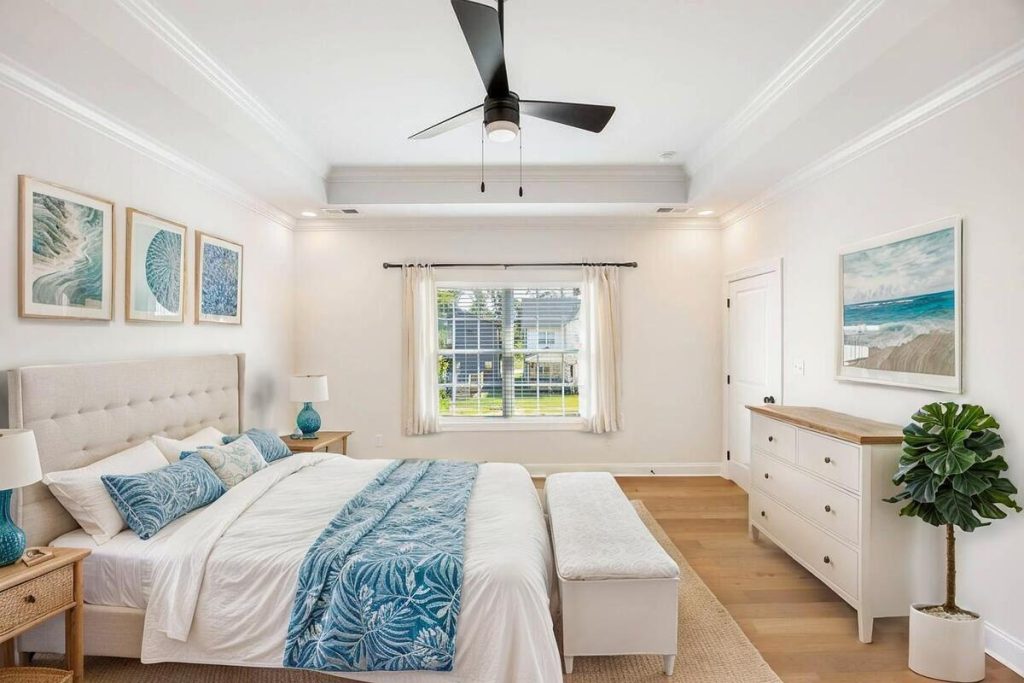
Staged photos drop straight into the rest of your listing presentation. Pair them with a single property website to give the listing its own home online, or use AgentUp’s photo editing to fix lighting and sky before staging. You can browse before-and-after examples to judge the realism yourself, and pricing is per image, so you only pay for what you stage.
Tips for Getting the Best Results from Virtual Staging
Good virtual staging starts with good photos. Shoot wide, keep the camera level at chest height, and make sure the room is well lit. The AI can add a sofa; it can’t fix a dark, crooked photo.
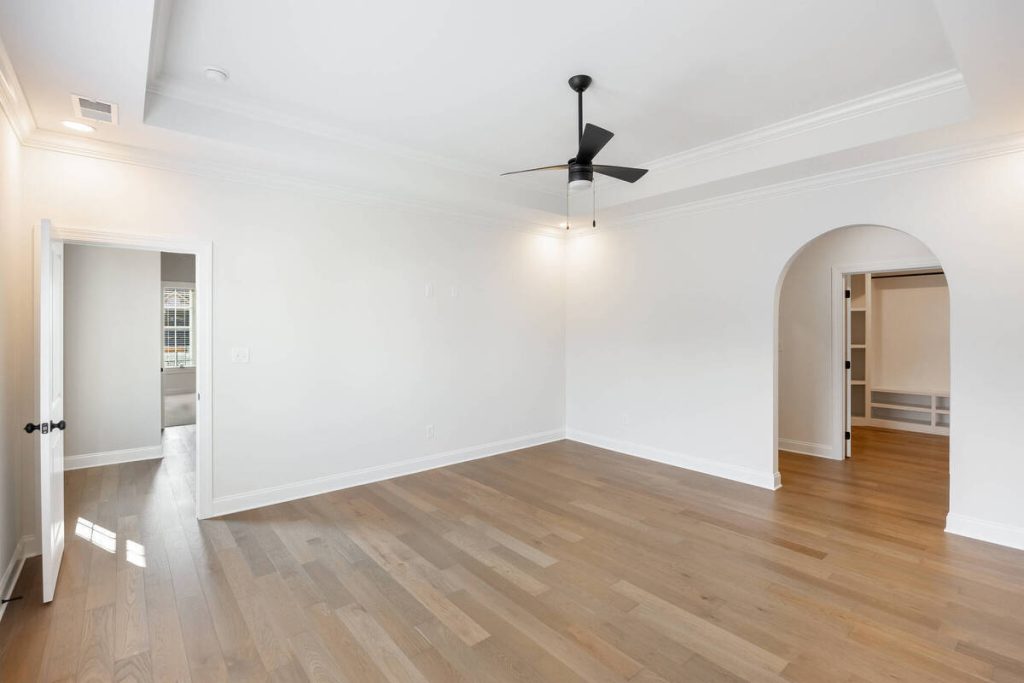
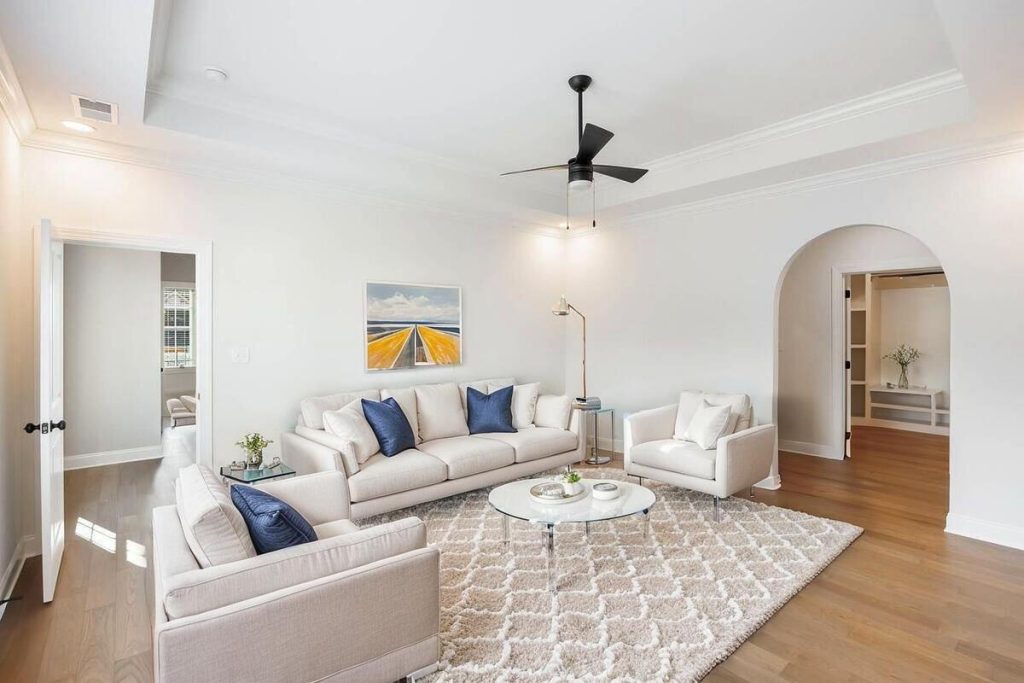
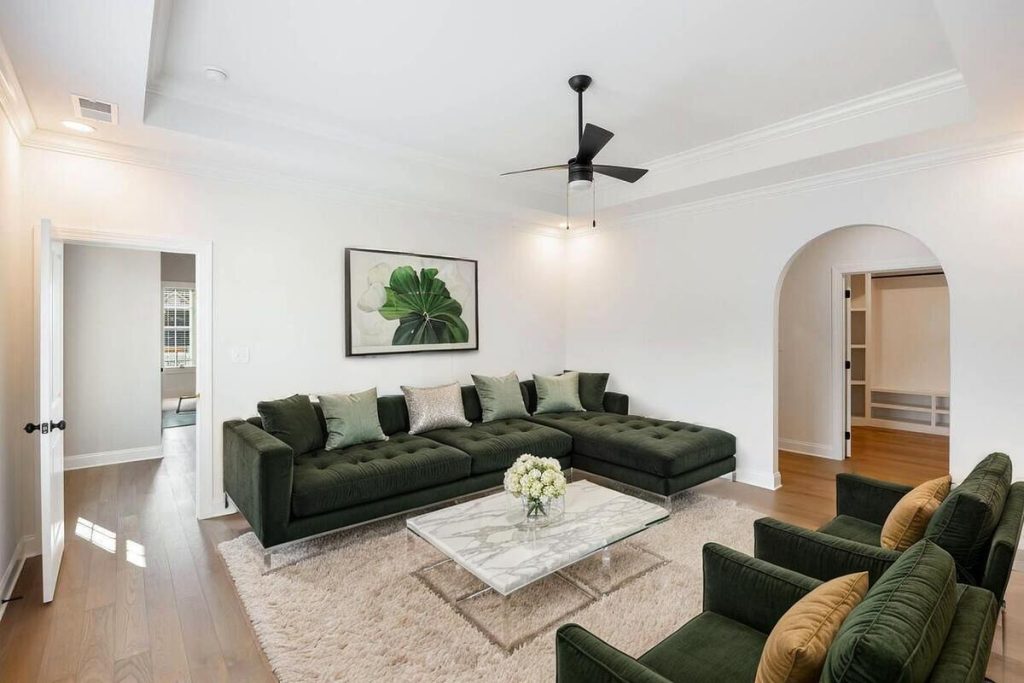
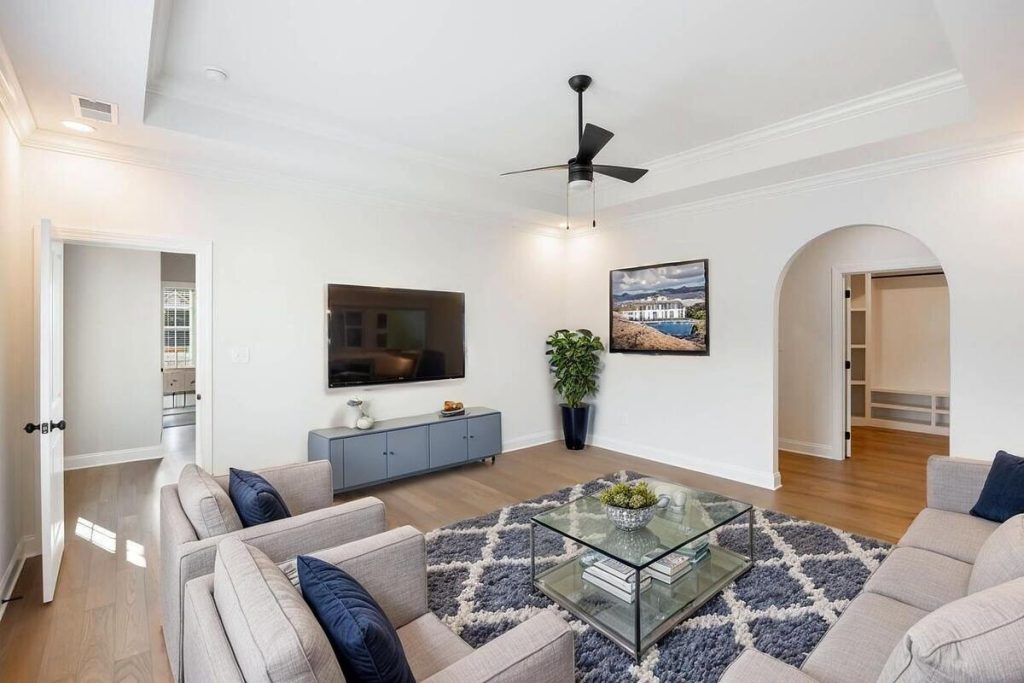
Stage the rooms buyers care about most. NAR’s data shows sellers’ agents stage the living room (91%) and primary bedroom (83%) more than any other rooms, and buyers rank those same spaces as the most important. Cover those two plus the kitchen before spending on secondary rooms.
Match the furniture style to your likely buyer, not your own taste. A downtown condo and a suburban four-bedroom attract different people, and the staging should reflect that.
And disclose every staged image when using virtual staging solutions. It protects you with the MLS and keeps buyer trust intact when they tour the property.
Give Your Vacant Listings a Fair Shot
Vacant listings don’t have to be photographed like empty boxes. Virtual staging gets them market-ready for less than the cost of a nice dinner, and AI turnaround means you can have staged photos before the sign goes in the yard.
Quick & Easy
AI Virtual Staging
Interiors. Landscapes. Commercial. Virtually transform any space.
See what your listings could look like at AgentUp’s virtual staging examples, or stage your first photo and judge the results yourself.
References: